
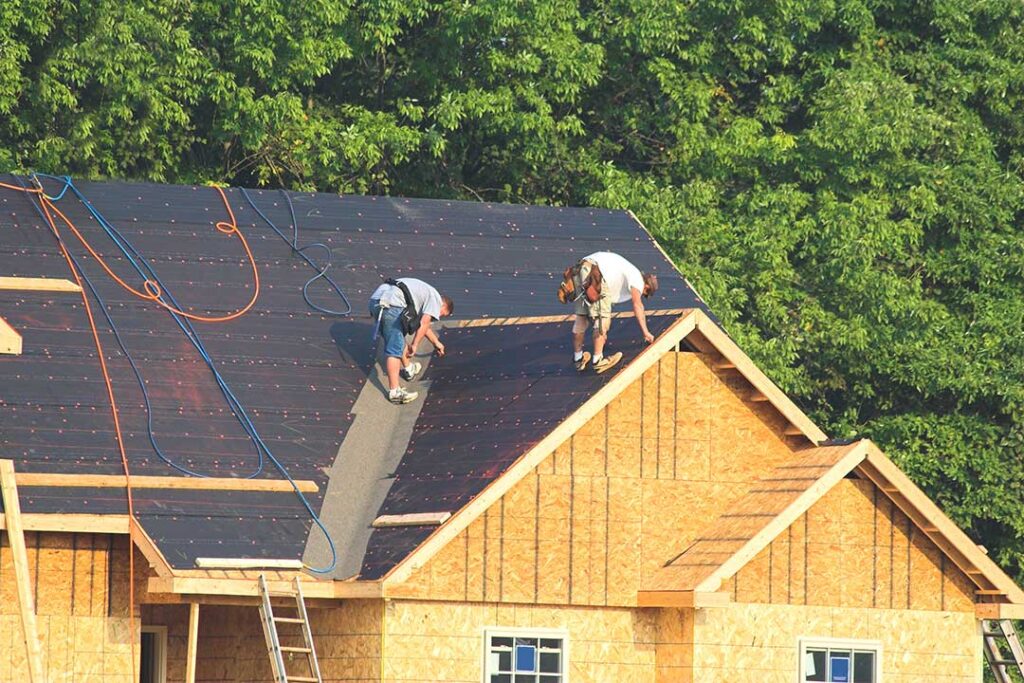
Roofing materials differ in cost, service life, weight, maintenance needs, appearance, and performance in snow, ice, wind, and summer heat. The right choice for a home in Greene, NY depends not only on the material itself, but also on roof slope, attic ventilation, structural capacity, nearby trees, and the quality of installation.
Which roofing material is most common for residential homes?
Asphalt shingles are the most common residential roofing material because they are relatively affordable, widely available, and suitable for many roof designs. Metal, slate, wood, and synthetic products can offer longer service lives or distinctive appearances, but they may require a larger initial investment or more specialized installation.
No single roofing material is best for every house. A simple roof with a moderate slope may accommodate several options, while a low-slope roof, complex roofline, or older structure can limit the practical choices.
What are the advantages and disadvantages of asphalt shingles?
Asphalt shingles offer a useful balance of affordability, appearance, and ease of repair. Fiberglass-based shingles are available in basic three-tab styles and heavier architectural styles with more dimensional texture.
Advantages include:
- Lower initial cost than many other roofing materials
- Compatibility with many common residential roof designs
- Straightforward replacement of damaged sections
- Wide selection of colors and profiles
- Relatively low structural weight
- Familiar installation and repair methods
Potential disadvantages include:
- Shorter service life than metal, slate, or some synthetic products
- Granule loss, cracking, or curling can develop with age
- Ice, wind, fallen branches, and repeated freeze-thaw cycles can shorten performance
- Dark shingles may absorb more summer heat
- Poor attic ventilation can contribute to premature deterioration
Architectural shingles are generally heavier and more durable than basic three-tab shingles, but the product label alone does not determine how long a roof will last. Installation details, roof ventilation, flashing, and exposure to weather are equally significant.
Is a metal roof a good choice in a snowy climate?
Metal roofing can perform well in areas that experience snow, ice, strong temperature changes, and occasional high winds. Properly installed metal panels shed snow readily, although that can create a safety concern over entrances, walkways, decks, or lower roof sections.
Benefits of metal roofing may include:
- Long service life
- Good resistance to wind, moisture, insects, and fire
- Lower risk of granule loss than asphalt shingles
- Lightweight construction compared with slate or concrete tile
- Reflective finishes that can reduce heat gain during sunny weather
- Compatibility with many traditional and modern home styles
Drawbacks may include:
- Higher upfront cost
- Noise from rain or hail if the roof assembly is not properly designed
- Potential for dents from large hail or falling branches
- Expansion and contraction that must be handled with suitable fasteners and details
- More visible scratches, oil-canning, or color changes on some panel types
- Snow sliding suddenly from steep sections
Metal roofing is not automatically maintenance-free. Fasteners, seams, penetrations, valleys, and areas where dissimilar metals meet still need periodic attention. Snow guards may be useful in areas where sliding snow could endanger people or damage property.
What should homeowners know about slate roofing?
Natural slate is a durable stone roofing material that can last for many decades when the roof structure, fasteners, and installation are appropriate. It is especially suited to homes where long service life and historic appearance are priorities.
Advantages include:
- Exceptional durability
- Strong resistance to fire, rot, and insects
- Distinctive natural appearance
- Minimal fading compared with many manufactured products
- Potentially very long service life
Disadvantages include:
- High material and installation cost
- Heavy weight that may exceed the capacity of some existing roofs
- Fragility when walked on improperly
- Need for experienced repair methods
- Difficulty matching older slate during repairs
- More complicated replacement of flashing and underlayment
A slate roof should not be selected based on appearance alone. The structure must be evaluated for the added weight, and repairs require care because breaking individual slates can create larger problems.
Are wood shingles or shakes practical?
Wood shingles and shakes can complement older homes, cabins, and houses with a natural architectural style. Cedar is commonly associated with this type of roof, but performance depends heavily on design, ventilation, spacing, exposure, and maintenance.
Wood roofing can provide:
- Natural texture and color
- Good visual compatibility with traditional homes
- Some insulating value
- A renewable material option when responsibly sourced
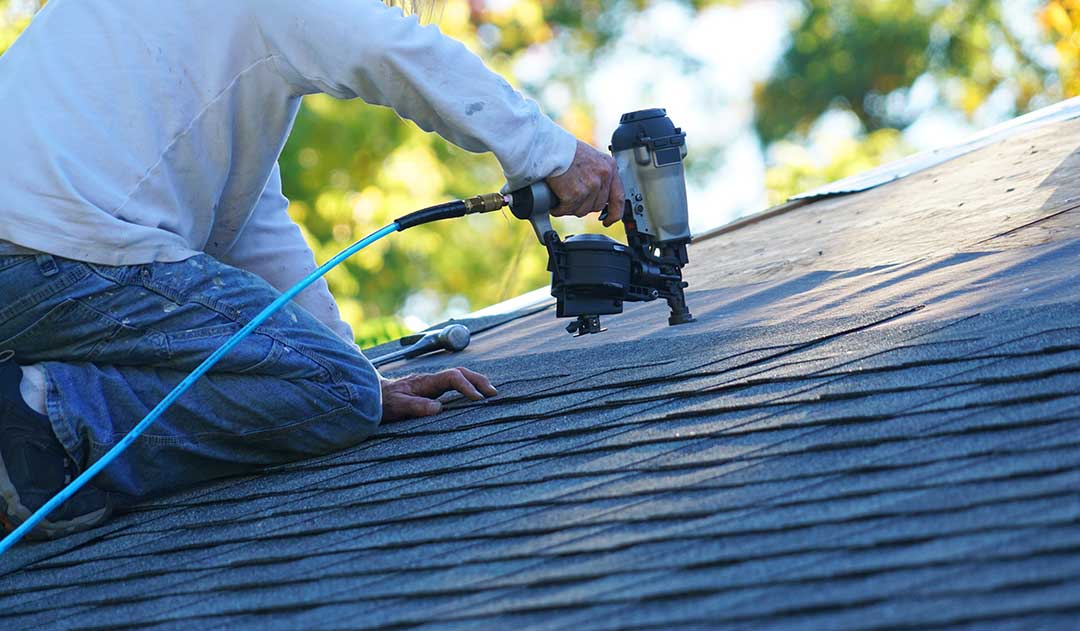
The concerns are equally important. Wood can absorb moisture, support moss or mildew, split during weather changes, and decay where leaves or debris remain trapped. Fire resistance varies by product and roof assembly. In shaded areas surrounded by trees, maintenance demands may be greater than homeowners expect.
How do synthetic roofing materials compare?
Synthetic slate and composite shingles are manufactured to imitate slate, wood, or other traditional materials. They are often lighter than natural slate and may be easier to handle during installation.
Their possible advantages include:
- Lower weight than natural stone
- Consistent shape and color
- Resistance to rot and insects
- Easier handling and replacement
- Traditional appearance without the full weight of slate
The disadvantages include variable product quality, a less natural appearance on some roofs, and uncertainty about long-term performance for newer products. Repairs can also be complicated if the original product is discontinued or difficult to match.
What about clay or concrete tile?
Tile roofing is durable, fire-resistant, and visually distinctive. Concrete tile is generally more affordable than clay, while clay can offer excellent color stability and a long service life.
Tile is less common on many homes in this region because of its weight and the need for suitable roof framing. It can also be vulnerable to cracking from impact, improper walking, or severe temperature changes. The roof structure, slope, underlayment, and flashing details must all be appropriate before tile is considered.
Which material handles Greene’s weather best?
For local homes, the most important weather-related factors are snow accumulation, ice formation, freeze-thaw cycles, wind, summer heat, and moisture from shade or nearby trees. New York roofing requirements include provisions for structural and snow-related loads, but the correct design still depends on the specific building and roof shape.
Useful questions include:
- Can the roof structure support the selected material?
- Does the slope allow water and snow to drain effectively?
- Are valleys, chimneys, skylights, and wall intersections properly flashed?
- Is the attic adequately insulated and ventilated?
- Could sliding snow reach a doorway, deck, vehicle, or walkway?
- Are gutters and downspouts positioned to manage runoff?
- Will nearby trees drop branches or hold moisture against the roof?
Does a longer-lasting roof always cost less?
Not necessarily. A roof with a longer expected service life may cost more initially, require stronger framing, or involve more expensive repairs. A less costly material may be a sensible choice for a modest home, a limited renovation budget, or a property likely to change ownership before the longest service life is reached.
The fairest comparison considers total ownership factors:
- Initial material and installation cost
- Expected service life
- Repair difficulty
- Maintenance requirements
- Structural upgrades
- Energy performance
- Availability of matching replacement materials
- Compatibility with the existing home
For many households, asphalt shingles remain the practical default. Metal may make sense where durability and snow shedding are priorities. Slate, tile, wood, and synthetic products are more specialized choices that require closer attention to structure, appearance, maintenance, and long-term repair needs.
The most reliable decision comes from comparing the entire roof assembly—not just the visible covering. Underlayment, flashing, ventilation, insulation, drainage, and workmanship often determine whether a roofing material performs well through many seasons.
