
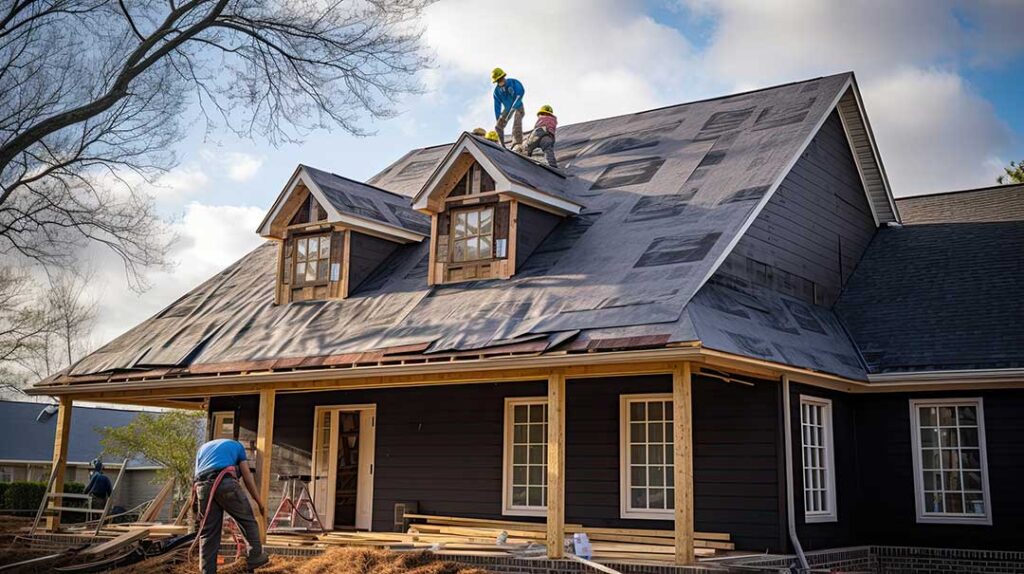
A roof is one of the most important parts of a home insurance policy, but coverage depends on what caused the damage, the condition of the roof, the policy language, and the deductible. A homeowner’s policy is generally designed for sudden, unexpected losses—not routine maintenance or gradual deterioration.
For residents in Greene, NY, winter weather, strong wind, ice, snow, heavy rain, and changing temperatures can all affect roofing materials. Understanding how insurance treats these conditions can help prevent surprises after a storm.
Does homeowners insurance cover a damaged roof?
Usually, homeowners insurance may cover roof damage caused by a covered event, such as wind, hail, lightning, fire, or the weight of snow or ice. The policy may also cover interior damage that results from a covered roof loss.
Coverage is not automatic simply because the roof is leaking. The insurer will usually examine:
- What caused the damage
- Whether the event was sudden and accidental
- The roof’s age and condition
- Whether maintenance problems contributed to the loss
- Whether exclusions or special deductibles apply
- The amount of the policy deductible
For example, if strong wind removes shingles and rain enters through the newly damaged area, the roof repairs and related interior damage may be covered, subject to the policy. If water enters through an old, deteriorated roof that has been leaking for months, the claim may be denied or limited because wear, neglect, and gradual damage are commonly excluded.
What roof problems are usually not covered?
Homeowners insurance generally does not pay for ordinary aging, routine maintenance, or damage that developed slowly over time.
Common examples include:
- Shingles that have reached the end of their service life
- Curling, cracking, blistering, or widespread granule loss from age
- Long-term leaks caused by neglected repairs
- Rot or mold caused by ongoing moisture
- Poor workmanship or defective installation, depending on the policy
- Damage that existed before the policy began
- Cosmetic deterioration that does not affect the roof’s function
Insurance is not a substitute for keeping the roof in serviceable condition. A policy may cover a storm-damaged section while excluding the cost of replacing undamaged areas that were already worn out.
There can also be a difference between damage and a maintenance issue. A few missing shingles after a windstorm may indicate a covered loss. A roof with decades of general deterioration may not qualify for full replacement merely because a storm occurred nearby.
How do deductibles affect a roof claim?
The deductible is the amount the homeowner pays before insurance contributes to a covered loss. If covered roof damage is estimated at $4,000 and the applicable deductible is $1,000, the potential insurance payment begins with the remaining $3,000, subject to the policy’s settlement terms.
Some policies include a separate windstorm or hail deductible. In New York, these deductibles may be written as a percentage of the home’s insured dwelling amount rather than as a fixed dollar amount. A 2% deductible on a dwelling insured for $300,000 would equal $6,000.
That difference matters. A homeowner may have substantial storm damage but still receive no payment if the covered loss does not exceed the applicable deductible.
The declarations page should be checked for:
- The standard deductible
- Any wind or hail deductible
- Any hurricane deductible
- Whether deductibles apply per occurrence or under special conditions
- The insured value used to calculate a percentage deductible
What is the difference between replacement cost and actual cash value?
Replacement cost coverage generally pays the amount needed to repair or replace damaged property with similar materials, subject to the policy and applicable limits. Actual cash value deducts depreciation based on age and condition.
For a roof, the difference can be significant. Suppose a roof would cost $18,000 to replace but is older and heavily depreciated. Under actual cash value coverage, the insurer may subtract depreciation and pay substantially less than the full replacement amount.
Some policies initially pay actual cash value and release recoverable depreciation after the work is completed and documented. Other policies may limit older roofs to actual cash value from the beginning. The exact treatment depends on the policy wording.
Homeowners should look for terms such as:
- Replacement cost
- Actual cash value
- Roof surface payment schedule
- Functional replacement cost
- Recoverable depreciation
- Ordinance or law coverage
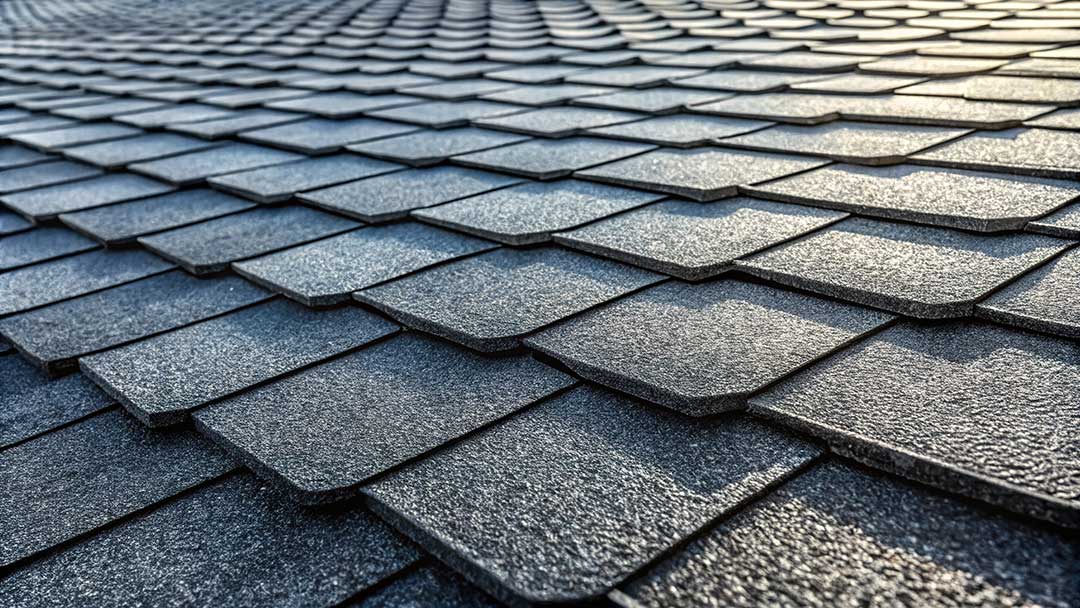
The age of the roof can influence both eligibility and the amount of coverage available. It can also affect premiums and renewal decisions.
What should a homeowner do after storm damage?
Safety comes first. Do not climb onto a steep, icy, wet, or visibly unstable roof. From the ground or an upper-floor window, look for obvious signs such as missing shingles, displaced flashing, fallen branches, sagging areas, or damaged gutters.
After a storm:
- Take photographs and videos from safe locations.
- Record the date of the storm and when the damage was discovered.
- Prevent additional interior damage if doing so is safe.
- Use temporary coverings only when they can be installed without creating a hazard.
- Keep receipts for emergency measures and temporary repairs.
- Move furniture or belongings away from active leaks.
- Notify the insurance company promptly if a significant loss is suspected.
- Avoid permanently repairing or discarding damaged materials before the insurer has had a reasonable opportunity to inspect them, unless immediate action is needed for safety.
Temporary protection is different from permanent repair. Covering an opening to limit further water intrusion may be reasonable. Replacing the entire roof before documentation and inspection can make it harder to establish what damage occurred.
Can insurance pay for interior water damage from a roof leak?
It may, but the cause of the leak controls the answer. Interior damage that follows a covered event—such as wind lifting shingles—may be covered. Interior damage caused by an old, unresolved leak may be excluded.
The policy may also distinguish between damage to the structure and damage to personal belongings. Ceiling materials, insulation, walls, flooring, furniture, and electronics may fall under different coverage sections and limits.
Additional living expenses may be available if covered damage makes the home unsafe or uninhabitable. This coverage is subject to policy limits and usually applies only when the underlying loss is covered.
Flooding is generally not covered by a standard homeowners policy. Water entering from outside because of flooding, surface water, or rising water may require separate flood insurance.
How can homeowners prepare before a loss?
Review the policy at least once a year, especially after a roof replacement, addition, insulation project, or other major improvement. Confirm that the dwelling coverage reflects current rebuilding costs rather than only the home’s market value.
Keep records that may help establish the roof’s condition and history:
- Installation date, if known
- Photographs taken before severe weather
- Receipts for repairs and maintenance
- Inspection reports
- Documentation of improvements
- A household inventory of personal property
In a community that experiences snow, ice, freeze-thaw cycles, and seasonal wind, routine observation can reveal small problems before they become interior damage. Clearing debris from valleys and drainage areas, keeping gutters functional, and watching for damaged flashing can help reduce preventable water entry. These steps do not guarantee coverage, but they support responsible maintenance and better documentation.
If an insurer’s estimate differs substantially from the documented damage, compare the policy language, scope of work, depreciation, and deductible—not just the final dollar figure. New York policies also contain procedures for resolving disagreements about the amount of a covered loss, including appraisal provisions in many situations.
