
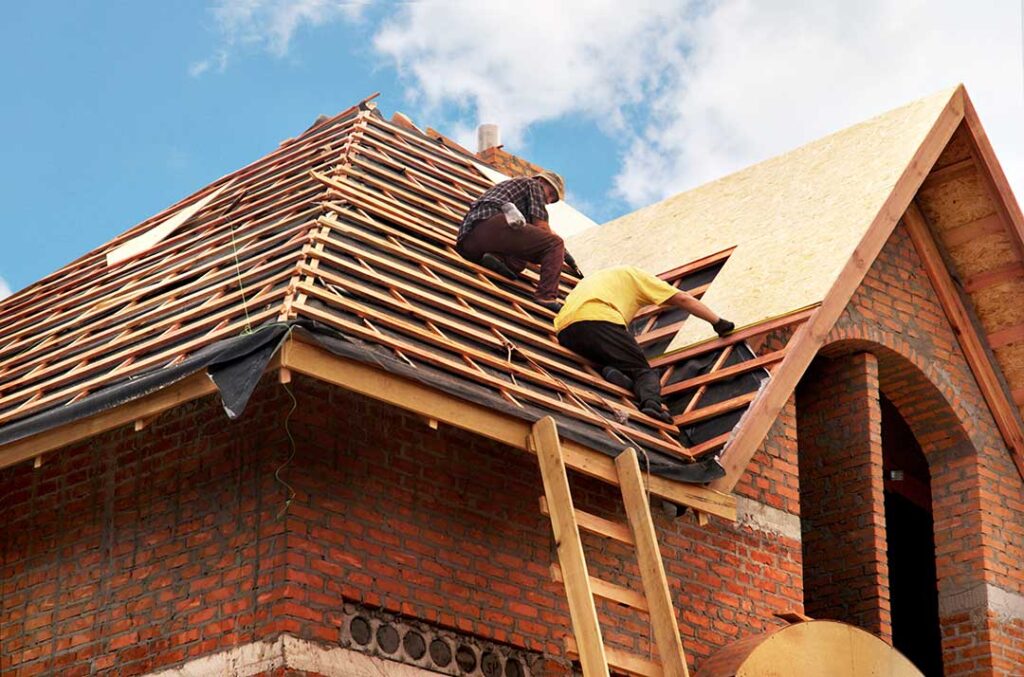
Which roofing material is better for a home in Greene, NY?
Neither asphalt shingles nor metal roofing is automatically the right choice for every house. Asphalt shingles are usually simpler and less expensive to install, while metal roofing generally offers a longer service life and strong resistance to weather. The better option depends on the roof’s design, the home’s age, the owner’s budget, and how long the household expects to remain in the property.
For homes in this community, roofing materials must handle changing seasons, winter snow, freeze-thaw cycles, summer heat, wind, falling branches, and periods of heavy rain. Installation details often matter just as much as the material itself.
How do asphalt shingles and metal roofing differ?
Asphalt shingles are layered roofing products made from a fiberglass base, asphalt, and mineral granules. They are installed in overlapping courses and are available in several styles and colors.
Metal roofing may consist of interlocking panels, exposed-fastener panels, or metal shingles. Steel is common, although aluminum and other metals are also used. The performance of a metal roof depends heavily on panel design, protective coatings, fasteners, seams, flashing, and ventilation.
A basic comparison looks like this:
- Typical service life: Asphalt shingles commonly last about 15 to 30 years, while well-designed metal roofing can last 40 to 70 years or longer.
- Initial cost: Asphalt usually costs less at the beginning. Metal generally requires a larger upfront investment.
- Maintenance: Both systems need periodic inspection, but metal roofs can require more attention to fasteners, seams, coatings, and damaged panels.
- Weather resistance: Both can perform well when properly installed. Metal is less vulnerable to granule loss and some forms of surface deterioration, while asphalt shingles are easier to replace in small sections.
- Appearance: Asphalt offers familiar residential styles. Metal can provide a traditional or modern appearance, depending on the profile and finish.
- Repair approach: Individual asphalt shingles can often be replaced relatively simply. Metal repairs may require matching panels, specialized components, or correction of a larger section.
Are metal roofs better in snowy weather?
Metal roofing can shed snow more readily than asphalt shingles, especially on steeper slopes. That may reduce the amount of snow that remains on the roof, but it can also create a safety concern if snow slides suddenly above a doorway, walkway, driveway, or lower roof.
Snow guards may be appropriate in locations where sliding snow could injure people or damage property. They are not automatically needed on every metal roof, and their placement should match the roof slope, panel design, and areas below.
Asphalt shingles hold snow more gradually because of their textured surface. That can reduce sudden sliding, but accumulated snow still adds weight to the roof structure. No roofing material eliminates the need to monitor heavy snow, ice buildup, or blocked drainage.
Which material handles ice dams better?
Neither material prevents ice dams by itself. Ice dams form when heat escapes into the attic, melts snow on warmer roof sections, and the water refreezes near colder eaves.
Good attic insulation, continuous air sealing, adequate ventilation, and correctly installed underlayment are more important than simply choosing metal or asphalt. Metal may allow meltwater to move differently across the surface, but an improperly insulated roof can still develop ice-related problems.
During a reroofing project, it is worth examining attic conditions rather than treating the roof covering as the only solution. Eave details, valleys, roof-to-wall transitions, skylights, chimneys, and plumbing penetrations deserve particular attention because they are common locations for water entry.
Does metal roofing make a house too hot in summer?
A metal roof does not automatically make an attic or living space hotter. Heat transfer depends on insulation, ventilation, roof color, solar exposure, and the design of the roof assembly.
Dark asphalt shingles can become very hot in direct sun, while dark metal panels can also absorb substantial heat. Light-colored or reflective finishes may reduce solar absorption, but the improvement inside the home still depends on the insulation and air-sealing system below the roof.
Metal roofing can sound louder during rain if the roof assembly is poorly insulated or lacks an appropriate underlayment. In a properly built residential roof, attic insulation and interior ceiling materials usually reduce the sound to a level many occupants find acceptable.
Which option is easier to repair?
Asphalt shingles are generally easier to repair using commonly available materials. If damage is limited to a small area, individual shingles may be replaced without disturbing the entire roof. Matching can become difficult when the existing shingles have faded or the original product is no longer available.
Metal roofing can also be repaired, but the work may involve replacing panels, resealing penetrations, correcting fasteners, or addressing movement caused by temperature changes. A small puncture or loose fastener should not be ignored because water can travel beneath the panel before appearing inside the home.
Branches, ladders, satellite equipment, and other objects can damage either material. Walking directly on a metal roof may dent some profiles or affect protective finishes, while walking on asphalt shingles can loosen granules or cause cracking, particularly in cold weather.
Is a metal roof worth the higher upfront cost?
A metal roof may be financially reasonable when long service life, reduced replacement frequency, and durability are high priorities. The value is easier to recognize when the roof is installed correctly and maintained over several decades.
However, a long expected lifespan does not make metal the better choice for every household. If the property may be sold, if the roof design is unusually complex, or if the available budget is limited, asphalt shingles may provide a more practical balance of cost and performance.
The total cost includes more than the visible roof covering. It may also involve:
- Removal and disposal of old roofing
- Replacement of damaged roof decking
- Underlayment and ice-barrier materials
- Drip edge, flashing, and ventilation components
- Chimney, skylight, and valley details
- Structural review where heavier materials or multiple roof layers are present
- Repairs to gutters, fascia, or soffits
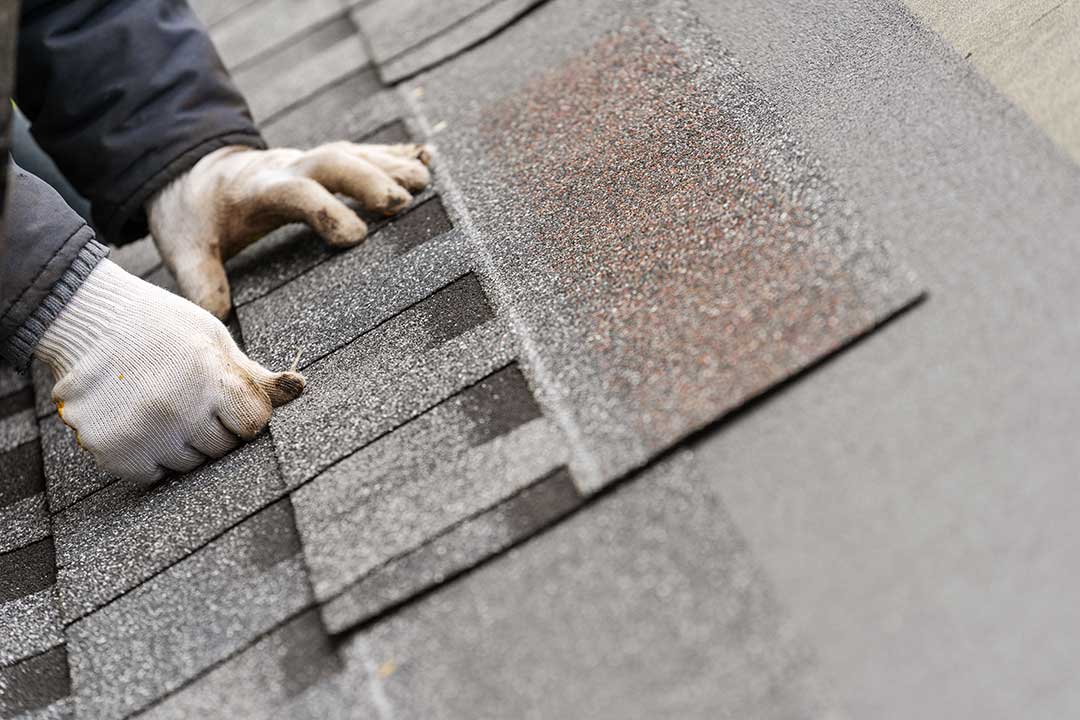
Comparing complete roof assemblies rather than material prices alone produces a more useful decision.
Can metal roofing be installed over asphalt shingles?
In some situations, metal roofing may be installed over an existing asphalt roof, but this is not appropriate for every structure. The condition of the roof deck, the number of existing layers, moisture damage, roof slope, ventilation, and the selected metal system all matter.
Covering an old roof can conceal damaged decking or trapped moisture. It may also affect how flashing and edge details are handled. New York State residential requirements address roof coverings, underlayment, re-roofing, and structural considerations, so local code requirements should be verified before work begins.
A roof that is already near the end of its life may benefit from removal and inspection rather than simply adding another layer.
What should Greene homeowners check before choosing?
Start with the roof itself, not the material sample. Important questions include:
- Is the roof deck dry, sound, and adequately supported?
- Are there signs of attic moisture or poor ventilation?
- Does the roof have enough slope for the selected product?
- Are valleys, eaves, chimneys, and wall intersections detailed correctly?
- Will snow slide toward a walkway, entry, or lower roof?
- Are gutters and downspouts positioned to manage runoff?
- Does the material suit the home’s appearance and surrounding neighborhood?
- Is the installer following the product’s fastening and flashing requirements?
- Are permits or inspections required for the proposed work?
For older homes, hidden conditions can influence the decision more than the difference between asphalt and metal. A sound roof assembly with proper ventilation and flashing will generally outperform a premium material installed over unresolved moisture or structural problems.
Which roofing material should a household choose?
Asphalt shingles are often the practical choice for lower initial cost, familiar appearance, straightforward repairs, and easier material matching. Metal roofing may be the stronger long-term choice for households seeking extended service life, reduced surface deterioration, and a distinct appearance.
The most dependable decision is based on the entire roof system: structure, slope, insulation, ventilation, underlayment, flashing, drainage, snow management, and installation quality. Material choice matters, but it cannot compensate for poor detailing or neglected maintenance.
