
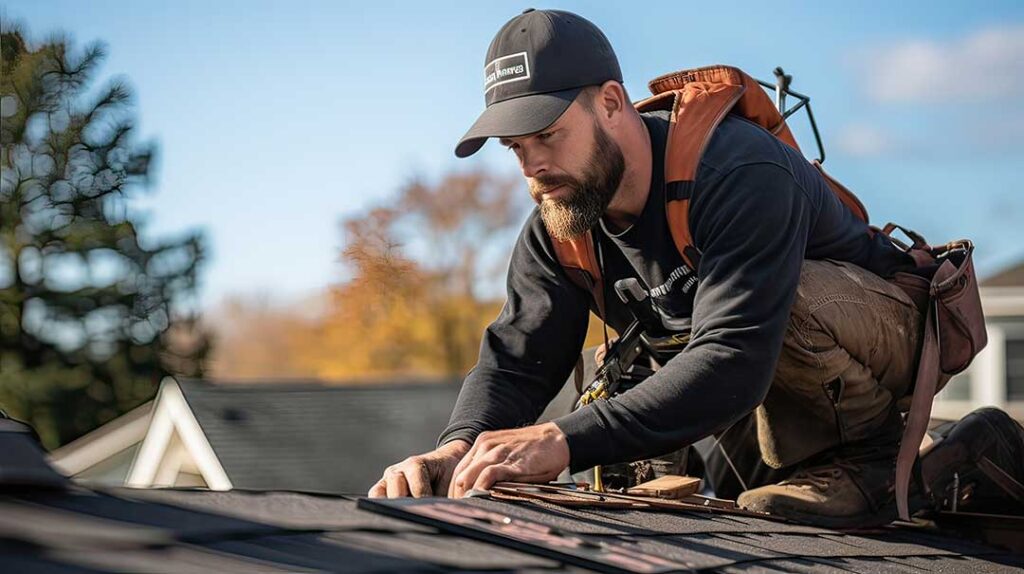
Choosing a roofing contractor in Greene, NY requires more than comparing the lowest price. A reliable decision depends on verifying experience, insurance, written scope of work, payment terms, safety practices, and the contractor’s understanding of local weather conditions.
A roof protects the structure, insulation, belongings, and occupants of a home. Poor installation or an incomplete repair can lead to water intrusion, hidden wood damage, ice-related problems, and repeated expenses. Taking time to evaluate a contractor before work begins can reduce those risks.
What should homeowners verify first?
Before discussing price, confirm that the contractor is properly established and able to perform the work safely. Ask for the business name, physical mailing address, telephone number, and proof of current liability insurance and workers’ compensation coverage, where applicable.
Insurance matters because roofing involves ladders, steep surfaces, falling materials, and potential damage to nearby property. A homeowner should not assume that a contractor’s insurance is current simply because it was mentioned in a conversation. Request documentation and check that the coverage applies during the planned work period.
It is also reasonable to ask:
- How long has the contractor been installing or repairing roofs?
- What types of roofing systems are routinely handled?
- Who will perform the work?
- Will subcontractors be involved?
- How will discarded roofing materials be removed?
- What happens if concealed damage is found after removal?
A contractor who answers clearly and directly is easier to evaluate than one who avoids basic questions.
How can homeowners compare roofing proposals fairly?
The most useful proposal is not always the shortest or least expensive. A written proposal should describe the work in enough detail that several bids can be compared on the same basis.
Look for information about:
- Removal and disposal of existing roofing materials
- Roof deck inspection and the cost of replacing damaged sections
- Underlayment, flashing, ventilation, and ice-barrier details
- Type, quality, and quantity of roofing materials
- Treatment of valleys, chimneys, skylights, vents, and wall intersections
- Cleanup procedures and protection of landscaping or other property
- Start and expected completion dates
- Labor and material warranties
- Payment schedule and conditions for additional charges
A proposal that only states “install new roof” leaves too many important questions unanswered. Two contractors may appear to offer similar prices while including very different levels of preparation, ventilation work, flashing replacement, or cleanup.
The lowest bid can also change substantially if it excludes deck repairs, permits, disposal, or necessary flashing. A fair comparison focuses on the complete scope rather than the initial number alone.
What local conditions should a roofing contractor understand?
Roofing in Greene must withstand changing seasonal conditions, including snow, freezing temperatures, wind, rain, summer heat, and repeated freeze-thaw cycles. These conditions affect material selection, installation timing, drainage, flashing, and ventilation.
A contractor should be prepared to explain how the proposed roofing system addresses:
- Snow and ice accumulation
- Water movement near valleys and roof edges
- Ice dams and winter moisture
- Wind exposure and proper fastening
- Attic ventilation and condensation control
- Existing chimney, vent, and skylight details
- Safe work practices during unstable weather
Local housing patterns can also affect the project. Older homes may have multiple roof layers, uneven roof planes, outdated flashing, limited attic ventilation, or roof decking that has been exposed to moisture over time. A responsible inspection should account for these conditions instead of assuming every roof is a straightforward replacement.
A contractor should not promise that a particular material will eliminate all winter problems. Ice dams, for example, can also be influenced by insulation, air leakage, attic temperature, roof shape, and snow conditions.
How important are references and past work?
References are useful when they are specific and recent. Ask whether previous customers had a similar roof type, repair issue, or project size. A roofing contractor may be experienced with simple asphalt-shingle replacements but have limited experience with complex flashing, low-slope sections, metal roofing, or older structures.
Questions for references may include:
- Was the work completed within the agreed scope?
- Were changes explained before additional charges were made?
- Was the property cleaned thoroughly?
- Did the crew protect gardens, siding, windows, and driveways?
- Were warranty or follow-up issues handled promptly?
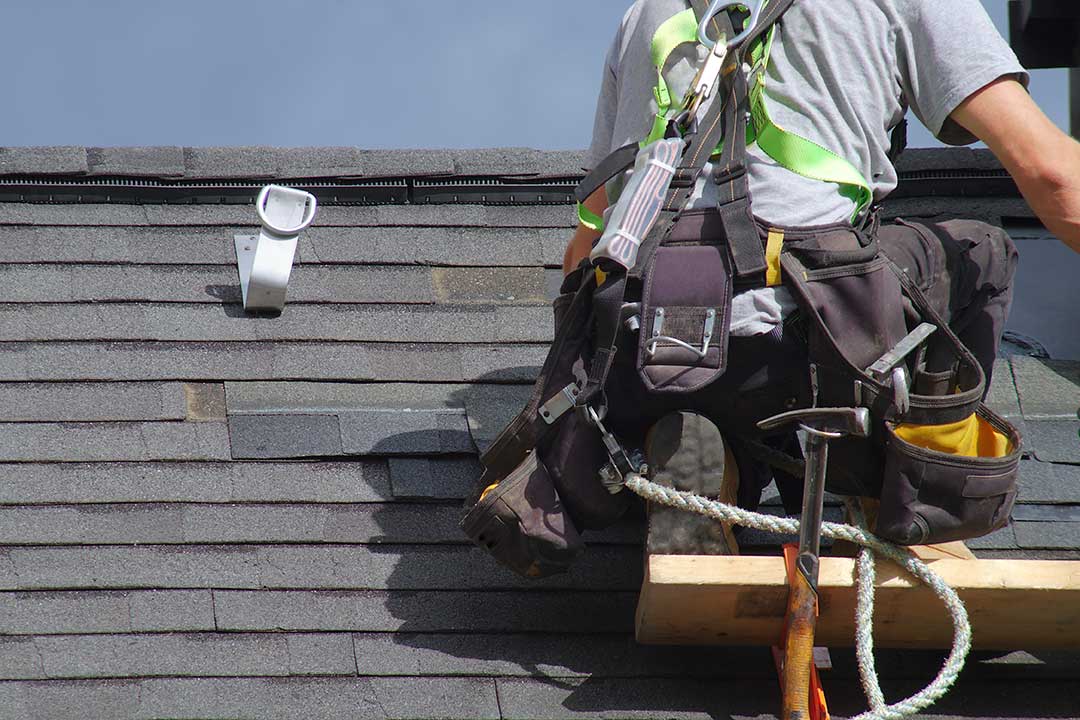
Photographs of completed work can help, but photographs alone do not prove installation quality. Visible details such as straight shingle lines, neat flashing, proper ridge treatment, and clean edges can provide useful clues, yet hidden components still require attention.
What warning signs should raise concern?
Certain practices deserve caution. A homeowner may want to pause before signing if a contractor:
- Pressures the homeowner to decide immediately
- Demands full payment before work starts
- Offers only a verbal agreement
- Refuses to provide insurance information
- Gives a price without inspecting the roof
- Uses vague descriptions of materials or labor
- Requests payment in cash without a proper receipt
- Claims that every roof problem requires complete replacement
- Offers to handle insurance paperwork in a way the homeowner does not understand
- Suggests skipping required inspections or approvals
Storm damage can create additional pressure because temporary leaks and exposed roofing need prompt attention. Even then, emergency protection and permanent repairs should be treated as separate decisions. A temporary covering may limit water entry while allowing time to review the full scope of work.
What should a roofing contract include?
A contract should identify the parties, property, work to be completed, materials, total price, payment schedule, start expectations, cleanup responsibilities, and warranty terms. It should also explain how unexpected conditions will be handled.
For example, if damaged roof decking is discovered, the agreement should state how the cost will be calculated and whether the homeowner must approve the work before it proceeds. Verbal promises made during an inspection should be added to the written contract if they affect the project.
Read warranty language carefully. A workmanship warranty and a manufacturer’s material warranty are different. The contract should explain who is responsible for each warranty, what is excluded, and how a future problem must be reported.
No homeowner should sign a blank document or allow important terms to be filled in later.
Should a roof be repaired or replaced?
The correct choice depends on the age and condition of the roofing system, the location of the damage, the number of affected areas, and the condition of the underlying materials. A limited repair may be reasonable for isolated damage, while widespread leaks, severe surface deterioration, recurring repairs, or failing flashing may justify replacement.
A contractor should explain the reasoning rather than simply recommend the most expensive option. Homeowners can ask for photographs of damaged areas and a clear description of what the repair is expected to accomplish.
Some problems that look like roof leaks may originate around chimneys, plumbing vents, siding transitions, attic condensation, or ice buildup. Identifying the source is more useful than applying roofing cement to the first visible stain.
How can homeowners prepare for the project?
Before work begins, document existing exterior conditions with photographs. Move fragile items from attic areas, protect valuables from dust, and discuss access to electricity, parking areas, gates, and exterior water sources if needed.
Confirm how children, pets, gardens, outdoor furniture, and vehicles will be protected. Roofing work can create falling debris and sharp waste even when a crew is careful. After completion, inspect the property for loose materials, exposed fasteners, damaged landscaping, and leftover debris.
Keep copies of the proposal, contract, receipts, warranty documents, photographs, and communication about changes. These records are useful for maintenance, future buyers, insurance questions, or warranty issues.
A sound roofing decision is based on clear documentation, realistic expectations, and careful attention to how the roof will perform through the seasons—not simply on who offers the fastest start or the lowest initial price.
