
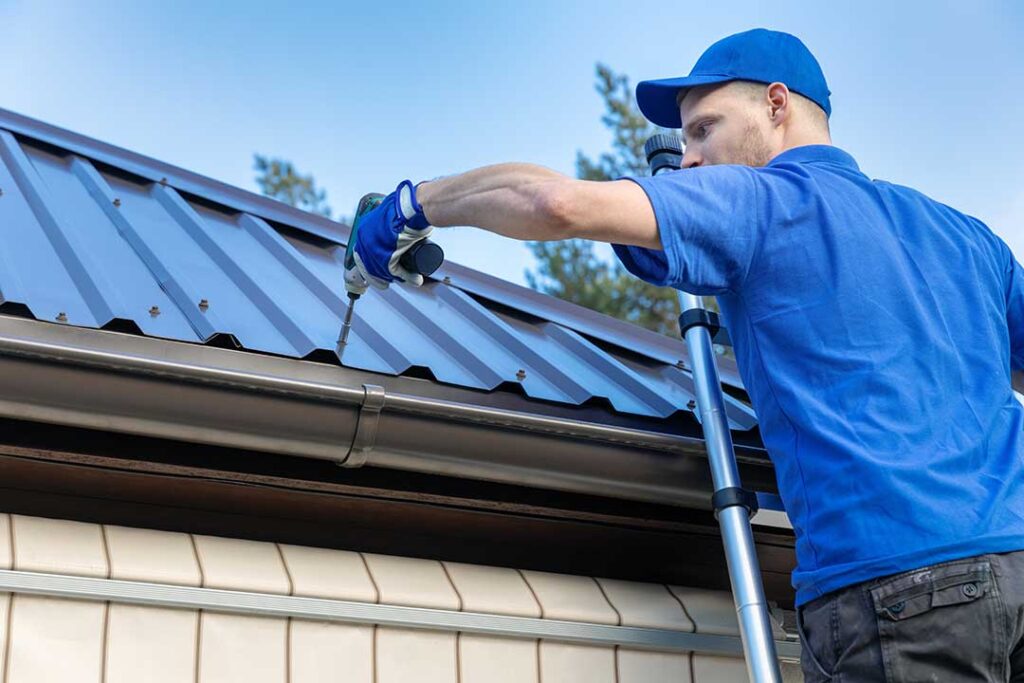
A new roof can improve a home’s value by reducing future repair concerns, improving appearance, and giving buyers greater confidence in the property’s condition. The financial effect is not automatic, however. Roof age, installation quality, remaining service life, ventilation, documentation, and the condition of the rest of the home all influence how much value the improvement adds.
Does a new roof increase home value?
Usually, a new roof strengthens a home’s market position more than it increases the sale price by the full amount spent. Buyers often view roofing as a major future expense, so a recently completed roof may make the property easier to evaluate and more attractive compared with similar homes that need visible work.
The value comes from several benefits:
- Fewer immediate maintenance concerns
- Lower risk of leaks and interior water damage
- Improved curb appeal
- Better protection from seasonal weather
- Greater confidence during a home inspection
- More predictable ownership costs
A replacement roof is therefore both a physical improvement and a form of risk reduction. A buyer may not pay dollar-for-dollar for the work, but may be less likely to reduce an offer because of roofing concerns.
Why does roof age matter to buyers?
Roof age helps buyers estimate how soon they may face a large expense. A roof near the end of its expected service life can affect negotiations even if it is not actively leaking.
In Greene, NY, roofs must endure repeated seasonal changes, including freezing temperatures, snow, wind, rain, and cycles of thawing and refreezing. These conditions can gradually affect shingles, flashing, ventilation components, and areas around roof openings.
A roof that is only a few years old may provide reassurance, especially if there are records showing when it was installed. A roof that is older but well maintained may still perform reliably, but buyers may account for its remaining life when deciding what the home is worth.
The key question is not simply, “Is the roof new?” It is, “How much dependable service life remains, and is the roof system functioning properly?”
Does a new roof help a home sell faster?
A sound, presentable roof can help a home attract attention and avoid delays, but it cannot guarantee a faster sale. Buyers compare the roof with the entire property, including the kitchen, bathrooms, heating system, windows, foundation, drainage, and general maintenance.
Roofing becomes especially influential when:
- The existing roof has visible curling, missing, or damaged shingles
- Stains or signs of past leaks are visible indoors
- The roof is near the end of its expected life
- Competing homes have newer roofing
- The property is being sold during wet, snowy, or stormy weather
- An inspection is likely to identify deferred maintenance
A replacement may prevent the roof from becoming the main objection in a transaction. In some cases, that is more valuable than making the roof a selling feature.
What roofing improvements add the most value?
The most useful improvements are generally the ones that correct functional problems and create a complete, durable roof system. Appearance matters, but buyers tend to value evidence that the roof will perform reliably.
Important factors include:
Proper installation
A new roof installed over damaged decking, poorly designed flashing, or unresolved ventilation problems may not provide the expected benefit. The visible shingles are only one part of the system.
Sound flashing and penetrations
Flashing protects locations where the roof meets walls, chimneys, vents, and other openings. Weak points in these areas can allow water intrusion even when the shingles look relatively new.
Adequate ventilation
Poor attic ventilation can contribute to moisture buildup, uneven temperatures, premature shingle aging, and winter ice-related problems. Correct ventilation should be considered as part of the roof’s overall performance rather than as a separate cosmetic detail.
Complete documentation
Receipts, permits when applicable, material information, warranties, inspection records, and photographs can help establish what work was completed. Clear records reduce uncertainty for future owners and may make a transaction easier to review.
Compatibility with the home
Roofing should suit the structure’s design, slope, drainage needs, and surrounding appearance. A visually appropriate roof can improve curb appeal without making the improvement seem out of place.
Can a new roof recover its full cost?
There is no universal percentage of cost recovery. Results depend on local market conditions, the quality and scope of the work, the home’s price range, and whether the old roof was merely aging or already creating serious concerns.
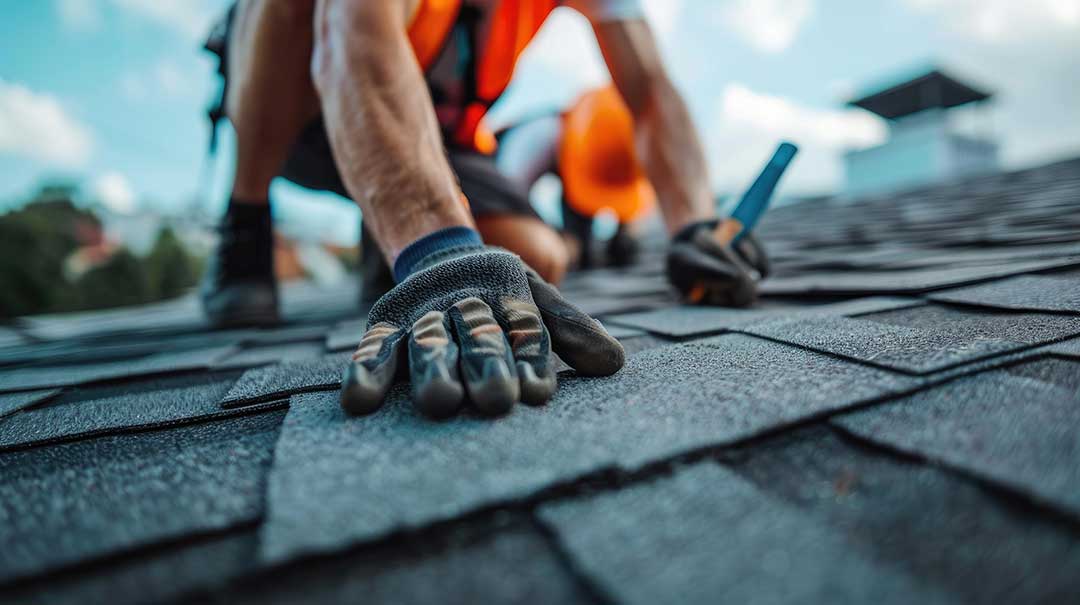
A roof replacement may recover less than its full cost in the sale price, while still being financially useful. For example, it may prevent a buyer from requesting a substantial credit, help the home compete with better-maintained properties, or reduce the chance of a transaction falling apart during inspection.
Timing also matters. Replacing a roof shortly before selling may provide less personal benefit than replacing it while continuing to live in the home for several years. During that time, the household receives the practical benefits of improved weather protection and fewer repair worries.
Is repair better than replacement for home value?
A well-planned repair may be the better choice when the roof is generally sound and the problem is limited. Replacing an entire roof solely to improve resale value may not make financial sense if the existing system has substantial service life remaining.
Repair may be reasonable when:
- Damage is confined to a small, identifiable area
- The underlying roof structure remains dry and sound
- Shingles are not broadly deteriorated
- Flashing or ventilation issues can be corrected
- The repair can be documented clearly
Replacement becomes more relevant when damage is widespread, leaks are recurring, materials are deteriorating across large areas, or the roof has reached the later part of its expected life. Covering an older roof with a new layer may also hide problems rather than address them, depending on local requirements and the condition of the existing materials.
How do inspections affect the value of a new roof?
A home inspection does not guarantee that a roof will receive a clean report, even if it was recently installed. Inspectors may still identify concerns involving attic moisture, exposed fasteners, flashing, drainage, missing components, or signs of improper workmanship.
Before selling, homeowners should keep useful records and review visible areas from the ground and attic when it is safe to do so. Warning signs include:
- Water stains or musty odors in the attic
- Daylight visible through roof assemblies
- Damp insulation
- Sagging roof lines
- Loose or damaged flashing
- Gutters filled with excessive shingle material
- Repeated interior staining
Hazardous roof access should not be attempted without appropriate training and equipment. A roof’s condition is best evaluated through safe observation and qualified inspection when necessary.
What should homeowners consider before replacing a roof for resale?
The strongest resale decision is usually based on the roof’s actual condition rather than on the hope of receiving a specific return. A homeowner should consider the remaining life of the current roof, the likelihood of inspection objections, visible curb appeal, recent leak history, and whether other major systems need attention first.
If the home has serious drainage, structural, moisture, or ventilation problems, replacing shingles alone may not solve the issue. A roof that looks new but does not manage water properly can create more difficulty than an older roof that is honestly documented and well maintained.
For area households, a durable roof is valuable because it protects the rest of the property from moisture damage through many seasons. Its effect on home value is strongest when the work is appropriate to the structure, completed correctly, supported by records, and part of an otherwise well-maintained home.
