
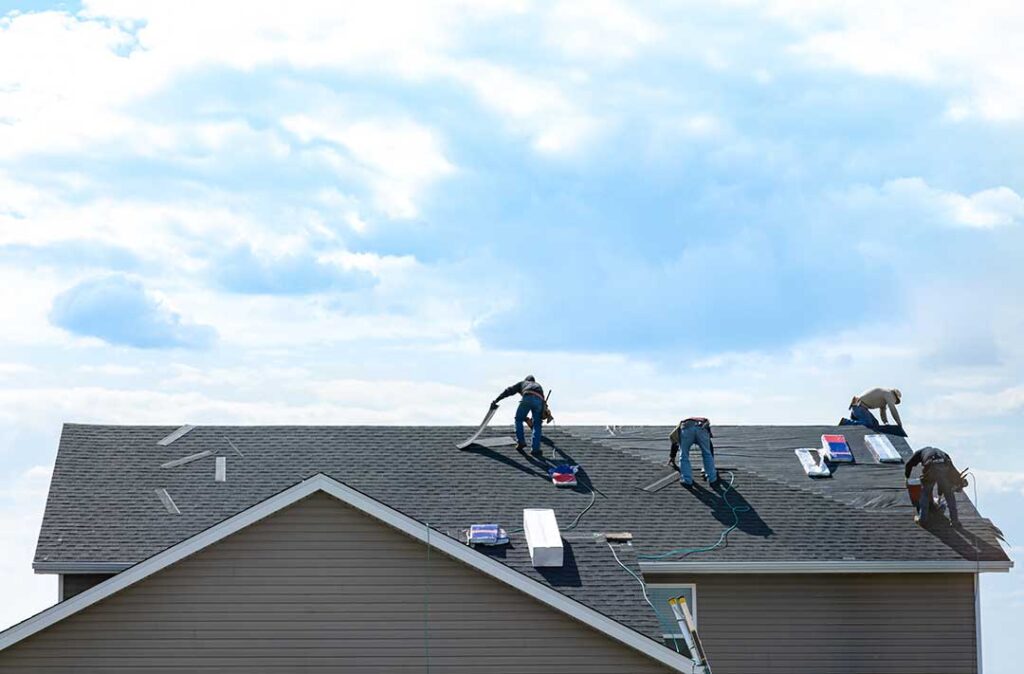
Roof inspections are easiest to plan when they follow the local weather cycle rather than a fixed calendar alone. For most homes in Greene, NY, a detailed inspection once a year is a sensible baseline, with additional checks after major wind, snow, ice, hail, or heavy-rain events.
The best timing depends on the roof’s age, past repair history, visible symptoms, and exposure to seasonal stress. A roof that appears sound from the ground may still have loose flashing, damaged sealant, blocked drainage, or moisture beneath the roofing materials.
What time of year is best for a roof inspection?
For many households, late spring is the most useful time for a routine inspection. By then, winter snow, ice, wind, and repeated freezing and thawing have placed stress on shingles, flashing, gutters, and roof edges.
A spring inspection can identify:
- Missing, cracked, curled, or displaced shingles
- Loose metal flashing around chimneys, skylights, walls, and roof edges
- Ice-dam-related damage
- Gutter or downspout problems
- Water stains or damp areas in the attic
- Damage caused by fallen branches or winter winds
Late summer or early fall can also be a practical inspection period. This allows time to identify maintenance needs before the roof faces another season of snow, ice, and short periods of freezing and thawing.
A fall inspection should pay particular attention to roof drainage, attic ventilation, flashing, and areas where leaves or other debris collect. Blocked drainage can allow water to back up beneath roofing materials during rain or melting snow.
Should a roof be inspected after winter?
Yes. Winter weather can create damage that is not immediately visible from the ground. Snow loads, ice buildup, wind, and freeze-thaw cycles can loosen roofing materials or open small paths for water.
In the local climate, snow and ice may remain on a roof for extended periods, then melt during warmer daytime temperatures and refreeze at night. This repeated movement of water can affect eaves, valleys, flashing, gutters, and roof penetrations.
After winter, look for:
- New water stains on ceilings or upper walls
- Damp insulation or musty attic odors
- Sagging roof areas or ceiling surfaces
- Granules collecting in gutters or near downspouts
- Shingles lying in the yard
- Bent gutters or separated downspouts
- Peeling paint or damaged trim near roof edges
An inspection becomes more urgent if water is entering the home, the roofline appears uneven, or snow and ice have been associated with cracking, sagging, or movement in the structure. Roof access should not be attempted during icy or unstable conditions.
When is a post-storm inspection necessary?
A roof should be checked after severe weather when wind, hail, heavy rain, falling limbs, or unusually heavy snow may have affected the property. Waiting for an interior leak is not necessary; many storm-related problems begin as small exterior defects.
A post-storm inspection is especially appropriate when:
- Wind has blown shingles, siding, or tree limbs around the property
- Hail has struck the roof, gutters, vents, or nearby vehicles
- A branch has touched or fallen onto the roof
- Heavy snow has accumulated unevenly or drifted across the roof
- Gutters have pulled away from the fascia
- Water has entered the attic, walls, or ceilings
- Neighbors have reported widespread storm damage in the area
Not every roof problem is visible from the ground. Hail may leave subtle marks, while wind can lift the edge of a shingle without removing it entirely. A careful inspection should include roof surfaces when safe, flashing, penetrations, drainage components, attic areas, and interior signs of moisture.
How often should an older roof be inspected?
Older roofs generally benefit from more frequent attention. Once roofing materials have reached the later part of their expected service life, small defects may develop more quickly and repairs may become less predictable.
A roof may warrant inspections twice a year when it is:
- More than about 15 years old, depending on the material and installation history
- Showing curling, cracking, exposed fasteners, or widespread granule loss
- Located beneath overhanging trees
- Frequently exposed to wind or drifting snow
- Associated with previous leaks or repeated repairs
- Supporting additions, dormers, skylights, or multiple roof sections
The age of the roof is only one factor. A relatively new roof can still develop problems if flashing was damaged, ventilation is inadequate, drainage is poor, or severe weather has occurred.
What signs mean an inspection should happen sooner?
Certain warning signs should not wait for the next seasonal check. Interior evidence is often the first indication that water has passed through the roof system.
Arrange an inspection promptly when there are:
- Brown or yellow ceiling stains
- Bubbling, peeling, or discolored paint
- Damp attic insulation
- Daylight visible through the roof deck
- A persistent musty smell
- Dripping during rain or snowmelt
- Sudden drafts near attic openings
- Visible sagging in the roofline or ceiling
- Missing roofing materials
- Rust around flashing or fasteners
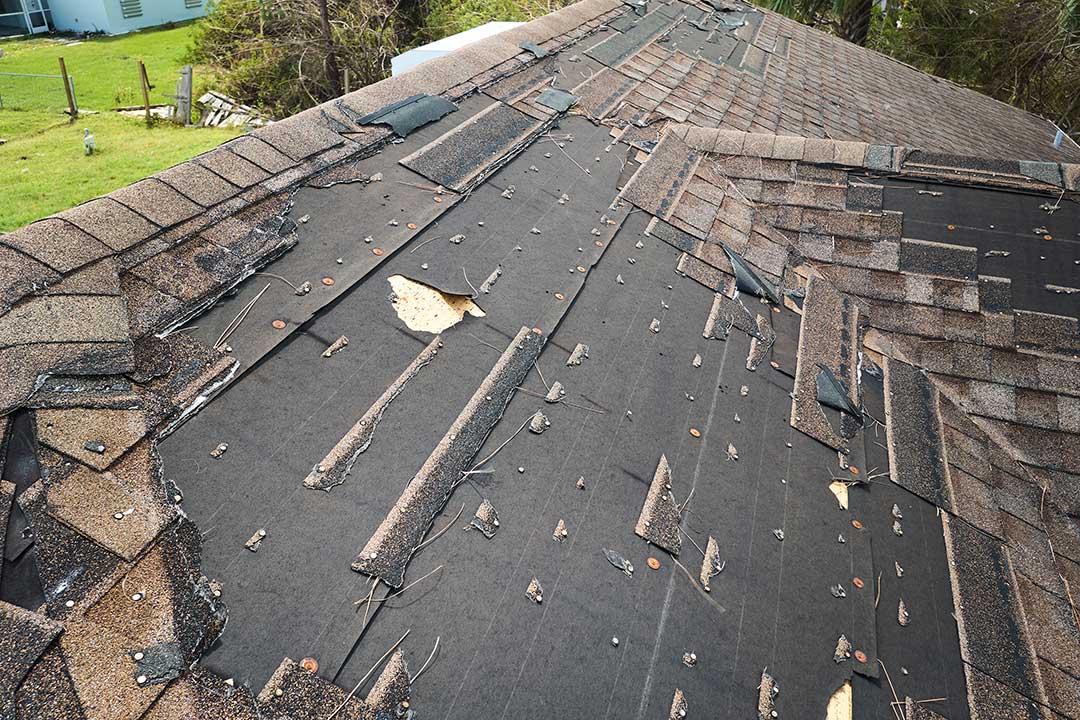
A single stain does not always show the exact location of the roof defect. Water can travel along rafters, roof decking, insulation, or framing before appearing indoors. For that reason, patching the visible stain without examining the surrounding area may leave the underlying problem unresolved.
What should homeowners check from the ground?
A ground-level review is useful between formal inspections, provided it is done from a safe location. Binoculars can help reveal lifted shingles, damaged flashing, clogged valleys, and sagging sections without requiring ladder or roof access.
Walk around the property after major weather and look for:
- Shingles or metal pieces on the ground
- Dark patches or uneven areas on the roof
- Gutter sections that sag or separate
- Downspouts discharging water too close to the foundation
- Branches rubbing against roofing materials
- Moss or organic debris holding moisture
- Damaged chimney caps, vents, or roof-mounted equipment
- Water marks on exterior walls beneath roof edges
Gutters should be observed during rain when possible. Water spilling over the front edge, backing up near corners, or failing to exit through downspouts may indicate a drainage problem rather than a simple gutter-cleaning issue.
Does a roof inspection include the attic?
A useful roof inspection should include the attic whenever the home has accessible attic space. The underside of the roof can reveal issues that are hidden above the roofing materials.
An attic review may identify:
- Wet or compressed insulation
- Mold-like growth caused by persistent moisture
- Rusted nails or fasteners
- Water marks on rafters or roof decking
- Inadequate or blocked ventilation
- Daylight around roof penetrations
- Evidence of pests entering through damaged areas
- Condensation caused by warm, moist indoor air
Not every attic stain indicates an active roof leak. Condensation, bathroom exhaust entering the attic, and air leakage around ceiling penetrations can also create moisture. The timing, location, and condition of the materials help distinguish these causes.
How should an inspection be documented?
Keeping a simple roof record makes seasonal changes easier to recognize. Note the approximate installation date, roofing material, previous repairs, leak locations, storm dates, and inspection findings.
Photographs taken from the same ground-level positions can help compare conditions over time. Records are particularly useful for homes with multiple roof sections, attached additions, dormers, or recurring water concerns.
For safety, steep roofs, icy surfaces, damaged structures, and areas near power lines should not be approached casually. Conditions involving sagging, structural movement, major leaks, or heavy snow loads require prompt evaluation by an appropriately qualified building or roofing professional.
