
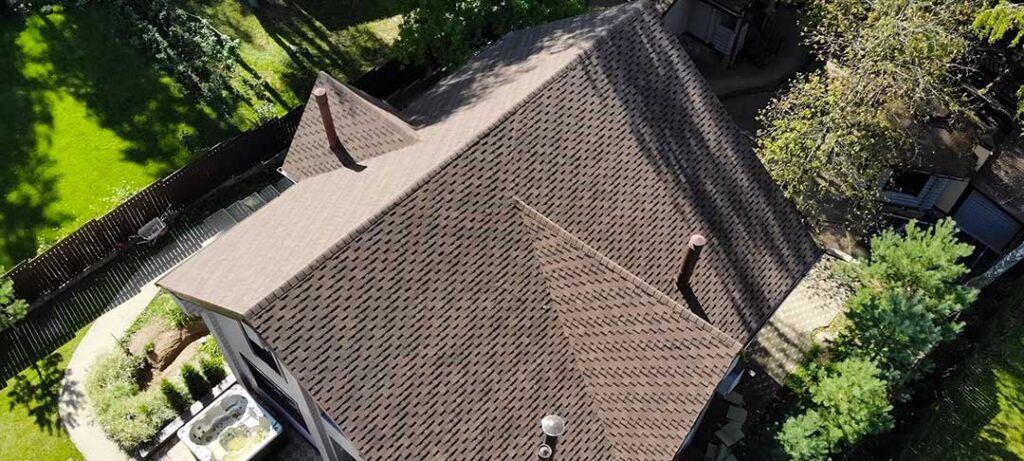
What actually extends a roof’s service life?
A roof usually lasts longer when small problems are found early, moisture is managed, and seasonal stress is reduced. For homes in Greene, NY, regular attention matters because roofs must handle snow, ice, wind, heavy rain, summer heat, falling leaves, and repeated freeze-thaw cycles.
Roof maintenance does not mean inspecting every shingle each week. It means creating a simple routine that protects the roof surface, drainage system, attic, and nearby trees.
How often should a roof be inspected?
A basic roof check is useful twice a year: once in spring and again in early fall. Additional checks are sensible after major wind, hail, heavy snow, or prolonged rain.
Ground-level observations can reveal many warning signs. Look for:
- Missing, cracked, curled, or visibly damaged shingles
- Dark areas that may indicate trapped moisture or algae growth
- Loose or damaged flashing around chimneys, vents, skylights, and roof edges
- Sagging sections along the roofline
- Gutters pulling away from the house
- Granules collecting heavily in downspouts or at the ends of gutters
- Tree limbs, leaves, or other debris resting on the roof
A roof should not be walked on casually. Shingles can be damaged by foot traffic, and steep or wet surfaces create a serious fall hazard. Roof areas that cannot be viewed safely from the ground or from an appropriate ladder position may require a qualified inspection, especially if active leaking or structural damage is suspected.
Why do gutters affect roof life?
Gutters and downspouts are part of the roof drainage system. If they are blocked, water can back up beneath the roof edge, soak fascia boards, damage siding, or contribute to ice formation during cold weather.
Clean gutters at least in late spring and late fall, with additional attention if the property has many mature trees. Check that:
- Water flows freely through the downspouts
- Downspouts discharge water away from the foundation
- Gutters maintain a slight slope toward their outlets
- Fasteners and end caps remain secure
- Ice or standing water is not repeatedly forming in the same location
Heavy snow and ice can place extra weight on gutters. Removing accumulated snow from a roof is not a routine do-it-yourself task; improper tools or walking on icy surfaces can damage shingles and create a fall risk.
Can attic ventilation and insulation make a roof last longer?
Yes. A properly balanced attic can reduce heat buildup in summer and help limit uneven roof temperatures in winter. It also helps control moisture that may otherwise condense on the underside of the roof deck.
Good attic performance generally depends on two related features:
- Insulation, which slows heat transfer between the living space and attic
- Ventilation, which allows air movement through designated intake and exhaust areas
Blocked soffit vents, compressed insulation, bathroom fans discharging into the attic, and air leaks around ceiling fixtures can all contribute to moisture problems. Frost, damp insulation, rusty fasteners, mold-like staining, or peeling paint near the upper floor may signal excess attic moisture.
Bathroom and kitchen exhaust should vent outdoors rather than into the attic. Improving attic conditions may involve electrical, insulation, or ventilation work, so unsafe or inaccessible areas should not be disturbed without appropriate knowledge and protective equipment.
How should moss, algae, and debris be handled?
Leaves, pine needles, branches, and organic debris hold moisture against roofing materials. Over time, that moisture can encourage deterioration, especially in shaded areas with limited air movement.
Moss should not be aggressively scraped from shingles. Scraping can remove protective granules and loosen roofing materials. Pressure washing is also a poor choice because high-pressure water can force moisture beneath shingles and cause surface damage.
If moss or algae is spreading, the cause should also be considered. Overhanging branches may reduce sunlight and drop debris, while poor drainage can keep part of the roof damp. Trimming vegetation carefully and improving roof drainage may help prevent the problem from returning. Branches should be kept far enough away to avoid rubbing against shingles during windy conditions.
What should homeowners do after a storm?
After a major storm, check the roof from the ground and inspect accessible attic areas for signs of water entry. Inside the attic, look for damp insulation, water stains, daylight through the roof deck, or wet framing.
Inside the living space, watch for:
- New ceiling or wall stains
- Dripping around light fixtures
- Damp insulation near exterior walls
- Musty odors
- Paint bubbling or peeling
- Water appearing several feet away from the actual roof leak
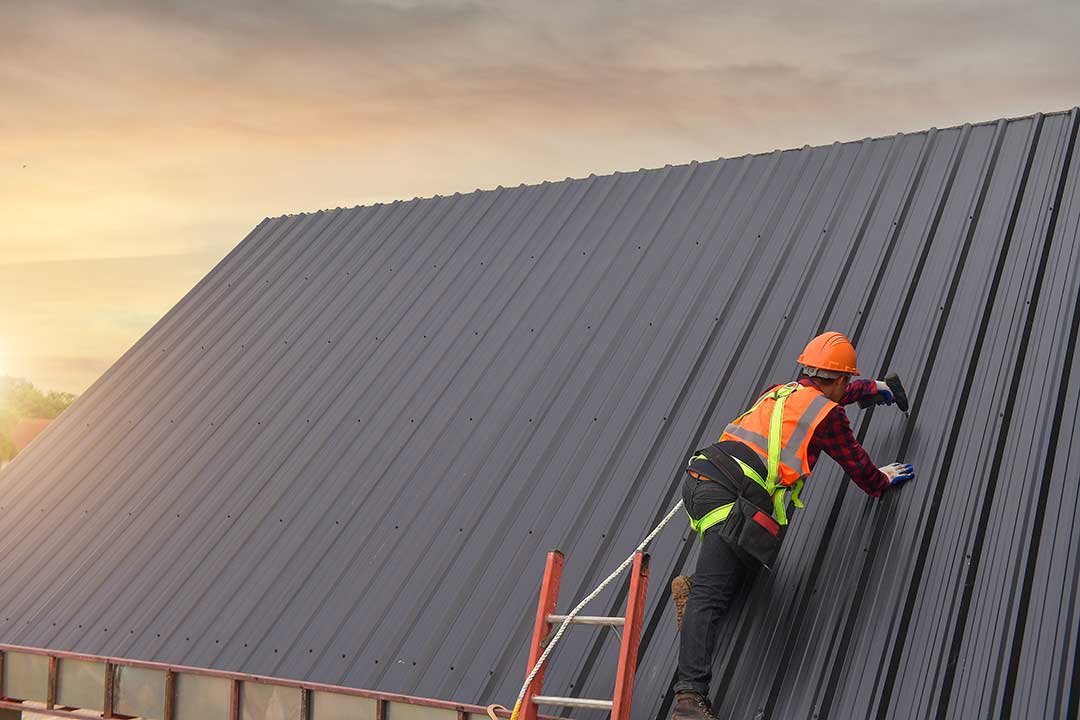
Water can travel along rafters, roof decking, and insulation, so the visible stain may not be directly below the damaged area. Active leaks should be contained indoors with buckets or other safe measures, while electrical fixtures exposed to water should not be touched.
Temporary coverings may help limit damage after storm-related openings, but working on a roof during rain, high wind, or icy conditions is unsafe.
Does cleaning the roof improve its lifespan?
Cleaning can help when it removes damaging organic debris, but the method matters more than the appearance. A roof does not need to look new to be healthy, and cosmetic cleaning should not put the shingles at risk.
Avoid stiff brushes, pressure washers, harsh scraping, and walking across fragile or brittle roofing. If a roof covering is already near the end of its expected service life, cleaning may provide limited benefit compared with correcting drainage, moisture, or ventilation problems.
The most useful cleaning is often preventative: keeping gutters clear, removing branches before they accumulate, and ensuring nearby trees do not constantly shade or abrade the roof.
Which roof repairs should not be delayed?
Some conditions become more expensive when ignored. Prompt attention is especially important for:
- Active leaks or repeated water stains
- Missing shingles after wind
- Exposed underlayment or roof decking
- Sagging roof sections
- Damaged flashing around penetrations
- Ice-related damage along the eaves
- Water entering around chimneys, vents, or skylights
- Large areas of granule loss or widespread shingle curling
A small, isolated defect may be easier to correct than a leak that has continued through several seasons. Delayed moisture can affect insulation, framing, ceilings, wall cavities, and interior finishes.
What maintenance habits help most?
A practical roof-care routine can be added to ordinary home maintenance:
- Inspect from the ground in spring and fall.
- Clear gutters before winter and after heavy leaf drop.
- Keep tree limbs from rubbing against the roof.
- Check the attic for moisture or daylight.
- Look over flashing and roof edges after severe weather.
- Keep records of repairs, leaks, and roof age.
- Do not install new roof layers over unresolved moisture or structural problems.
- Avoid storing unnecessary materials or equipment where they block attic ventilation.
Roofing materials have different expected lifespans, and local exposure can shorten or extend those ranges. Age alone does not determine whether a roof is serviceable, but an older roof deserves closer monitoring, particularly after harsh winters or repeated repairs.
Safety should guide every inspection. Wet shingles, steep slopes, ice, unstable ladders, and suspected structural damage are conditions where climbing or making repairs may create greater danger than the original problem.
