
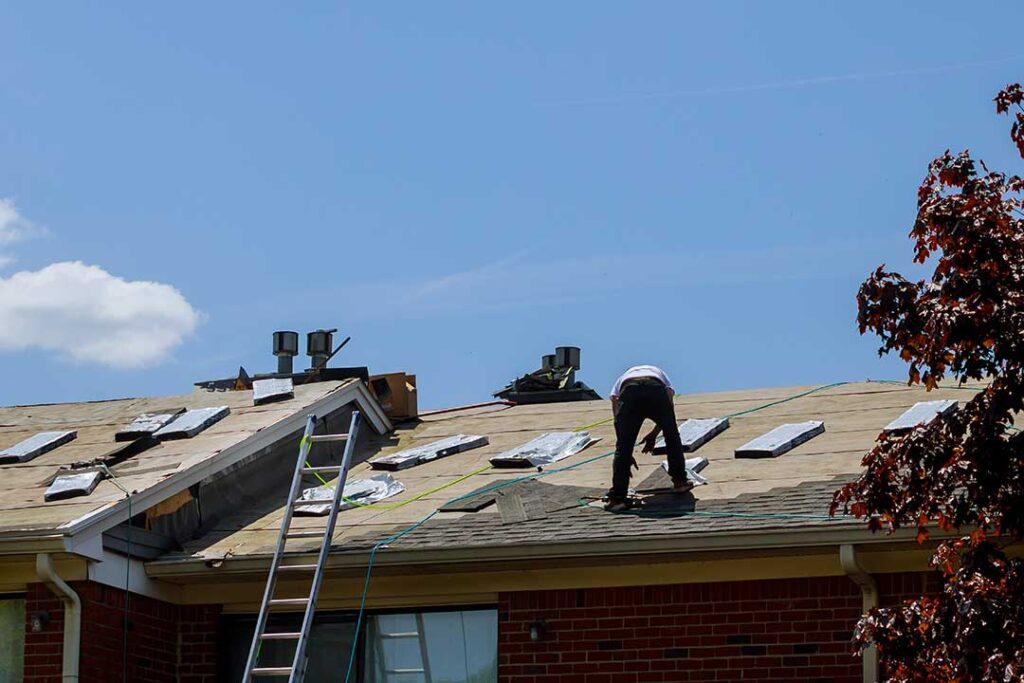
Roof pitch affects much more than a home’s appearance. It influences how water and snow leave the roof, which roofing materials are suitable, how much attic space is available, and how safely the roof can be inspected or maintained.
For homeowners in Greene, NY, understanding roof pitch can make roof maintenance decisions easier, especially in a region where winter snow, freezing temperatures, ice, rain, and seasonal temperature changes all affect roof performance.
What does roof pitch mean?
Roof pitch describes how steep a roof is. It is usually written as a ratio showing how many inches the roof rises for every 12 inches of horizontal distance.
For example:
- A 4:12 roof rises 4 inches for every 12 inches of horizontal run.
- A 6:12 roof rises 6 inches for every 12 inches of horizontal run.
- A 12:12 roof rises 12 inches for every 12 inches of horizontal run, creating a 45-degree angle.
The first number represents vertical rise. The second number, almost always 12, represents horizontal run. A roof with a larger first number is steeper.
Roofers, builders, inspectors, and building-code officials generally use pitch rather than degrees because pitch connects directly to framing, drainage, material requirements, and construction measurements.
How is roof pitch measured?
Roof pitch can often be measured without climbing onto the roof. A level and a tape measure are enough for a basic calculation.
Place one end of a level against the underside of a rafter or roof edge. Measure 12 inches horizontally from that point, then measure the vertical distance from the level to the roof surface. If the roof rises 6 inches over that 12-inch distance, the pitch is 6:12.
Another method is measuring in an accessible attic. A rafter, ceiling joist, or roof deck can provide a safer location than the roof surface itself. However, attic insulation, limited space, nails, wiring, and unstable footing can create hazards.
Roof pitch should not be guessed from the appearance of a roof. A roof that looks moderately steep may be 5:12, 6:12, or another ratio, and that difference can affect material selection and installation requirements.
Why does pitch matter for drainage?
Steeper roofs generally move rainwater, melting snow, and ice more quickly than low-slope roofs. This helps limit the amount of time water remains on the roof covering and around penetrations such as chimneys, plumbing vents, skylights, and roof-to-wall intersections.
A low-slope roof does not automatically have a drainage problem. It simply depends more heavily on careful detailing, properly placed drainage paths, sealed joints, and compatible roofing materials. Small installation errors can be more consequential when water drains slowly.
On any roof, gutters and downspouts must also be able to manage runoff. A steep roof can release water rapidly during heavy rain, while a broad roof can collect a large volume of water even if its pitch is moderate.
How does roof pitch affect snow and ice?
Roof pitch is one factor in how snow behaves, but it is not the only one. Structural design, roof shape, insulation, ventilation, wind exposure, nearby trees, and drifting all influence snow loads.
Steeper roofs may shed snow more readily, but snow does not always slide off evenly. It can remain in valleys, behind chimneys, near dormers, or along roof edges. Large snow slides can also damage gutters, landscaping, vehicles, or people below.
Low-slope sections may hold snow for longer periods. Repeated freeze-and-thaw cycles can create dense, heavy snow and ice that places additional stress on roof framing. Ice dams can form when heat escapes into the attic, warms the roof surface, and causes snow to melt. The water can then refreeze near colder eaves.
Improving attic insulation and air sealing can help limit uneven roof temperatures. Ventilation also plays a role, but ventilation alone will not correct every ice-dam condition. The roof assembly must be considered as a complete system.
Does roof pitch determine which materials can be used?
Yes. Roofing materials have minimum slope requirements because water behaves differently on steep and low-slope surfaces.
Common asphalt shingles are generally intended for roofs with enough pitch to shed water reliably. Very low-slope areas may require specialized underlayment or a different roofing system rather than standard shingles alone.
Metal panels, membrane roofing, slate, tile, and other materials also have their own installation requirements. The acceptable pitch can vary depending on the specific product, seam design, fastening method, underlayment, and exposure conditions.
A roof may have multiple pitches. For example, a main gable roof may be steep while a porch, addition, or rear extension has a lower slope. The lower section may require different materials or flashing details even when the entire home appears to have one general roof style.
What pitch is common on homes in the area?
Homes in the community can have many different roof pitches because construction spans several decades and includes older farmhouses, compact houses, additions, garages, porches, and newer construction.
Moderate pitches such as 4:12, 5:12, and 6:12 are common across many residential roof designs. Older homes may have steeper roof sections, while porches and additions often have lower slopes.
There is no single “correct” pitch for every house. The appropriate design depends on the building’s structure, roof shape, interior layout, climate exposure, materials, and applicable construction requirements.
Does a steeper roof last longer?
Not necessarily. A steeper roof may drain water and shed snow more effectively, but durability depends on many other factors.
Important influences include:
- Material quality and compatibility
- Proper underlayment and flashing
- Adequate attic ventilation and insulation
- Roof framing and structural condition
- Exposure to wind, shade, trees, and falling branches
- Installation workmanship
- Maintenance of gutters, valleys, and roof penetrations
- The age and condition of the roof covering
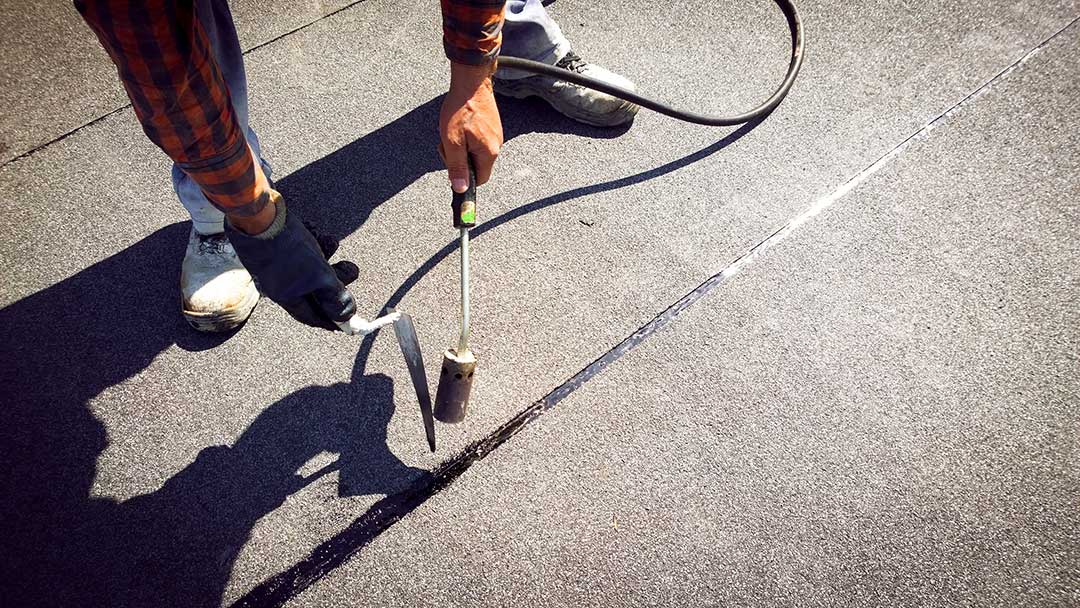
A steep roof with poor flashing can leak, while a low-slope roof with sound design and careful installation can perform well for many years.
How does pitch affect attic space and home comfort?
A steeper roof usually creates more space between the ceiling and roof ridge. That space may be used for storage or finished living areas, although converting an attic requires attention to structure, insulation, ventilation, egress, and moisture control.
Roof pitch can also affect heating and cooling. A larger attic volume may hold more warm air, but comfort depends primarily on insulation, air sealing, ventilation, windows, and heating systems. Pitch alone does not determine whether a home will be energy efficient.
Cathedral ceilings require particularly careful planning because there may be less room for insulation and ventilation above the ceiling. Moisture trapped in these assemblies can contribute to mold, wood decay, or premature roof deterioration.
What should homeowners look for on roofs with different pitches?
Visual inspections from the ground can identify several warning signs:
- Missing, lifted, or damaged shingles
- Sagging roof lines
- Dark areas that may indicate persistent moisture
- Damaged or overflowing gutters
- Exposed fasteners or deteriorated flashing
- Heavy moss or organic growth in shaded areas
- Snow collecting unevenly in valleys or behind roof features
- Water stains or damp insulation inside the attic
Steep roofs are especially hazardous to walk on, and icy conditions can make even moderate roofs dangerous. Roof surfaces should not be climbed simply to confirm the pitch or inspect a suspected problem. Questions involving structural sagging, active leaks, damaged framing, or unsafe access may require evaluation by a qualified building professional.
Understanding roof pitch helps explain why two sections of the same house may drain differently, use different materials, or show different signs of wear. It is a basic measurement, but it connects directly to drainage, snow behavior, ventilation, attic design, roofing choices, and long-term maintenance.
