
What roof maintenance can a homeowner safely do?
Most routine roof maintenance involves observation, cleaning from the ground or ladder, and correcting small problems before water enters the home. Homeowners can often inspect visible roof areas, keep gutters clear, trim nearby branches, and watch for signs of moisture in the attic.
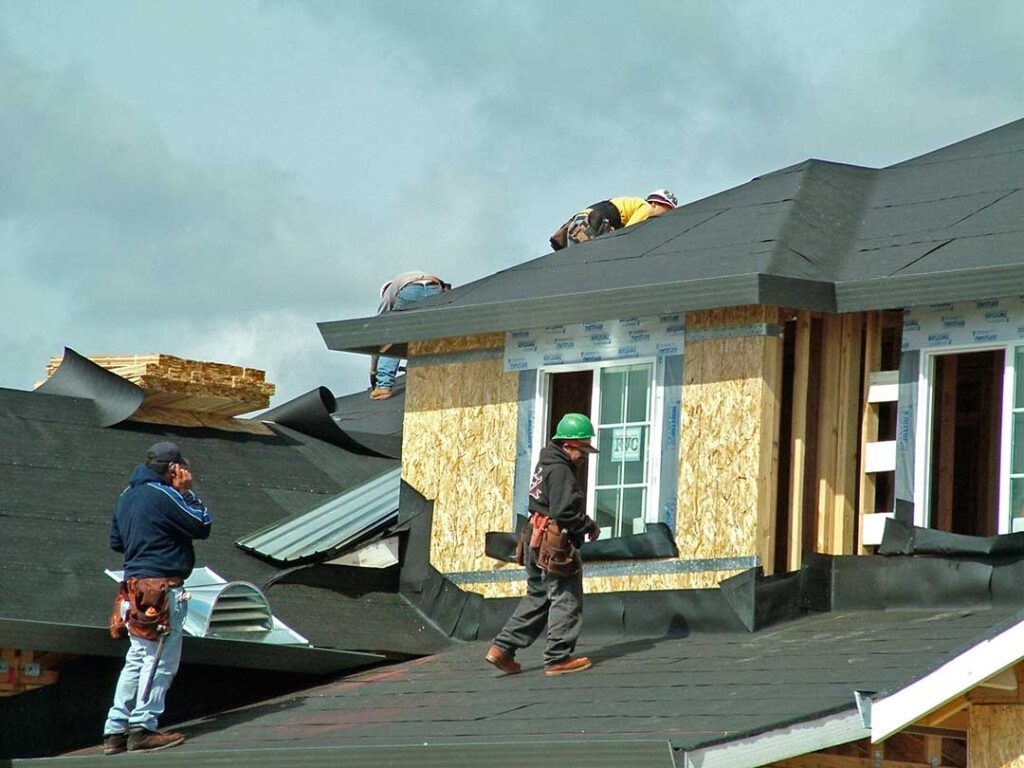
Roof work becomes hazardous when it involves steep slopes, icy surfaces, fragile materials, electrical lines, or walking near an unprotected edge. If a task requires stepping onto the roof, working in poor weather, or repairing structural damage, safety should take priority over saving time.
In Greene, NY, roofs must handle changing conditions through the year, including snow, freezing temperatures, spring rain, summer heat, wind, and falling leaves. A simple inspection routine in spring and fall can reveal problems before they become interior damage.
How often should a roof be inspected?
A roof should receive a basic visual check at least twice a year, preferably in spring and fall. Additional checks are useful after heavy wind, strong storms, extended snow cover, or a major temperature change.
A ground-level inspection can include:
- Missing, lifted, curled, or cracked shingles
- Dark areas that may indicate moisture or surface deterioration
- Exposed fasteners or gaps around roof penetrations
- Sagging sections along the roofline
- Damaged flashing near chimneys, vents, skylights, and walls
- Excessive moss, algae, or debris
- Granules collecting in gutters or at downspout outlets
Binoculars can make this inspection safer and more thorough. Looking from the ground does not replace a close inspection, but it can help identify changes that deserve attention.
What should be checked in the attic?
The attic often shows roof problems before the living area does. Inspect it during daylight hours with a flashlight, avoiding contact with electrical wiring and unstable surfaces.
Look for:
- Damp insulation or water stains
- Darkened wood around roof penetrations
- Dripping or damp areas after rain
- Frost or excess condensation during cold weather
- Mold-like growth caused by persistent moisture
- Daylight visible through the roof deck
- Compressed or missing insulation near eaves
A water stain does not always appear directly below the leak. Water can travel along roof decking, rafters, or insulation before reaching the ceiling. A stain that looks old may still indicate an active problem, especially if it grows after wet weather.
Condensation can also be mistaken for a roof leak. Poor attic ventilation, blocked soffit vents, or excessive indoor humidity may allow warm, moist air to collect beneath the roof. Bathroom and kitchen exhaust fans should vent outdoors rather than into the attic.
How can gutters and downspouts protect the roof?
Clean gutters help move water away from the roof edge, siding, foundation, and attic areas. Clogged gutters can cause water to back up beneath shingles or overflow against exterior walls.
Check gutters in spring and fall, and again after nearby trees shed leaves. Remove debris only from a stable ladder placed on firm ground. Never reach too far sideways or stand on the top step.
Downspouts should discharge water far enough away from the foundation to prevent pooling. Extensions may be useful where the ground slopes toward the house. During freezing weather, watch for heavy ice buildup, detached gutters, or large icicles along the eaves.
Ice dams are often connected to uneven roof temperatures and heat escaping into the attic. Clearing snow from the roof may reduce immediate weight, but chopping ice with a tool can damage shingles and flashing. Prevention usually depends on proper insulation, air sealing, and balanced ventilation.
Should moss or algae be removed from shingles?
Moss should not be ignored because its roots can lift or loosen shingle edges. It also holds moisture against the roof surface. Algae may create dark streaks without causing the same physical damage, but heavy growth can signal damp, shaded conditions.
Avoid pressure washing a shingle roof. High-pressure water can remove protective granules and force water beneath the roofing material. Scraping aggressively can cause similar damage.
Light surface growth may sometimes be treated with a roof-safe cleaning method, but the roof’s slope, material, age, and nearby landscaping all matter. Any treatment should avoid damaging plants, painted surfaces, metal components, and rainwater collection systems.
Branches that touch or overhang the roof should be addressed carefully. They can scrape granules from shingles, drop debris into gutters, and provide a path for animals. Tree trimming near a roof may require additional caution if branches are large, unstable, or close to utility lines.
What should be done before winter?
Before snow and ice arrive, confirm that gutters are flowing, downspouts are attached, and roof penetrations appear intact. Check attic insulation and ventilation if the home has recurring ice buildup or condensation.
Also inspect:
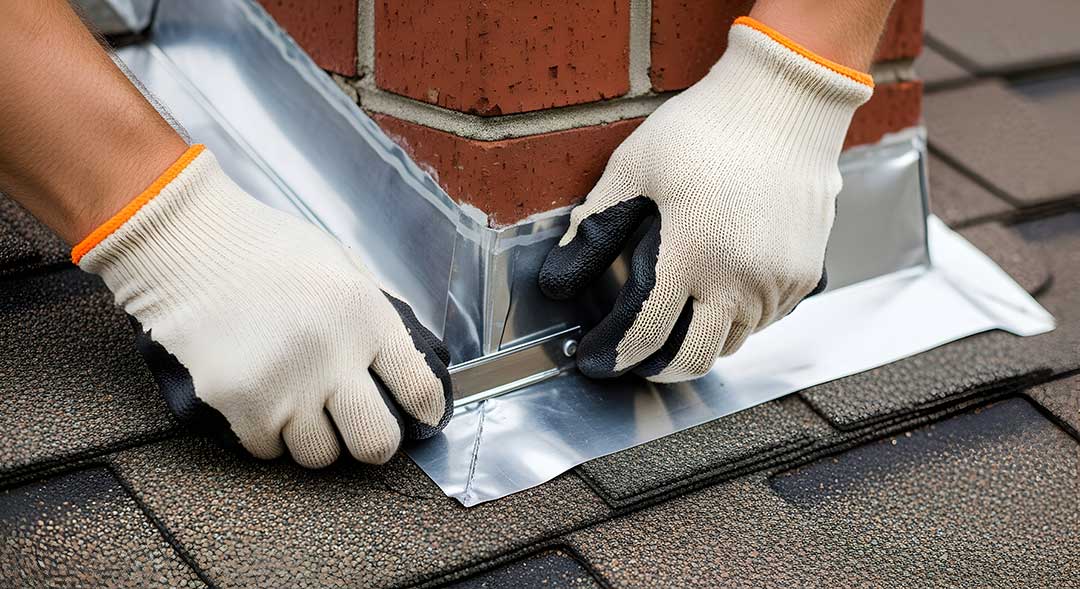
- Chimney flashing and masonry joints
- Rubber seals around plumbing vents
- Skylight edges and surrounding shingles
- Areas where roof sections meet walls
- Loose metal flashing
- Attic access covers and weatherstripping
Snow should not be routinely removed by walking on the roof. Wet or frozen roofing surfaces are unusually slippery, and hidden weak areas may not support a person. Roof raking from the ground can be safer, but the tool must be used carefully to avoid damaging shingles, gutters, siding, or overhead wires.
What are common signs that a small issue is becoming serious?
A single missing shingle may allow water to reach the underlayment or roof deck. Repeatedly finding shingles in the yard after windy weather suggests a broader attachment or age-related problem.
Other warning signs include:
- A ceiling stain that returns after drying
- Paint bubbling near an exterior wall or ceiling
- A musty odor in an attic or upper room
- Sagging roof decking
- Shingles that are losing large amounts of granules
- Flashing that is separated from a wall or chimney
- Water entering around a vent, skylight, or chimney
Temporary measures, such as placing a container beneath a drip or covering a limited area from a safe position, can help reduce interior damage during bad weather. They should not be treated as permanent repairs. Roof leaks often spread beyond the visible opening.
When is roof work unsafe for DIY maintenance?
DIY maintenance is not appropriate when the roof is steep, wet, icy, unstable, or more than one story above the ground without proper fall protection. It is also unsafe to work near power lines, handle damaged electrical equipment, or walk on roofs made of brittle or easily broken materials.
Professional evaluation is justified when there is structural sagging, widespread storm damage, an active leak that cannot be located, suspected mold from persistent moisture, or damage around a chimney or other difficult penetration. Safety and building-code requirements also matter when repairs involve roof framing, ventilation changes, or replacement of roofing materials.
The most useful maintenance habit is consistent observation. Keeping simple notes and dated photographs can help show whether a stain, shingle defect, or moss patch is changing over time. That information makes it easier to distinguish a minor maintenance issue from a problem that needs prompt attention.
