
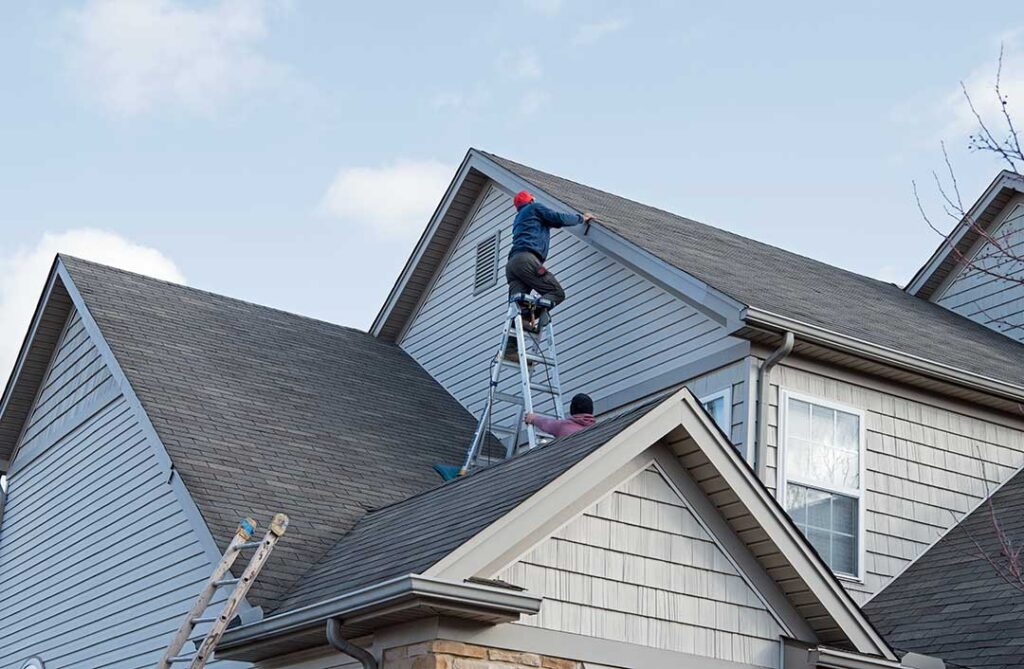
Regular roof maintenance helps prevent small defects from becoming leaks, structural damage, or premature roof replacement. For homes in Greene, NY, routine attention is especially useful because roofs must handle snow, ice, wind, rain, falling branches, and repeated freeze-thaw cycles.
Maintenance does not mean repairing every minor imperfection immediately or replacing a roof before its time. It means observing the roof system, keeping drainage paths clear, identifying developing problems, and addressing conditions before they spread.
Why does regular roof maintenance matter?
Regular maintenance extends the useful life of roofing materials and reduces the chance of unexpected interior damage. A roof can appear sound from the ground while problems are developing around flashing, valleys, vents, chimneys, skylights, or roof edges.
Water rarely enters a home directly below the original defect. It can travel along roof decking, rafters, insulation, and ceiling materials before becoming visible indoors. By the time a brown ceiling mark appears, the underlying issue may have been present for some time.
Routine inspections can help identify:
- Loose, cracked, curled, or missing shingles
- Damaged metal flashing around roof openings
- Blocked or sagging gutters
- Exposed fasteners or deteriorated sealant
- Soft areas in roof decking
- Moss, algae, or persistent organic debris
- Signs of moisture in the attic
- Ice buildup or recurring winter water entry
The goal is not to make a roof look perfect. The goal is to keep the roof shedding water as designed.
How does maintenance help roofs handle Greene’s winters?
Winter conditions can expose weaknesses that were less noticeable during warmer months. Snow adds weight, while ice can form along eaves when heat escapes through the attic and melts snow on the upper roof. The water may refreeze near colder roof edges, creating an ice dam.
Ice dams can force water beneath roofing materials and into the attic or wall assemblies. Repeated freezing and thawing can also enlarge small cracks in flashing, masonry, sealants, and other roof components.
Before winter, useful maintenance tasks include:
- Removing leaves and debris from roof drainage areas
- Checking that gutters and downspouts direct water away from the foundation
- Looking for damaged shingles or exposed underlayment
- Confirming that attic insulation and ventilation have not been disturbed
- Trimming branches that could scrape the roof or fall during a storm
- Examining areas where snow or ice has caused problems in previous years
Roof edges deserve particular attention because they are exposed to runoff, ice, wind, and debris. A blockage in a gutter may cause water to back up beneath the roof edge or spill onto siding and foundation areas.
Does roof maintenance prevent leaks?
Maintenance cannot guarantee that a roof will never leak, but it can reduce common causes of water entry. Leaks often begin at transitions and penetrations rather than in the middle of an otherwise intact roof surface.
Important areas include:
- Chimney and vent flashing
- Plumbing vent collars
- Skylight edges
- Roof valleys
- Dormer intersections
- Gutter and drip-edge areas
- Locations where different roofing materials meet
Sealant is not a permanent substitute for properly installed flashing. Adding layers of caulk over an active leak may hide the symptom temporarily while water continues moving beneath the surface. A careful inspection should determine whether the problem involves a failed seal, displaced flashing, damaged roofing, or moisture entering from another location.
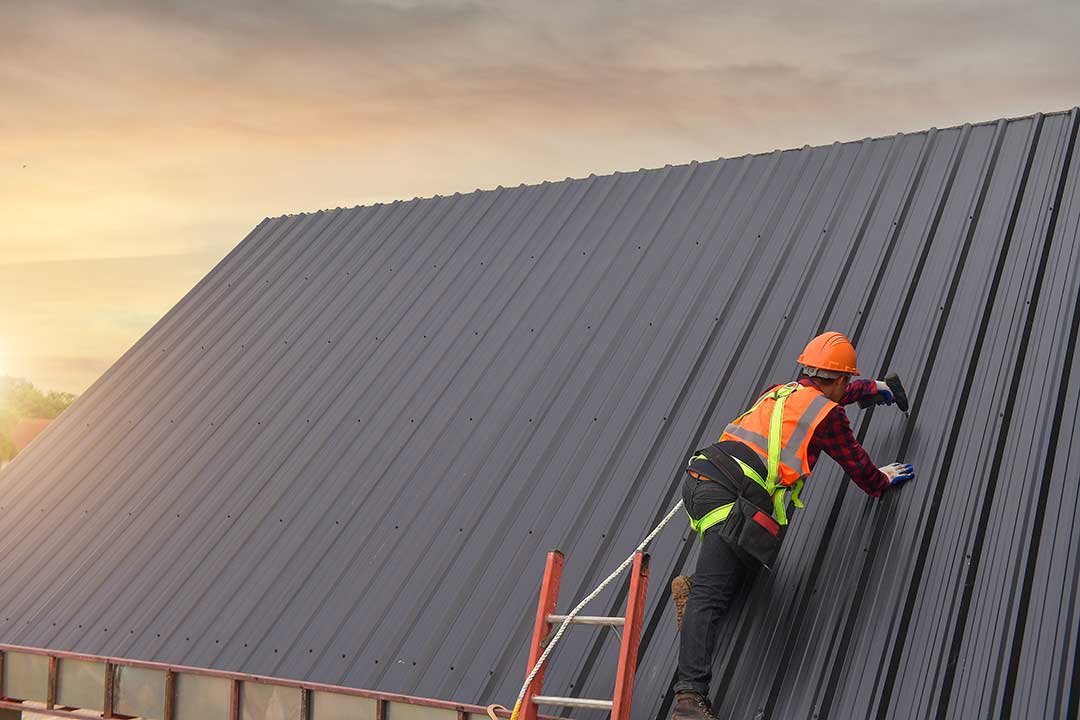
After major wind or hail, a ground-level check can reveal obvious damage. However, walking on a wet, icy, steep, or fragile roof creates a fall risk and may cause additional damage. Unsafe conditions should not be treated as a routine do-it-yourself task.
What role do gutters and drainage play?
A roof depends on drainage components to move water away from the building. Gutters filled with leaves, shingle granules, or ice cannot perform that job effectively.
Poor drainage may contribute to:
- Wet fascia boards and soffits
- Rot at roof edges
- Water staining on exterior walls
- Basement or crawl-space moisture
- Soil erosion near the foundation
- Ice buildup along the eaves
Gutters should be checked in spring and fall, as well as after heavy storms if nearby trees shed branches or debris. Downspouts should remain connected and should discharge water far enough away from the foundation to prevent repeated saturation.
A sagging gutter is not only a drainage issue. It may indicate loose fasteners, deteriorated wood, or excess weight from trapped water and debris.
Can attic maintenance protect the roof?
Yes. The attic provides useful information about how the roof is performing. Dark stains, damp insulation, rusted fasteners, peeling surfaces, or musty odors may indicate roof leakage or condensation.
Attic ventilation and air sealing also influence winter roof conditions. Warm, moist air that escapes into a cold attic can condense on roof sheathing. Uneven insulation or blocked soffit vents can contribute to temperature differences across the roof and increase the likelihood of ice formation.
New York residential construction requirements address ventilation for many enclosed attic and rafter spaces, but existing homes may have older designs, altered insulation, blocked vents, or repairs that changed airflow. Ventilation should not be added randomly; intake and exhaust openings need to work together, and moisture problems may also involve air leakage or insulation placement.
How often should a roof be checked?
A practical schedule is a visual inspection in spring and fall, with additional checks after severe wind, hail, heavy snow, or falling branches. Older roofs and homes surrounded by mature trees may need closer observation.
A maintenance check should consider both the roof covering and the surrounding systems:
- Roof surface and exposed edges
- Flashing and penetrations
- Gutters and downspouts
- Attic moisture and insulation
- Nearby tree limbs
- Interior ceilings and upper walls
- Areas with previous leaks or repairs
The age of the roof matters, but age alone does not determine condition. A well-maintained roof may perform longer than expected, while a newer roof can develop problems after storm damage, poor drainage, installation defects, or changes to attic airflow.
What roof problems should not wait?
Some conditions deserve prompt attention because they can worsen quickly:
- Active dripping during rain or snowmelt
- A ceiling that is bulging or sagging
- Large areas of missing roofing
- A visibly collapsed or sagging roof section
- Water entering near electrical fixtures
- Heavy snow accumulation combined with structural warning signs
- Extensive ice dams or repeated winter leaks
- A tree or large branch resting on the roof
If water is near electrical wiring or fixtures, avoid touching the affected area and address the immediate safety concern first. Roof work during ice, high winds, or unstable snow conditions is hazardous.
Does maintenance make a roof last forever?
No. Maintenance slows deterioration and helps identify when repair or replacement is becoming necessary, but every roofing material has a service life. Sun exposure, ventilation, workmanship, storm history, moisture, and previous repairs all affect performance.
The most useful maintenance record includes inspection dates, observed defects, photographs, repairs, and any recurring leak locations. Keeping these details can help distinguish a new problem from an older one and may reveal patterns, such as water entry after certain wind directions or ice formation in one roof section.
For local households, regular roof care is less about appearance than preparation. A few seasonal checks can help protect insulation, ceilings, walls, belongings, and the structure of the home from preventable moisture damage.
