

Decorative roof lighting can make a home feel welcoming during the darker months, but the work involves ladders, electrical connections, fragile roofing materials, and changing weather. In Greene, NY, cold temperatures, frost, wind, snow, and ice can make a task that seems simple considerably more hazardous.
The safest approach is to keep as much work as possible at ground level, attach lights to sound trim rather than roofing materials, and avoid climbing onto a roof unless the surface is dry, stable, and suitable for foot traffic.
Is it safe to walk on a roof to hang lights?
Usually, roof access is not necessary for standard eave or gutter lighting. Many light strings can be installed from a properly positioned ladder using clips designed for gutters, fascia, or shingles.
Walking on a roof becomes more dangerous when:
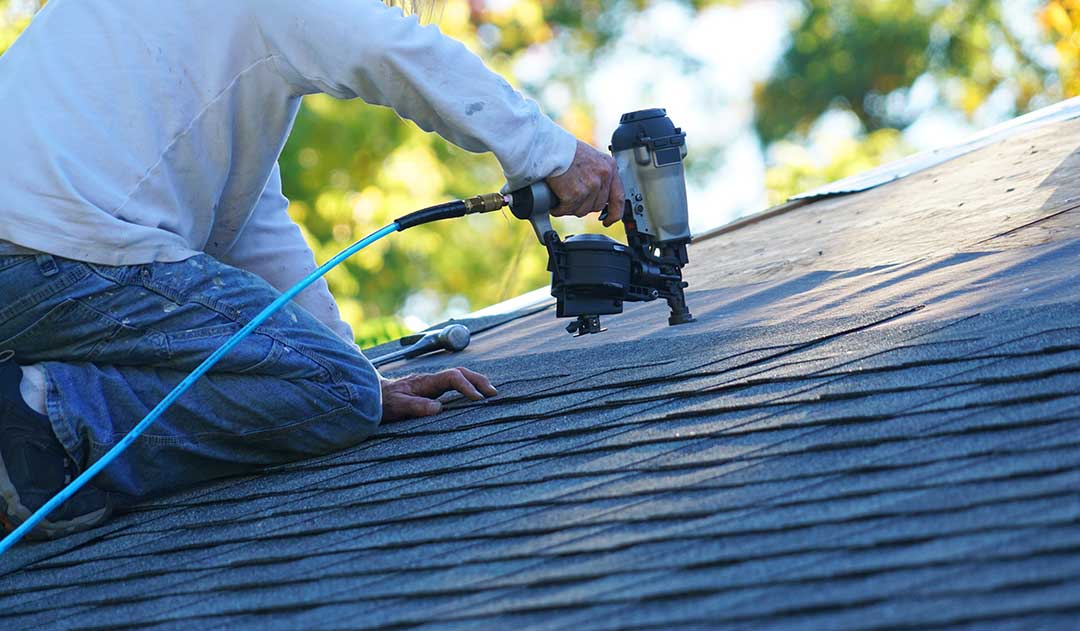
- Shingles are wet, frosted, icy, or covered with leaves
- The roof has a steep slope
- The surface is brittle, loose, or visibly damaged
- The roof edge is more than one story above the ground
- Snow or ice is present near the eaves
- Wind makes the ladder or light strings difficult to control
Asphalt shingles can also lose protective granules when stepped on repeatedly. Older roofing may crack, curl, or become slippery, particularly during cold weather. If lights cannot be installed without climbing onto a steep or unstable roof, changing the lighting design is safer than taking unnecessary risks.
What should be checked before hanging outdoor lights?
Inspect the lights, cords, roof edge, gutters, and mounting areas before setting up a ladder.
Use light strings marked for outdoor use. Indoor-only lights may not have suitable weather protection. Discard sets with cracked sockets, exposed wires, damaged insulation, loose connections, or signs of overheating.
Check the roof and trim for:
- Loose or missing shingles
- Sagging gutters
- Rotten fascia or soffit material
- Loose downspouts
- Exposed nails or sharp metal edges
- Ice buildup or unstable snow
- Branches that may strike the lights during wind
Avoid attaching lights to damaged gutters, loose shingles, chimney caps, vents, skylights, or other components that are not designed to carry a load. Lights should be supported by firm trim or approved clips rather than staples, nails, or screws driven through roofing materials.
How should a ladder be positioned?
A ladder should stand on firm, level ground away from snowbanks, ice, mud, and sloped landscaping. Do not place a ladder on top of boxes, buckets, stairs, decking, or other objects to gain height.
For an extension ladder:
- Use the correct length for the work.
- Set it at approximately a one-to-four angle: the base should be about one foot away from the wall for every four feet of ladder height.
- Extend the side rails above the roof edge if the ladder is being used to step onto the roof.
- Secure the ladder at the top or have another adult stabilize it when practical.
- Face the ladder while climbing.
- Maintain three points of contact—two hands and one foot, or two feet and one hand.
- Keep the belt buckle between the side rails and avoid leaning sideways.
- Move the ladder instead of stretching or “walking” it while occupied.
A helper can pass up light strings, clips, and tools, but a helper should not be expected to catch someone who loses balance. Do not carry bulky items while climbing. A small tool pouch or rope-and-bucket system keeps both hands available.
Which attachments protect the roof?
Use removable clips made for the location being decorated. Gutter clips, fascia clips, and shingle-tab clips can hold light strings without puncturing the roofing system.
Do not use staples or fasteners that pierce shingles, underlayment, flashing, or the drip edge. Small punctures can allow water to enter over time, even when no leak appears immediately. Do not pinch a cord between a window, door, gutter, or roof component, because compression can damage the insulation.
Keep clips evenly spaced so the light string does not sag heavily between attachment points. Avoid pulling the string tight. A little flexibility allows the lights to move with wind and reduces strain on sockets and connections.
Never hang lights from a chimney flue, plumbing vent, antenna, satellite equipment, or electrical service cable. Power lines require special caution; ladders, poles, and light strings must remain well away from them.
How can electrical risks be reduced?
Outdoor lights should be connected to a weather-protected outlet with ground-fault circuit-interrupter protection. This type of protection can shut off power when electricity begins flowing through an unintended path, such as moisture or a damaged cord.
Before plugging in the lights:
- Follow the manufacturer’s instructions for connecting sets.
- Avoid overloading an outlet or power strip.
- Keep plugs and connections elevated from snow, puddles, and wet ground.
- Use outdoor-rated extension cords when an extension cord is needed.
- Keep cords away from walkways, driveways, plow paths, and areas where shovels or snow blowers may contact them.
- Do not run cords under rugs or through pinch points.
- Turn the lights off before sleeping or leaving the home.
LED lights generally produce less heat and use less electricity than older incandescent sets, but they still require inspection and proper outdoor installation. Lower heat does not make damaged wiring safe.
What should Greene residents do in cold or snowy weather?
Wait for a dry, calm day. Frost can be difficult to see and may make both shingles and ladder feet slippery. Wind can turn a long light string into a moving load, pulling the ladder sideways or causing someone to lose balance.
Do not install lights during freezing rain, active snowfall, strong wind, or rapidly changing conditions. If snow is already on the roof, do not climb onto it to reach the eaves. Snow can conceal weak spots, ice, skylights, roof edges, and damaged materials.
After installation, check the lights again following heavy wind or snow. Look for pulled clips, sagging sections, damaged cords, or a gutter that appears to be bending under the load.
When should roof-light installation be left undone?
The work should stop if the ladder cannot be placed securely, the roof is slippery, power lines are nearby, or the lighting plan requires walking across a steep or damaged surface.
Extra caution is also warranted for homes with tall rooflines, multiple stories, fragile roofing, difficult terrain, or limited access around the foundation. A safer alternative may be decorating porch railings, lower trim, shrubs, windows, or ground-level landscape features instead of the roof edge.
A simple lighting arrangement installed from stable ground is usually safer than a more elaborate design that requires roof access. Protecting the roof from punctures and avoiding falls should take priority over reaching every peak, dormer, or upper gable.
