
What should be documented after roof damage?
After a storm, document the roof, interior damage, damaged belongings, and any steps taken to prevent further loss. Clear photos, written notes, receipts, and copies of insurance communications can help establish what happened and when.
In Greene, NY, roof problems may follow heavy snow, ice buildup, wind, fallen branches, hail, or repeated freeze-thaw cycles. Damage is not always obvious from the ground. Missing shingles may be easy to see, while lifted edges, punctures, flashing problems, or water entry may only become apparent after the weather changes.
Before documenting anything, make sure the area is safe. Do not climb onto a wet, icy, steep, or visibly unstable roof. Use ground-level photos, windows, or a safe vantage point whenever possible.
What should be photographed first?
Begin with wide photographs that show the entire property and the roof’s general condition. Then take closer images of specific damage.
Useful photographs include:
- The home from each side
- Roof sections visible from the ground
- Missing, curled, cracked, or displaced shingles
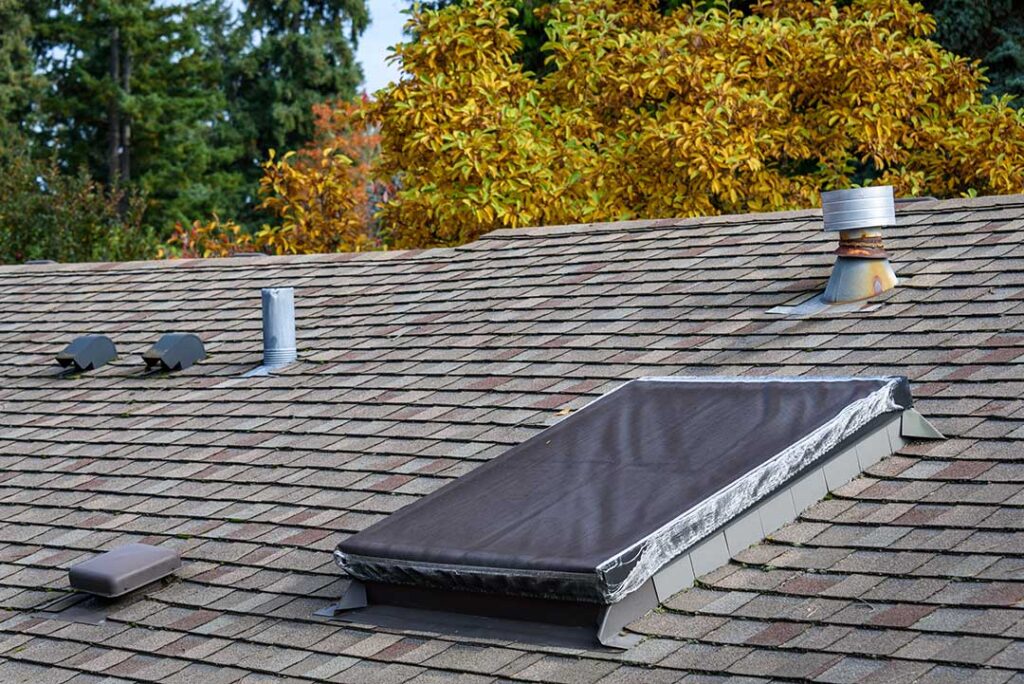
- Damaged flashing around chimneys, vents, skylights, and roof edges
- Fallen branches, ice, or other objects that caused an impact
- Gutters, downspouts, siding, windows, and exterior walls
- Water stains, bubbling paint, or damaged ceilings indoors
- Attic insulation, rafters, decking, and ventilation areas if safely accessible
- Damaged furniture, electronics, flooring, clothing, and other belongings
Take several images of each affected area. A close-up can show the defect, while a wider photograph helps identify where the damage is located. Include an undamaged nearby section when possible for comparison.
Most phones automatically record the date and time of a photograph. Avoid editing or applying filters to original files. Keep the original images and create a backup in secure cloud storage, on a computer, or on a separate drive.
How can photographs make the damage easier to understand?
Photographs are more useful when they show scale, location, and cause. Place a ruler or another ordinary object near a small puncture or crack, but do not touch unstable materials. Photograph the same area from more than one angle.
For roof damage, include details such as:
- The approximate roof slope or section affected
- The number of visibly damaged shingles or panels
- Whether materials are missing, lifted, torn, cracked, or punctured
- Any exposed underlayment, roof decking, or fasteners
- Where water entered the home
- Whether damage appears connected to a tree, branch, ice, hail, or wind
A short video can also help show active dripping, water movement, loose materials, or the extent of interior damage. Narrate the date, room, and condition without guessing about the insurance outcome or making technical conclusions.
What written information should accompany the photos?
Create a simple loss record as soon as conditions are safe. Write down:
- The date and approximate time the damage was discovered
- The weather or event that may have caused it
- Which parts of the home were affected
- When water entry or other symptoms first appeared
- Actions taken to protect the home
- Items that were damaged or removed
- Names, dates, and summaries of conversations with the insurer
- Claim numbers, inspection dates, and documents submitted
Avoid describing uncertain causes as established facts. For example, “water stain appeared on the bedroom ceiling after the storm” is more useful than stating that a particular roof defect definitely caused the stain before an inspection has occurred.
Keep a chronological file, either on paper or digitally. Save photographs, videos, emails, letters, claim forms, inspection reports, receipts, and notes in one place.
Should damaged materials and belongings be thrown away?
Do not discard damaged property before photographing it and checking the insurer’s instructions, unless leaving it in place creates a health or safety hazard. Moldy materials, soaked insulation, broken glass, and unstable debris may require prompt handling.
If an item must be removed, photograph it first from several angles. Keep a small sample, label the item, or record its measurements and identifying information when practical. Note why it had to be discarded and the date it was removed.
For belongings, record the item’s description, approximate age, purchase price if known, condition before the loss, and current replacement information. Receipts, manuals, warranties, appraisals, photographs, and bank or credit-card records may help establish ownership and value.
What temporary repairs are reasonable?
Temporary repairs are generally intended to prevent additional damage, not to complete permanent restoration. Examples may include placing containers under a leak, covering an opening from a safe position, removing water from floors, or arranging emergency protection for exposed areas.
Keep receipts for materials, drying equipment, emergency labor, lodging, storage, or other reasonable expenses. Photograph the condition before and after temporary work. Do not make permanent repairs, replace large sections of roofing, or remove evidence of the loss before the insurer has had a reasonable opportunity to inspect, unless immediate action is necessary for safety or to prevent more damage.
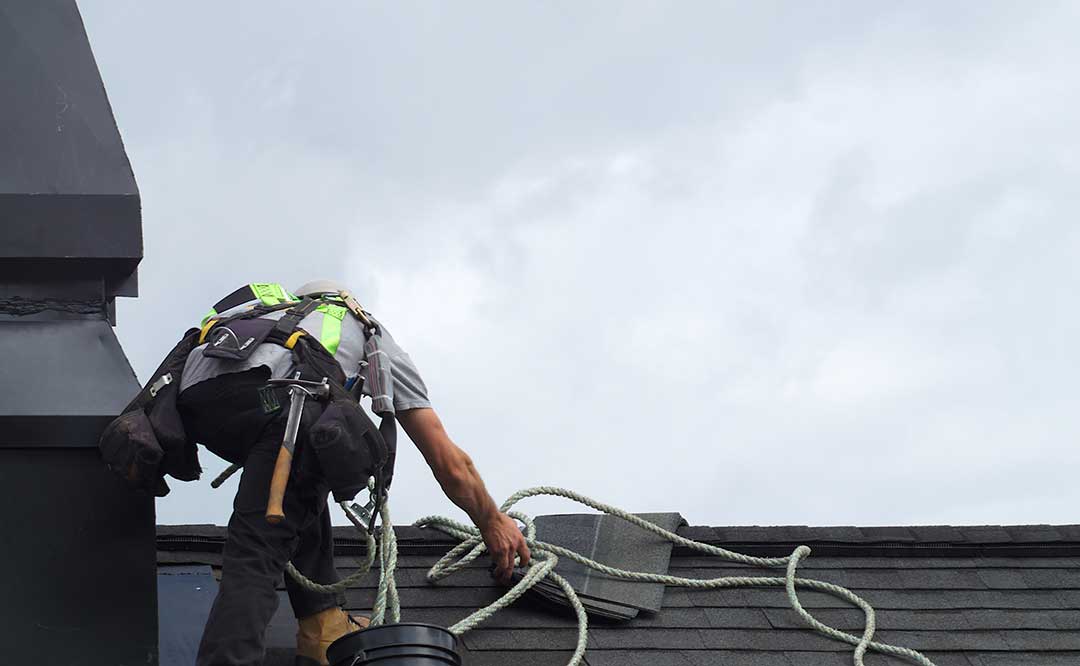
A temporary covering should never create a climbing hazard or be installed in dangerous weather. Roof access is particularly risky during snow, ice, high winds, and wet conditions common during seasonal storms.
What insurance details should Greene, NY homeowners check?
Review the policy before assuming a roof loss is covered. Policies differ in how they treat wind, hail, falling objects, water intrusion, wear and tear, maintenance issues, deductibles, depreciation, and matching materials.
Pay attention to:
- The deductible that applies to the loss
- Whether the settlement uses replacement cost or actual cash value
- Special windstorm or other event-related deductibles
- Limits for temporary living expenses or personal property
- Duties to prevent further damage
- Deadlines for reporting the loss or submitting documents
- Exclusions involving aging, deterioration, insects, rot, or poor maintenance
A homeowners policy commonly distinguishes sudden storm damage from long-term deterioration. A roof that leaks after years of aging may not be treated the same way as a roof damaged by a single covered event. Documentation showing the roof’s prior condition, maintenance, repairs, and approximate age can help clarify the timeline.
Flooding is also treated differently from ordinary roof leakage. Water entering because of rising or surface floodwater may require separate flood insurance coverage rather than relying on a standard homeowners policy.
When should the claim be reported?
Notify the insurer promptly after discovering significant damage, while continuing to document conditions and prevent further loss. Ask what forms, photographs, estimates, receipts, and other records are required.
During every conversation, record the date, time, name of the representative, and key instructions. After an inspection or phone call, write a short summary for the file. If instructions are unclear, request them in writing.
An insurance adjuster’s inspection does not replace the homeowner’s own documentation. Continue photographing newly discovered damage, changes in moisture, temporary repairs, and damaged belongings. Do not assume that a lack of visible damage from the ground means the roof is unaffected.
What common documentation mistakes should be avoided?
Several mistakes can make a claim record less complete:
- Photographing only close-ups without showing where damage is located
- Cleaning up before taking pictures
- Discarding damaged belongings without recording them
- Failing to save original photo files
- Guessing about the cause or age of damage
- Relying on memory instead of written notes
- Losing receipts for temporary repairs
- Making permanent repairs before inspection when waiting would be safe
- Ignoring interior damage because the roof problem seems minor
- Treating an insurance estimate as proof that every damaged item has been included
A complete record does not guarantee coverage or payment, but it gives the insurer clearer information about the event, the affected property, and the steps taken afterward.
