
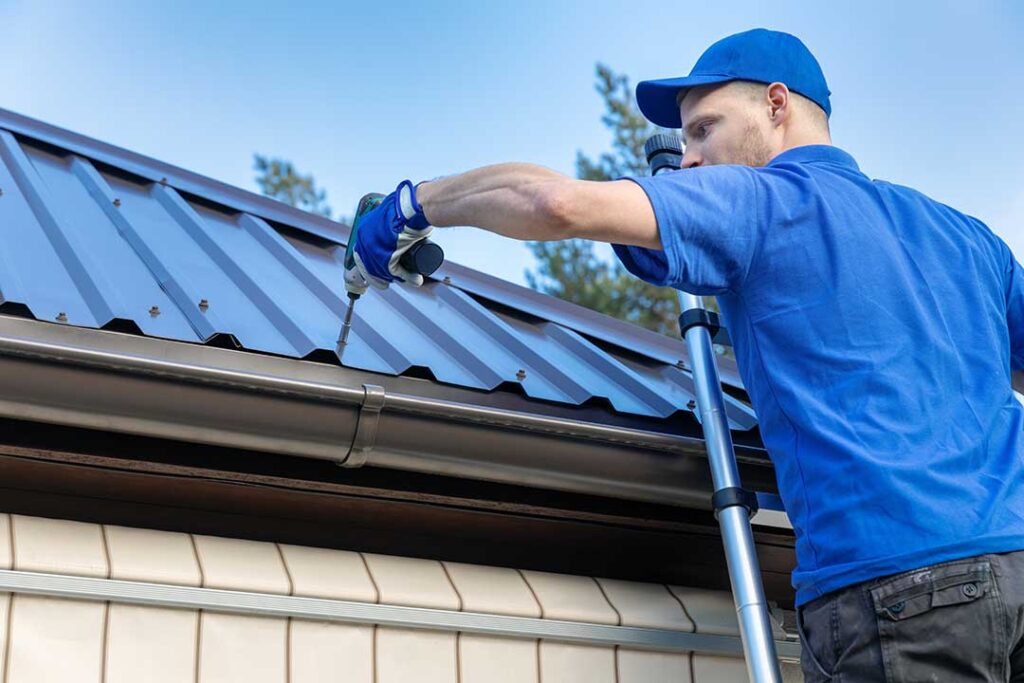
Solar panels can be a sensible long-term improvement, but the roof beneath them deserves careful attention first. For homeowners in Greene, NY, the decision involves more than sunlight and electricity use. Roof age, snow, ice, drainage, structural capacity, access, and future repairs all affect whether a rooftop solar system is a good fit.
Is the existing roof ready for solar panels?
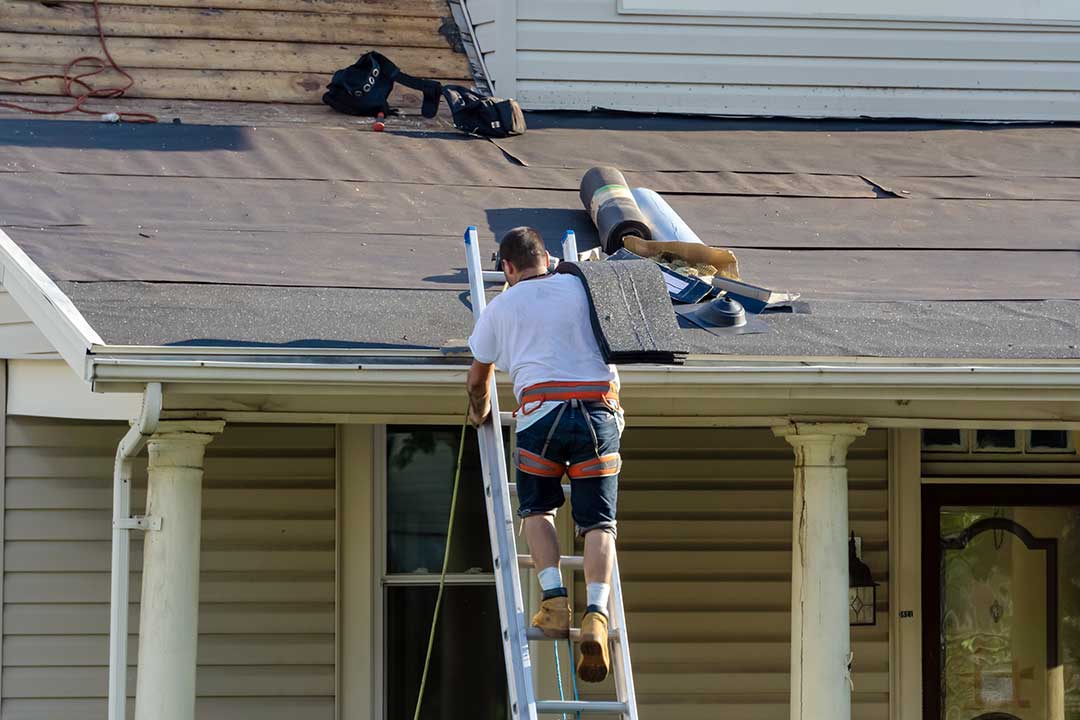
A roof should be in sound condition before panels are installed. Solar equipment can remain in place for decades, while many asphalt-shingle roofs have a shorter expected service life. Installing panels on an aging roof may create an expensive problem later because the array and its mounting hardware generally need to be removed before roofing work can be completed.
Look for signs that the roof may need attention first:
- Curling, cracked, loose, or missing shingles
- Granule loss collecting in gutters
- Soft areas or visible sagging
- Repeated leaks or water stains in the attic
- Damaged flashing around chimneys, vents, and roof edges
- Moss or organic growth that has begun lifting roofing materials
- An installation history that is unclear or poorly documented
Roof age matters, but age alone does not determine condition. A roof that is relatively new may still have ventilation or flashing problems, while an older roof may appear sound but have limited remaining service life. The roof deck, framing, underlayment, and drainage details should all be considered.
If a roof is likely to be replaced within the next several years, completing that work before installing solar can avoid the cost and disruption of removing and reinstalling the system.
Can a roof support the additional weight?
Most sound residential roofs are designed to carry normal roofing materials and environmental loads, but solar panels and mounting equipment still add weight. The mounting system also transfers forces into the roof structure, especially during high winds and winter conditions.
In Greene, seasonal snow and ice deserve specific attention. Panels do not eliminate the roof’s responsibility to handle snow loads. Snow can collect between or below panel rows, slide suddenly from smooth surfaces, or create concentrated loads near roof edges and lower sections. The roof structure, panel layout, racking, and snow-retention strategy should be evaluated together.
A structural review becomes especially important when a home has:
- Older framing or visible roof movement
- Previous storm or water damage
- A low-slope roof with unusual construction
- Additions, dormers, or multiple roof levels
- Heavy existing roofing materials
- Large planned panel coverage
- Attic alterations that may have cut or weakened framing
Structural questions are not limited to whether the roof will “hold the panels.” The system must also remain secure under wind, snow, temperature changes, and long-term movement.
How do roof shape and sunlight affect the decision?
Solar production depends on usable roof area, orientation, pitch, shade, and the location of vents or other rooftop features. A large roof is not automatically a good solar roof if much of it faces away from useful sunlight or is shaded by trees.
A proper evaluation should account for:
- Shade from mature trees, neighboring structures, chimneys, and dormers
- Roof planes that receive different amounts of sunlight
- Seasonal changes in shading as the sun’s angle changes
- Roof sections that are too narrow or interrupted by vents
- The safest and most practical locations for electrical equipment
- Required clear paths for firefighters and roof access
Trees can create a complicated tradeoff. Removing or heavily trimming established trees may increase solar production, but it can also affect shade, drainage, privacy, and the property’s appearance. Future tree growth should be considered rather than relying only on a single sunny-day observation.
What happens to roof flashing and waterproofing?
Solar panels are attached through a racking system that must be secured to the roof structure. The attachment points need proper flashing and weatherproofing so that water is directed away from penetrations rather than into the roof assembly.
Poorly placed or improperly sealed attachments can lead to leaks that may not appear immediately. Water can travel along rafters or roof decking before becoming visible inside the home, making the original entry point difficult to identify.
Extra care is needed around:
- Roof valleys
- Chimneys and plumbing vents
- Skylights
- Eaves and rakes
- Existing flashing
- Areas where snow or ice may collect
The panel layout should leave enough room to inspect vulnerable roof features and maintain drainage. Covering every available section of roof may not be practical if it makes future repairs difficult.
Will solar panels create roofing problems in winter?
Solar panels do not automatically cause leaks, ice dams, or structural damage. However, they can change how snow, ice, and water move across a roof.
Snow may slide from panels in large sheets, creating a hazard over doors, walkways, vehicles, decks, or lower roofs. In some locations, snow guards or changes to the array layout may help control this movement. Those measures must be selected for the roof design and expected snow conditions.
Ice dams are usually associated with heat loss, inadequate insulation, poor attic ventilation, and roof geometry. Panels are not a substitute for correcting those conditions. If a home has a history of ice dams, the attic and roof assembly should be reviewed before solar is added.
Homeowners should also avoid climbing onto panels or using sharp tools to remove snow. Scraping can damage the glass, wiring, roof surface, or mounting equipment. Snow removal, if truly necessary, should be handled with methods that do not create a fall or electrical hazard.
What permits and inspections are involved?
Rooftop solar work generally involves more than electrical wiring. In New York, rooftop photovoltaic systems must meet applicable building, electrical, fire, and structural requirements. Permits and inspections help verify that the installation meets those standards.
Requirements can include:
- Building and electrical permits
- Structural information for the roof and mounting system
- Required roof access and firefighter pathways
- Clearances around roof edges and obstructions
- Equipment labeling and emergency shutoff provisions
- Final inspections after installation
Local requirements can vary, so property owners should verify the current process with the authority responsible for permits in Greene before work begins. Permit approval does not replace a careful review of the roof’s condition; it addresses code compliance, not every long-term maintenance concern.
What should homeowners ask before approving a project?
A clear written plan should address both the solar system and the roof. Useful questions include:
- What is the roof’s estimated remaining service life?
- How will roof penetrations be flashed and sealed?
- Where will panels, inverters, wiring, and disconnects be located?
- How will snow shedding be managed near entrances and lower roofs?
- Will vents, chimneys, and roof drainage remain accessible?
- What happens if a roof leak develops under the array?
- Who is responsible for removing and reinstalling panels during future roof work?
- What records, diagrams, warranties, and inspection documents will be provided?
It is also wise to photograph the roof and attic before installation and keep copies of permits, layout drawings, equipment information, and maintenance records. These documents can be useful for future repairs, insurance questions, or a home sale.
Is solar right for every roof?
No. A roof may be unsuitable because of age, shade, structural limitations, complicated geometry, repeated moisture problems, or the likelihood of near-term replacement. Ground-mounted or community-based options may be more practical in some situations, although those alternatives have their own site, ownership, and permitting considerations.
The most reliable decision starts with the roof rather than the equipment. A sound, well-drained, accessible roof with useful sunlight provides a stronger foundation for solar than a roof selected only because it has open space.
