
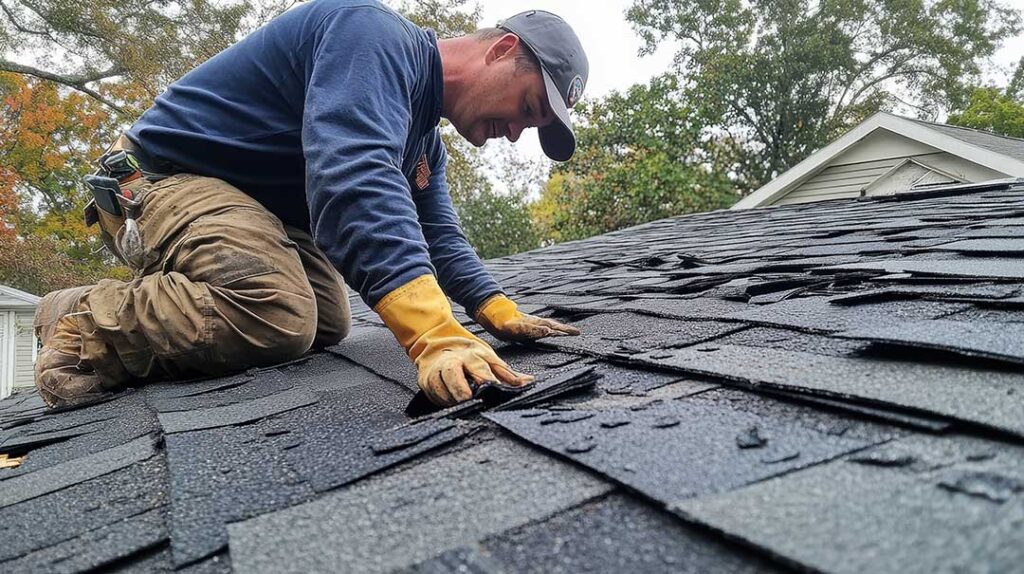
Sports balls can damage roofing materials even when the damage is not immediately visible. A baseball, softball, lacrosse ball, hockey ball, soccer ball, or basketball can crack shingles, loosen protective granules, bend flashing, or create a small opening that later allows water into the roof system.
For households in Greene, NY, the risk is most common around homes near backyards, driveways, schoolyards, recreational areas, and informal practice spaces. Damage can happen during ordinary play, especially when a ball is thrown or kicked toward a roof at close range.
Can a sports ball really damage a roof?
Yes. The outcome depends on the ball’s weight, speed, material, and point of impact, along with the type and condition of the roofing material.
A soft inflatable ball usually causes little or no lasting damage. A baseball or lacrosse ball, however, is dense and hard enough to bruise asphalt shingles or break brittle roofing components. A direct hit to a roof edge, ridge cap, vent, or flashing may be more serious than a hit to the middle of a shingle.
Older roofs can be more vulnerable because years of sun, freezing temperatures, wind, and moisture may have reduced the flexibility of the shingles. A roof that looks acceptable from the ground may still have weakened areas that do not tolerate impact well.
Which parts of a roof are most vulnerable?
The most exposed areas are not always the broad, flat sections of shingles. Roof components with seams, edges, or rigid materials often sustain the most noticeable damage.
Common impact points include:
- Asphalt shingles, especially along exposed edges or previously lifted areas
- Ridge caps at the peak of the roof
- Metal flashing around chimneys, walls, skylights, and roof transitions
- Plumbing vent covers and other roof penetrations
- Plastic or metal exhaust vents
- Gutters, downspouts, and gutter covers
- Roof windows, skylights, and older translucent panels
- Siding, soffits, and fascia near the roofline
A ball striking a vent or flashing can cause a leak even if the surrounding shingles remain intact. Damage to a gutter may not create an immediate roof leak, but it can interfere with drainage and contribute to water spilling against the house.
What does impact damage look like?
Some damage is obvious, while other problems are easy to overlook from the ground. Signs may include a missing shingle, a visible crack, a dented vent, or granules scattered below a particular area.
Possible warning signs include:
- A shingle that is split, folded, bruised, or partly detached
- A dark mark or indentation on the surface of a shingle
- Granules collecting in the gutter or on the ground after an impact
- A bent or cracked vent cover
- New dents in metal flashing or gutters
- Water stains on an attic surface or ceiling
- Damp insulation, musty odors, or moisture near a roof penetration
- Daylight visible through a roof deck from inside the attic
A bruise in an asphalt shingle may not look like a hole. The impact can fracture the mat beneath the surface while leaving the top coating mostly in place. Over time, water can work into the damaged area, especially during repeated rain, snowmelt, or freeze-thaw cycles.
Can a ball cause a roof leak immediately?
It can, but not always. A direct hit may puncture a membrane, break a vent, or dislodge a shingle enough to expose the roof deck. In other cases, the damage only reduces the roof’s weather resistance, and leakage begins during a later storm.
A delayed leak is common when impact damage occurs near flashing or a penetration. Water may enter above the visible ceiling stain and travel along rafters, roof decking, insulation, or framing before appearing indoors. For that reason, the location of an interior stain may not match the location of the original impact.
Snow and ice can make the problem harder to identify during winter. A damaged area may remain unnoticed until melting water finds the opening.
Are newer roofs protected from sports ball damage?
Newer roofing materials are generally more flexible and intact, but no standard residential roof is immune to a hard, direct impact. Manufacturers may offer impact-resistance ratings for certain roofing products, but those ratings do not mean the roof cannot be damaged by a baseball or similar object.
Impact resistance is also different from wind resistance, hail resistance, and fire resistance. A roof selected for one type of hazard may not perform the same way against another. The roof’s age, installation quality, temperature, and previous damage all affect the result.
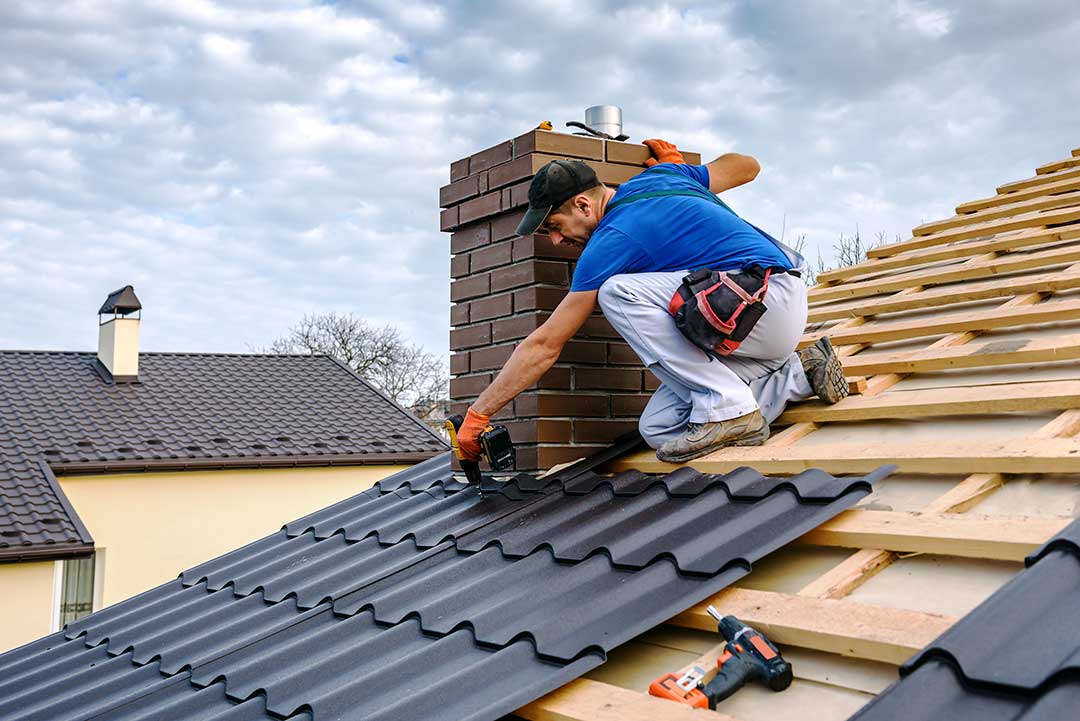
Cold weather can make some materials less flexible. In Greene, winter conditions may increase the chance that a hard impact causes cracking or breakage rather than only a temporary dent.
How should a homeowner check for damage safely?
Ground-level observation is the safest first step. Look for displaced shingles, unusual dark spots, scattered granules, dents, or damaged roof accessories. Checking the attic from inside can also help reveal daylight, moisture, or disturbed insulation.
Avoid climbing onto the roof to inspect a suspected impact area. Shingles can be slippery, and a damaged roof may be less stable than it appears. Walking on shingles can also create additional damage, particularly in cold weather or on older roofs.
If water is actively entering the home, place a container beneath the drip and move furniture or belongings away from the affected area. Electrical fixtures near water should be treated as a safety concern. A roof opening, broken skylight, or damaged vent may require prompt attention to limit interior damage.
Does a sports ball always require roof repair?
No. A ball may bounce off without leaving meaningful damage, particularly if it strikes a sound, flexible area of the roof. Repair decisions should be based on the condition of the roofing material and whether the roof’s water-shedding function has been affected.
A minor surface mark may only need monitoring. A cracked shingle, exposed underlayment, broken flashing seal, or damaged vent is more likely to require corrective work. Replacing one affected component may be enough, but multiple impacts or widespread brittleness can indicate a larger maintenance issue.
Photographs from the ground, notes about when the impact occurred, and records of any later water stains can help clarify what happened.
How can sports-related roof damage be reduced?
The simplest prevention measure is to place ball play away from the house and roofline. A designated practice area with enough open space reduces the chance that a ball will travel toward roofing, windows, vehicles, or neighboring property.
Other practical steps include:
- Using softer practice balls near buildings
- Avoiding high-velocity throwing or batting beside the house
- Positioning portable goals and nets away from roof edges
- Keeping ladders, play structures, and climbing equipment away from eaves
- Trimming branches that could redirect or trap balls against the roof
- Checking vulnerable vents, skylights, and gutters during routine seasonal inspections
- Watching for damage after organized games or repeated backyard practice
The goal is not to eliminate ordinary outdoor play. It is to recognize that dense, fast-moving objects can affect a roof much like hail or falling debris, particularly when the roof is older or already weathered.
When is roof inspection especially important?
An inspection becomes more important after a hard impact near a roof penetration, after a visible shingle or flashing failure, or whenever interior moisture appears. It is also sensible to look more closely after repeated ball strikes in the same area.
Safety concerns justify assistance when the roof is steep, wet, icy, visibly unstable, or difficult to access. A damaged roof should not be examined by climbing onto it simply to confirm a suspected problem.
For most homeowners, the useful first question is not whether the ball caused a visible hole. It is whether the impact changed the roof’s ability to keep water out. Even a small defect can become more significant after rain, snow, and repeated freezing and thawing.
