
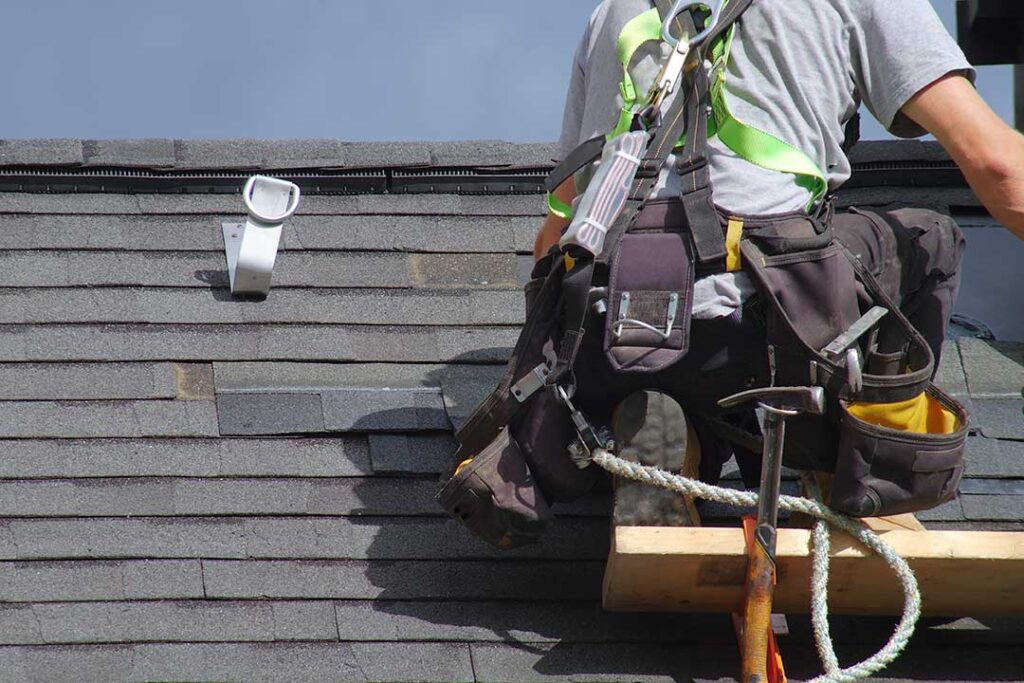
Rain on a roof is normal, but the sound can become surprisingly loud inside a home. The noise is usually caused by a combination of roofing material, attic construction, insulation, ceiling finishes, gutters, and loose or vibrating components.
In Greene, NY, homes may experience long periods of rain, thunderstorms, wet snow, and freeze-thaw cycles. These conditions can make roof noise more noticeable, especially in bedrooms, finished attic rooms, and upper-floor living spaces.
Why does rain sound loud on some roofs?
Rain noise travels through the roof covering, roof sheathing, attic space, ceiling, and interior surfaces. A lightweight roof assembly generally transmits more sound than a heavier, layered assembly.
Metal roofing is often associated with loud rain, but the material itself is not always the main cause. A metal roof installed over solid sheathing, insulation, and finished ceilings may be relatively quiet. A roof with little insulation, an open attic, or loose panels can sound much louder.
Other factors include:
- Rain intensity and wind direction
- The slope and shape of the roof
- Whether the room is directly beneath the roof
- An unfinished or lightly insulated attic
- Loose flashing, trim, vents, or roofing panels
- Gutters and downspouts attached to exterior walls
- Hard interior surfaces that reflect sound
A small roof over a porch, entryway, or addition can also create concentrated noise because rain strikes a limited surface and may fall directly onto metal flashing or a gutter below.
Can attic insulation reduce rain noise?
Yes. Attic insulation can reduce the amount of rain noise that reaches rooms below, particularly when the attic is unfinished and the ceiling has little sound absorption.
Fiberglass, mineral wool, and other insulation materials help absorb sound energy within the attic. They are most useful when installed evenly across the ceiling plane or between rafters as part of a properly designed roof assembly.
Insulation does not make a roof completely soundproof. It mainly reduces echo and absorbs sound after it enters the attic. For stronger noise control, the roof and ceiling need mass, separation, and airtight layers in addition to insulation.
Before adding insulation, the attic should be checked for moisture problems, blocked ventilation, recessed lights, wiring concerns, and signs of roof leakage. Covering a wet area or improperly blocking soffit and ridge ventilation can create more serious problems than rain noise.
What roof and ceiling changes provide the most sound reduction?
The quietest result usually comes from treating the entire roof-and-ceiling assembly rather than relying on a single material.
Useful measures may include:
- Adding or improving attic insulation
- Installing dense insulation between roof framing members where appropriate
- Using solid roof sheathing beneath the roof covering
- Adding a second layer of sheathing during a planned roof replacement
- Installing resilient channels or other sound-control framing beneath ceiling joists
- Using multiple layers of gypsum board on the interior ceiling
- Sealing gaps around attic hatches, light fixtures, wiring, and duct openings
- Replacing damaged or poorly secured roofing panels
A heavier ceiling assembly can be more effective than simply adding insulation. This is because mass resists vibration, while insulation mainly absorbs sound within an air space.
Any changes must preserve proper ventilation and moisture control. Roof work that improves sound transmission but traps condensation can contribute to damp insulation, mold growth, wood deterioration, or ice-related damage during cold weather.
Does replacing the roof covering make a home quieter?
Sometimes, but replacement alone is not a guaranteed solution. The condition and design of the roof assembly matter more than the appearance of the finished surface.
Asphalt shingles often produce less noticeable rain noise than exposed metal panels, but a shingle replacement will not solve noise caused by a hollow attic, thin ceiling, loose flashing, or vibrating gutters. Likewise, changing from metal to another roof covering may be unnecessary if the existing roof is structurally sound and the main issue is inadequate insulation.
If a roof is already nearing the end of its service life, noise reduction can be included in the replacement plan. Solid sheathing, improved insulation, carefully fastened flashing, and a well-sealed ceiling can make a larger difference than the roof covering alone.
How can gutter and downspout noise be reduced?
Gutters and downspouts can create a sharp, repetitive sound that is often mistaken for roof noise. Water may drip from the roof edge into a loose gutter, strike a metal elbow, or run against a downspout attached to an exterior wall.
Inspect the system during rainfall if possible. Look for:
- A gutter that sags or vibrates
- Loose straps or fasteners
- Water dropping from a roof edge instead of flowing into the gutter
- A downspout that moves against siding
- A splash block or discharge area that creates repeated impact noise
- Debris causing water to overflow at one location
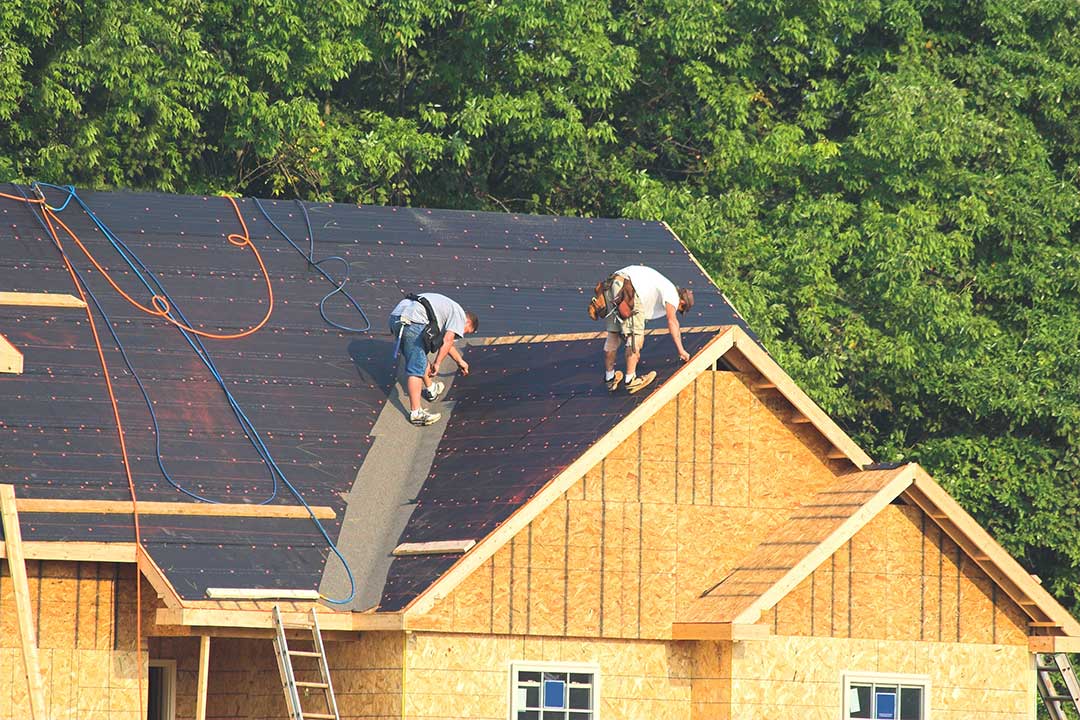
Keeping gutters clear helps water flow continuously instead of spilling in irregular bursts. Fasteners should be secure, but gutters should not be modified in a way that prevents proper drainage or creates a place for ice to accumulate.
During winter, freeze-thaw conditions can make gutter noise worse. Ice buildup may loosen components, redirect melting water, or cause dripping near windows and exterior walls.
Are roof vents a source of rain noise?
Roof vents can transmit sound, particularly when rain strikes a thin metal hood or when wind pushes water against the vent. This does not automatically mean the vent is defective.
A vent should be checked if the noise is accompanied by:
- Water stains near the ceiling
- Damp insulation
- Rust or corrosion
- A loose cover
- Wind-driven rattling
- Dripping sounds that continue after rainfall ends
Ventilation should not be blocked simply to reduce sound. Proper airflow helps control heat and moisture in the attic, especially during cold weather. A quieter vent design or improved surrounding insulation may be possible, but the vent still needs to perform its moisture-control function.
What can residents do without climbing onto the roof?
Several low-risk steps can help identify the source of the noise:
- Listen from different rooms during steady rain.
- Compare the sound near ceilings, exterior walls, gutters, and downspouts.
- Check the attic from a safe floor position for damp insulation, stains, or visible gaps.
- Make sure the attic hatch closes tightly.
- Look for loose interior trim or ceiling fixtures that may vibrate.
- Observe whether the sound occurs only during wind-driven rain.
- Record when the noise happens and whether it is linked to heavy rainfall, dripping, or gusts.
Do not walk on a wet, icy, or steep roof. Roof surfaces can be slippery even when they appear stable, and hidden damage may make certain areas unsafe.
When is rain noise a sign of a roofing problem?
Rain noise alone is usually an acoustic issue rather than evidence of roof failure. However, sudden changes in sound may indicate a loose panel, damaged flashing, displaced trim, or water entering an unintended path.
Additional warning signs include ceiling stains, peeling paint, damp attic insulation, musty odors, visible daylight around roof penetrations, and repeated dripping after the rain has stopped.
In those situations, the priority is finding and correcting the moisture or structural problem. Sound reduction should come after the roof assembly is dry, secure, properly ventilated, and able to manage rain and snow safely.
