
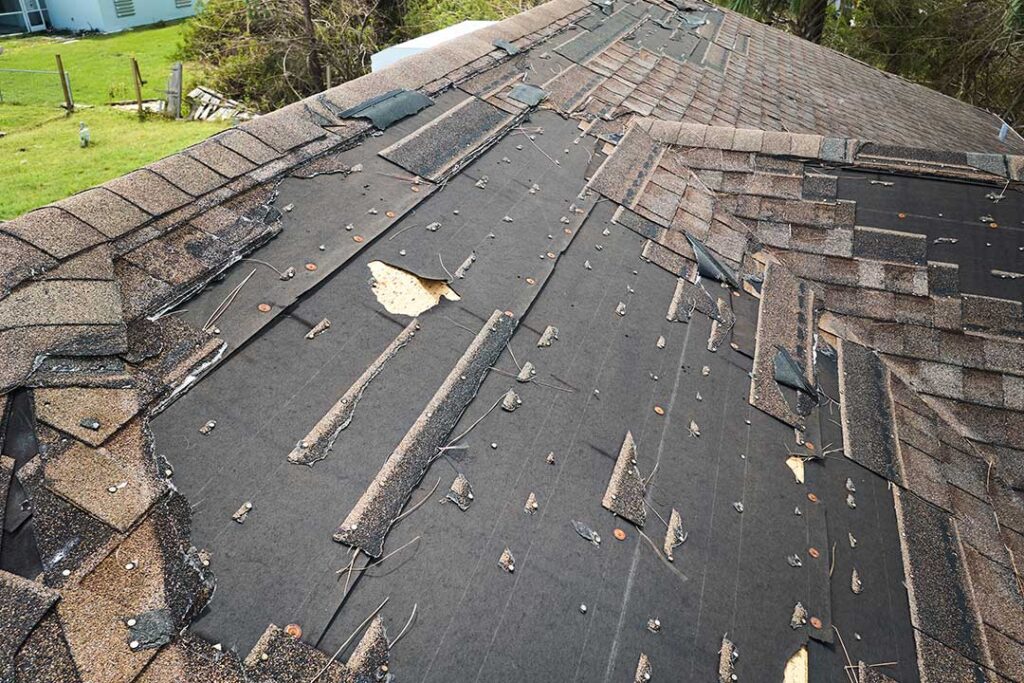
A roof is one of the most frequently tested parts of a home during severe weather, but homeowners insurance does not cover every roofing problem. Coverage usually depends on what caused the damage, the condition of the roof before the event, the policy language, and the deductible.
For residents of Greene, NY, winter snow, ice, freeze-thaw cycles, strong winds, falling branches, and heavy rain can all create roofing concerns. Understanding how insurance treats these situations can make it easier to document damage and avoid surprises during a claim.
Does homeowners insurance cover roof damage?
Usually, homeowners insurance covers sudden and accidental roof damage caused by a covered event. Examples may include:
- Wind lifting or tearing shingles
- Hail impact
- A tree or large branch falling onto the roof
- Damage caused by wind-driven rain after the roof is opened by a covered event
- Roof collapse caused by the weight of snow or ice, depending on the policy
- Damage from a fire or another specifically covered peril
Coverage is not automatic simply because the roof is leaking. The insurer generally looks at the event that caused the leak and whether the roof was properly maintained before the loss.
A roof that gradually deteriorates from age, repeated moisture exposure, algae, rot, poor ventilation, or neglected repairs is generally treated differently from a roof damaged by one identifiable storm.
What roof problems are commonly excluded?
Homeowners insurance is designed for unexpected losses, not routine maintenance. Policies commonly exclude or limit coverage for:
- Normal wear and tear
- Aging shingles that have reached the end of their useful life
- Deterioration, rot, mold, or insect damage
- Poor workmanship or defective installation
- Long-term leaks that were not addressed
- Damage caused by lack of maintenance
- Cosmetic damage that does not affect the roof’s function
- Flood damage, unless separate flood coverage applies
For example, if a 20-year-old roof begins leaking during ordinary rainfall because its materials have deteriorated, the insurer may deny the roof repair. If a windstorm removes shingles and rain enters through that newly damaged area, the resulting loss may be covered, subject to the policy terms.
The distinction between storm damage and pre-existing deterioration is one of the most common sources of disagreement.
How do snow, ice, and freezing conditions affect a claim?
Winter conditions can create several different types of loss, and each may be handled differently.
A roof collapse caused by the weight of accumulated snow or ice may be covered if collapse is included as a covered peril and the homeowner did not contribute to the loss through neglect. Damage from falling branches or wind during a winter storm may also qualify.
Ice dams require closer review. An ice dam can cause water to back up beneath roofing materials and enter the home. Some policies cover resulting interior damage, while others contain limitations or require specific conditions. Damage caused by repeated seepage, poor insulation, inadequate ventilation, or an unrepaired roof defect may be excluded.
Melting snow that enters through an existing opening is often not treated the same as rain entering through a storm-created opening. Photographs, weather records, and evidence of the roof’s prior condition can become important.
What is the difference between replacement cost and actual cash value?
The settlement method can significantly affect how much an insurer pays.
Replacement cost coverage generally pays the reasonable cost to repair or replace damaged property with materials of similar kind and quality, subject to policy limits, deductibles, and required repairs.
Actual cash value subtracts depreciation for age and condition. An older roof may have a much lower actual cash value than the current cost of installing a new roof.
Some policies initially pay actual cash value and release additional replacement-cost funds after covered repairs are completed. Other policies may provide only actual cash value for an older roof or for certain types of roofing materials. The declarations page and loss-settlement section should be reviewed before assuming a full replacement will be paid.
New York homeowners should also check whether the dwelling is insured for at least 80% of its replacement cost. Underinsurance can reduce payment for a partial loss, even when the damage itself is covered.
What deductibles apply to roof damage?
A deductible is the amount the homeowner pays before insurance contributes to a covered loss.
A policy may include:
- A standard deductible
- A separate windstorm deductible
- A hurricane deductible in certain circumstances
- Special deductibles or limitations listed in endorsements
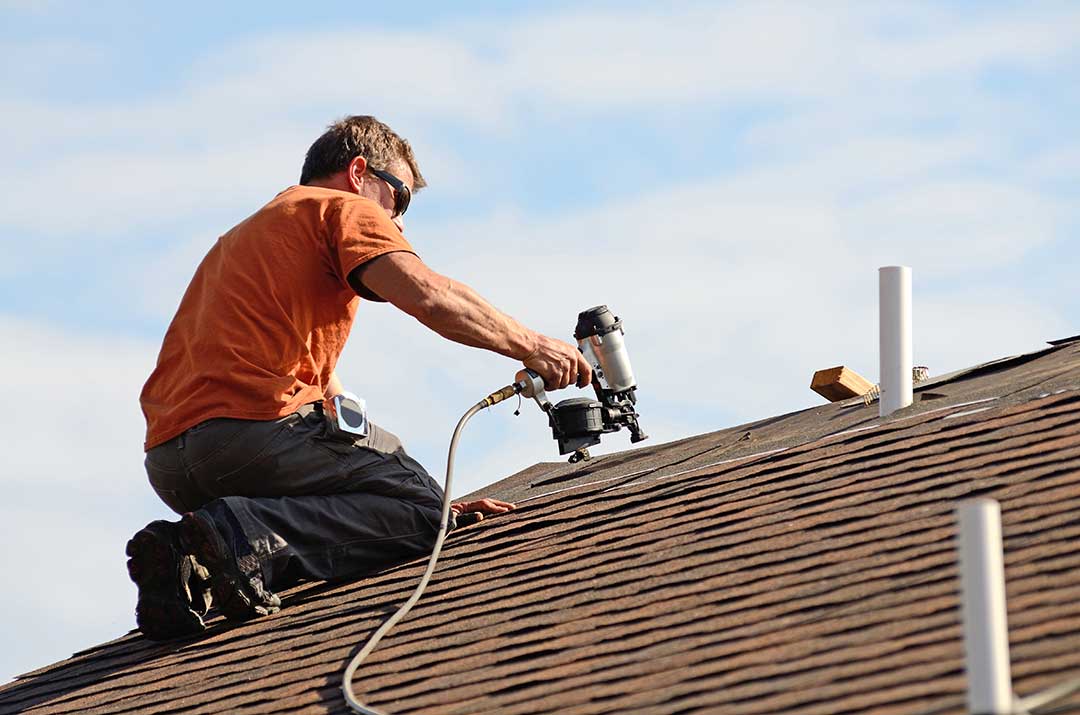
A wind deductible may be a percentage of the home’s insured dwelling amount rather than a fixed dollar figure. For example, a 1% deductible on a dwelling insured for $300,000 would equal $3,000. The policy should be checked carefully because the deductible can determine whether filing a claim is financially practical.
A claim for damage that is only slightly above the deductible may provide limited financial benefit, while a major covered loss may exceed it substantially.
What should a homeowner do after suspected storm damage?
Safety comes first. Avoid walking on a damaged roof, entering areas with sagging ceilings, or touching wet electrical equipment.
After the area is safe:
1. Take photographs and video from the ground and inside the home.
2. Record the date, approximate time, and type of weather event.
3. Protect belongings from additional damage by moving them away from active leaks.
4. Use temporary measures, such as containers under leaks, if doing so is safe.
5. Keep receipts for emergency materials, temporary lodging, or other reasonable expenses.
6. Notify the insurance company promptly and ask about the claim process.
7. Do not discard damaged materials until the insurer has had a reasonable opportunity to inspect them.
Temporary protection is different from permanent repair. Emergency steps may be necessary to prevent further damage, but extensive repairs should generally be documented and coordinated with the insurer before materials are removed.
Can an insurer require roof repairs or documentation?
Yes. An insurer may ask for photographs, maintenance records, inspection reports, invoices, prior claims information, or evidence of the roof’s age and condition. During underwriting or renewal, an insurer may also require a roof inspection or request repairs if the roof presents a significant risk.
A newer roof, impact-resistant materials, stronger roof-to-wall connections, improved ventilation, or other mitigation features may affect eligibility or pricing. Any discount should be confirmed directly in the policy rather than assumed based only on the type of work completed.
Insurance coverage is not the same as a warranty. A roofing warranty may address materials or installation, while homeowners insurance generally addresses qualifying accidental losses. The two forms of protection serve different purposes.
What should be reviewed before a problem occurs?
A yearly policy review can help identify gaps before severe weather arrives. Pay particular attention to:
- The roof’s estimated age and condition
- Replacement-cost or actual-cash-value settlement terms
- Wind and other special deductibles
- Coverage limits for detached structures
- Water backup or sewer backup endorsements
- Exclusions involving ice dams, seepage, or repeated leakage
- The dwelling limit compared with current rebuilding costs
- Requirements for temporary repairs and claim reporting
Residents in Greene may also wish to keep a simple home file containing roof photographs, installation records, repair receipts, inspection notes, and a household inventory. Images taken before a storm can make it easier to distinguish new damage from older wear.
A roof claim is ultimately decided by the policy and the documented cause of loss. Knowing the coverage terms, maintaining the roof, and recording storm-related conditions provide the clearest foundation for making an informed insurance decision.
