
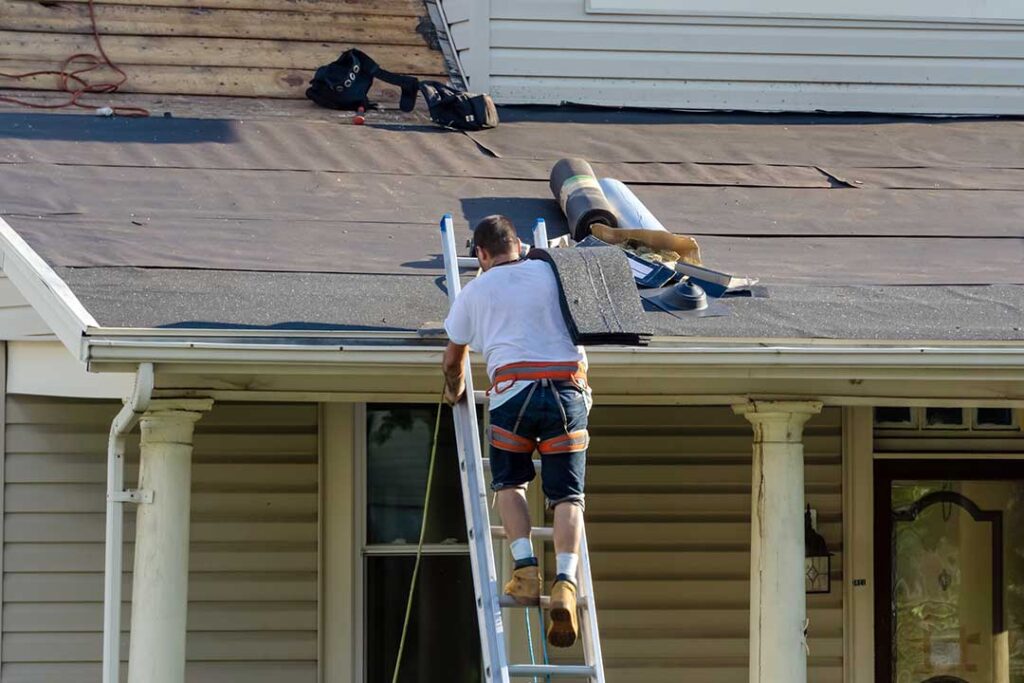
What is roof decking, and why does it matter?
Roof decking is the structural layer installed over the roof framing and beneath the underlayment and shingles. It is commonly made from plywood or oriented strand board, and it provides the firm surface that supports the roofing system.
When decking becomes wet, weakened, or poorly fastened, the problem can affect more than the shingles. Damaged decking may allow roof movement, create uneven surfaces, contribute to leaks, and reduce the roof’s ability to handle snow, ice, wind, and maintenance traffic.
For homes in Greene, NY, seasonal moisture and repeated freeze-thaw cycles can make small decking problems harder to ignore. Water that enters through a damaged shingle or flashing detail may remain trapped long enough to soften the wood, even after the visible leak appears to stop.
How can homeowners tell that roof decking may be damaged?
The most reliable signs usually appear inside the attic, along the roof surface, or around areas where water has entered. A single symptom does not always confirm a decking problem, but several signs together deserve attention.
Common warning signs include:
- Sagging or uneven areas on the roof
- A spongy feeling when someone walks on the roof
- Water stains or damp insulation in the attic
- Soft, dark, or crumbly wood visible from below
- Shingles that appear wavy, sunken, or uneven
- Nails pushing upward through shingles
- Repeated leaks in the same general area
- Musty odors or signs of mold near the roof structure
- Interior ceiling stains that return after repairs
Roof decking damage is often hidden beneath shingles, so the visible symptom may not appear directly over the affected area. Water can travel along rafters, roof slopes, insulation, or the underside of the decking before it becomes visible indoors.
Does a sagging roof always mean the decking is failing?
No. A sagging roof can result from damaged decking, but it may also indicate weakened rafters, undersized framing, excessive weight, long-term moisture exposure, or changes made during previous repairs.
A shallow, localized dip may be related to a small area of deteriorated decking. A broad or sharply developing sag is more serious because it may involve the roof framing or concentrated moisture. Snow accumulation, ice, and saturated materials can add weight to an already weakened area.
A roof that appears to dip should not be tested by walking across it. Movement can worsen the damage, and concealed deterioration may make the surface unsafe. An attic inspection from a stable floor area can provide useful information without placing weight on the questionable section.
What does damaged decking look like from inside the attic?
From the attic, roof decking problems may appear as discoloration, softness, swelling, or deterioration around fasteners and roof penetrations. Areas near chimneys, plumbing vents, valleys, skylights, and roof edges deserve close attention because these locations have more opportunities for water entry.
Look for:
- Brown or gray stains on the underside of the panels
- Wood fibers that appear swollen, flaky, or crushed
- Delamination, where plywood layers begin separating
- Dark areas that remain damp after the weather has dried
- Rusted nails or fasteners surrounded by staining
- Wet insulation resting against the decking
- Daylight visible through an unintended opening
A moisture meter can help identify damp materials, but readings alone do not explain the source. Wet decking may reflect an active leak, an old leak that has not fully dried, condensation, or inadequate attic ventilation.
Can shingles look fine while the decking is damaged?
Yes. Shingles can remain relatively intact while the wood beneath them deteriorates. The roofing surface may conceal damage caused by a slow leak, repeated ice buildup, failed flashing, or water entering around a penetration.
This is one reason a recently repaired leak may return. Replacing a few shingles can stop water from entering at the surface, but it may not restore decking that has already lost strength. If the affected wood remains soft or distorted, the repaired area may not provide a stable base for new roofing materials.
Shingles that look wavy, buckled, or uneven can also point to installation problems, trapped moisture, or movement in the decking. These conditions should be evaluated in context rather than assumed to be only a shingle-age issue.
What roof areas are most likely to develop decking problems?
Roof decking can deteriorate anywhere water remains present, but certain locations experience more exposure. Roof valleys collect runoff from two roof sections, while eaves can be affected by ice dams and repeated wetting. Areas around vents, chimneys, dormers, and roof-wall intersections depend heavily on properly installed flashing.
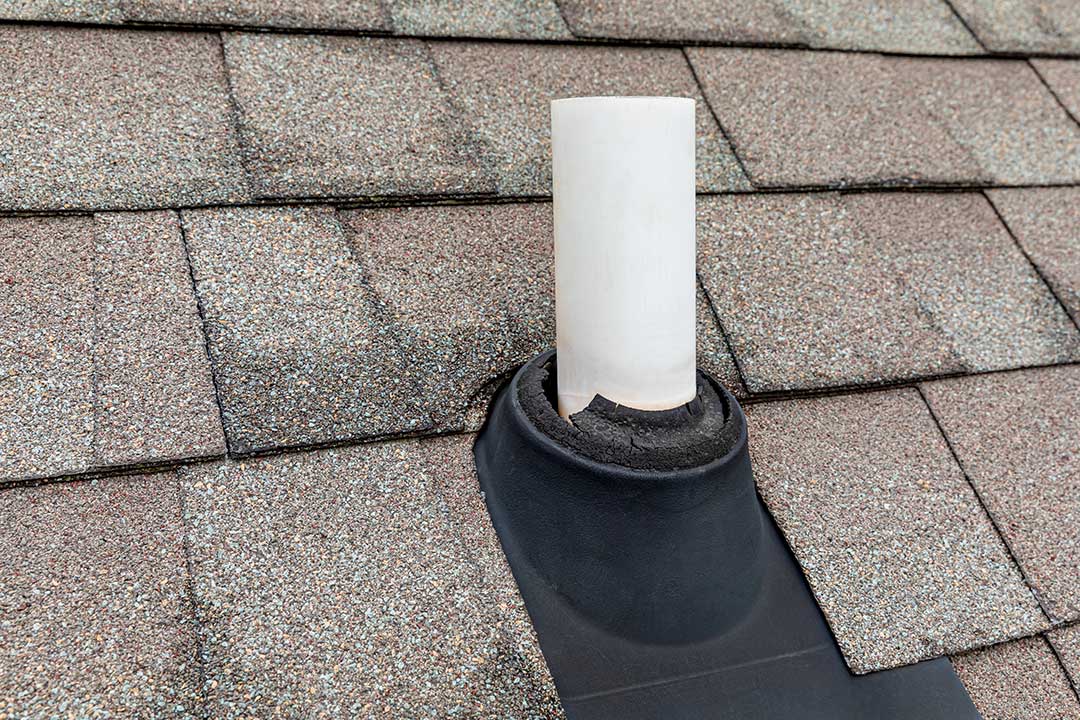
In the local climate, winter freeze-thaw cycles can enlarge small openings. Water may enter, freeze, expand, and then move farther into seams or fastener holes. Meltwater can also back up behind ice at the lower edge of a roof, wetting the decking and insulation.
Trees near a house may add another factor. Falling branches, rubbing limbs, and accumulated leaves can damage shingles or keep moisture against the roof surface. Gutters that overflow may repeatedly wet the roof edge and fascia, eventually affecting the decking near the eaves.
Is a small ceiling stain a sign that the decking needs replacement?
Not necessarily. A small ceiling stain confirms that water reached the interior finish, but it does not automatically mean the entire roof deck is damaged. The affected decking may be dry and structurally sound if the leak was brief and corrected quickly.
However, a stain that grows, returns, or appears with soft attic wood suggests that the problem may be ongoing or more extensive. Peeling paint, bubbling drywall, damp insulation, and musty odors are additional clues that moisture has persisted.
The key questions are whether the source has been stopped, whether the wood has dried, and whether the decking still has adequate strength. Cosmetic ceiling repairs should wait until the moisture source and underlying materials have been addressed.
How urgent is a roof decking problem?
Urgency depends on the extent and location of the damage. A small area of dry staining may allow time for careful evaluation, while active leaking, visible sagging, exposed wiring, or soft roof surfaces requires prompt attention.
Extra caution is needed when:
- The roof is visibly sagging
- Water is entering during rain or snowmelt
- The attic floor or roof framing is wet
- A ceiling is bulging
- The affected area is near electrical equipment
- The roof has been heavily loaded by snow or ice
- The decking feels soft or unstable
Do not enter a questionable attic during active leaking, severe weather, or when electrical hazards may be present. Do not walk on a roof that has visible dips, soft spots, ice, or loose materials.
What happens when damaged decking is repaired?
Repair normally involves finding and stopping the moisture source, removing roofing materials over the affected area, cutting out unsound decking, and installing matching structural panels with proper support and fastening. The underlayment and roof covering then need to be restored so water can drain normally.
Replacing wood without correcting the leak only treats the symptom. Likewise, covering weak decking with new shingles does not restore the structural surface. The repair should account for flashing, ventilation, roof drainage, and any nearby materials that have been wet for an extended period.
A complete roof replacement is not automatically necessary when decking damage is found. Localized deterioration can often be addressed separately, provided the surrounding roof system remains sound and the underlying cause is corrected.
How can residents reduce the chance of decking damage?
Routine observation helps catch moisture before it becomes structural deterioration. After major wind, heavy rain, or winter ice, check attic areas safely for new staining or dampness. Keep gutters and downspouts clear enough for water to drain away from the roof edge, and trim branches that can strike or rub against roofing materials.
Watch for recurring leaks rather than treating each stain as an isolated event. A leak that returns in the same area may indicate concealed decking damage, failed flashing, or water migration beneath the roof covering. Early investigation is generally less disruptive than waiting until the wood becomes soft, moldy, or structurally unreliable.
