
What should homeowners check before winter?
Preparing a roof for winter means finding and correcting small problems before snow, ice, wind, and repeated freezing temperatures make them harder to manage. In Greene, NY, seasonal weather can place added strain on roofing materials, gutters, flashing, attic insulation, and roof drainage.
A useful inspection should cover:
- Shingles, metal panels, slate, or other roof coverings
- Flashing around chimneys, vents, skylights, and wall intersections
- Gutters, downspouts, and drainage paths
- Attic insulation, ventilation, and signs of moisture
- Tree limbs and exterior objects that could fall during a storm
- Areas where past leaks or ice buildup have occurred
The goal is not to make a roof completely maintenance-free. It is to identify conditions that could allow water into the building or add unnecessary weight and stress during winter storms.
How can you inspect the roof safely?
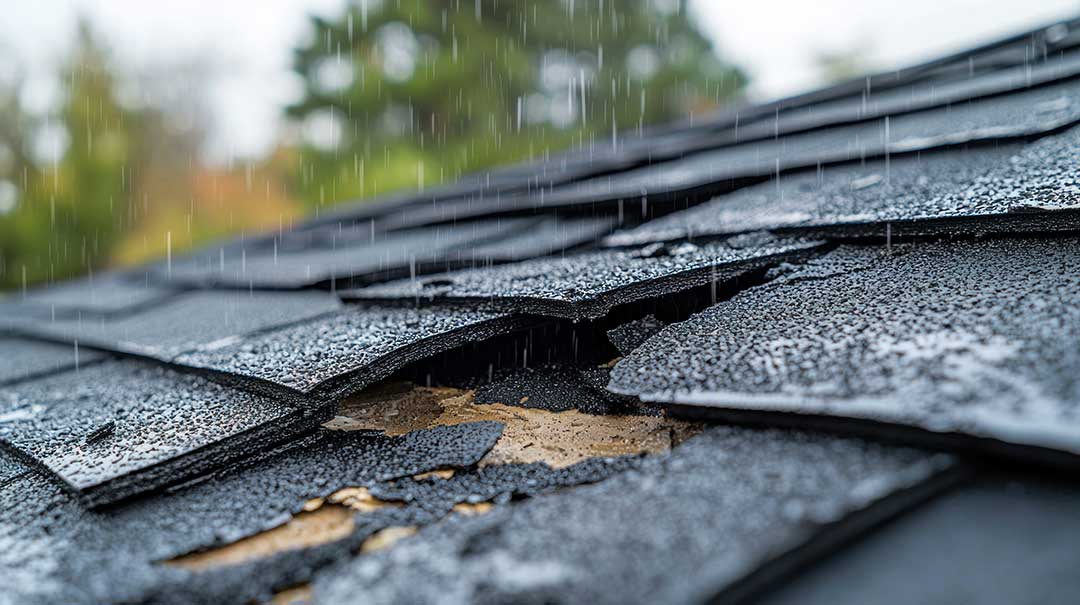
Most roof inspections can begin from the ground. Use binoculars to look for missing, cracked, curled, loose, or heavily worn roofing materials. Check whether roof edges appear straight and whether any sections look sagged or uneven.
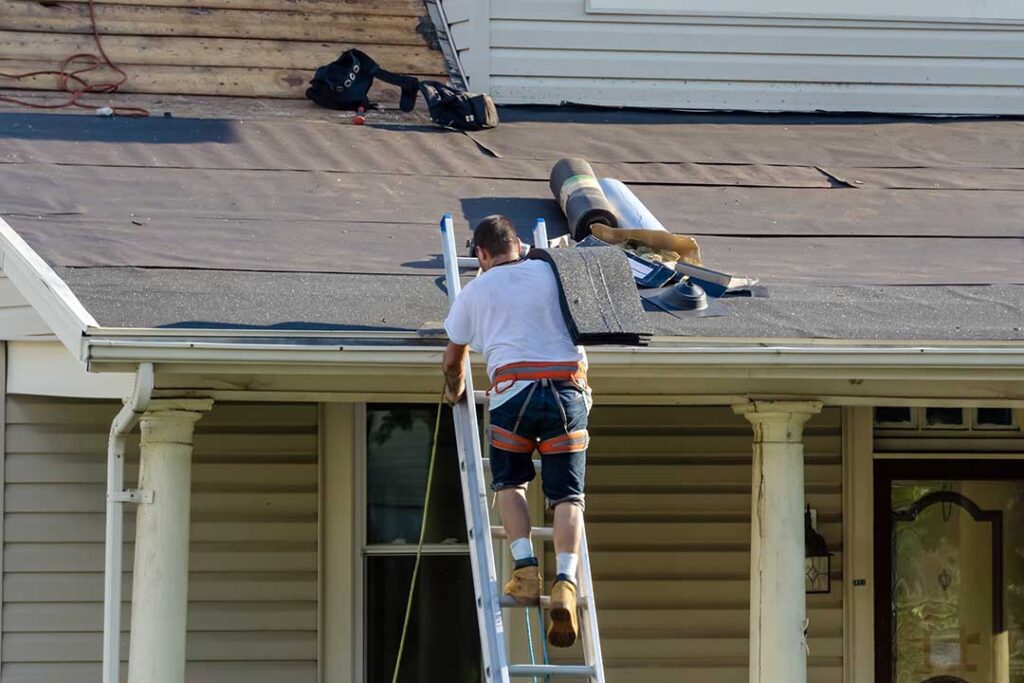
Avoid walking on a roof when it is wet, icy, snow-covered, steep, or difficult to access. Winter preparation does not justify a fall hazard. A ladder should be placed on stable ground, kept clear of ice, and used according to its safety instructions. Gutters can often be viewed from a window, deck, or safely positioned ladder rather than by stepping onto the roof.
Look for:
- Loose or exposed fasteners
- Damaged pipe boots around plumbing vents
- Gaps or lifted sections of flashing
- Dark stains on exterior walls or soffits
- Granules collecting heavily at downspout outlets
- Moss or organic growth that holds moisture against roofing materials
- Icicle damage from previous winters
Interior signs matter as well. Brown ceiling marks, peeling paint, damp insulation, musty odors, or frost on the underside of roof sheathing may indicate a leak or attic moisture problem.
Why do gutters and downspouts matter in winter?
Gutters and downspouts help move melting snow and rain away from the roof edge and foundation. If leaves, twigs, or sediment block that path, water can back up under roofing materials or freeze inside the gutter.
Before winter:
- Remove accumulated debris from gutters.
- Confirm that downspouts are firmly attached.
- Make sure water discharges far enough away from the foundation.
- Check that elbows and extensions are not crushed or blocked.
- Look for sagging sections where water may collect and freeze.
- Inspect gutter fasteners for looseness.
A clean gutter system does not prevent every ice dam. However, it reduces drainage problems when snow begins to melt and refreeze.
How do ice dams form?
Ice dams form when heat escaping from the living space warms parts of the roof, melting snow above them. Meltwater flows toward colder roof edges, where it refreezes. The resulting ice can hold additional water against the roof covering and allow moisture to move beneath it.
The most effective prevention usually involves the whole attic system rather than a single product. Proper air sealing limits warm air movement into the attic, adequate insulation reduces heat transfer, and balanced ventilation helps keep the roof deck closer to outdoor temperatures.
Check the attic for:
- Insulation that is thin, displaced, or compressed
- Blocked soffit vents
- Unsealed openings around wiring, plumbing, chimneys, and attic hatches
- Bathroom or kitchen exhaust ducts that discharge into the attic
- Frost, damp sheathing, or water stains
- Insulation covering ventilation openings at the eaves
Do not block soffit or ridge vents in an attempt to keep the attic warmer. A warmer attic can increase the risk of uneven snow melting and moisture accumulation.
Should snow be removed from a roof?
Not every roof needs routine snow removal. A properly designed roof can carry normal winter snow, but heavy, wet, drifting, or repeatedly layered snow can create serious structural loads. Flat and low-slope roofs, roofs with large valleys, and sections below higher roof surfaces may collect more snow than other areas.
Warning signs that deserve prompt attention include:
- New sagging in the roofline or ceiling
- Doors that suddenly stick
- Cracking sounds from the attic or roof structure
- Large amounts of snow concentrated in one area
- Water entering around ceilings, walls, or light fixtures
- Severe bending or movement in interior framing
Never climb onto a snow-covered roof to remove snow. Shovels, ladders, and roof edges can become difficult to see, and uneven removal can create dangerous loading. Metal tools can also damage roofing materials. If snow removal is necessary because of unusual accumulation or structural warning signs, the work may require trained assistance because safety and load distribution are involved.
What should be done about trees near the roof?
Branches that hang over the roof can scrape roofing surfaces, drop limbs during wind or heavy snow, and fill gutters with debris. Trees do not need to be removed simply because they are near a house, but dead, cracked, or heavily overhanging limbs deserve attention before winter storms.
Pay particular attention to branches that:
- Touch or rub against the roof
- Hang above electrical lines
- Are dead, split, or visibly decayed
- Hold large amounts of snow
- Could fall across entrances, walkways, or vehicles
Do not attempt to cut large or unstable limbs from a ladder. The combination of height, equipment, and unpredictable movement can make this work hazardous.
How can small roof leaks be found before snow arrives?
A roof leak may not appear directly below the damaged area. Water can travel along roof decking, rafters, insulation, or drywall before becoming visible. Inspect the attic after heavy rain and look for damp wood, discolored insulation, rusted fasteners, or fresh water trails.
Inside the home, inspect ceilings and upper walls near:
- Chimneys and masonry walls
- Skylights
- Plumbing vents
- Attic access openings
- Roof valleys
- Dormers and changes in roof direction
Temporary interior measures, such as placing a container under a drip, do not correct the roof problem. Do not seal the visible ceiling stain alone, because the source may be higher or several feet away.
Which winter roof problems require urgent attention?
Some conditions should not wait until spring. Immediate attention is warranted when there is active leaking, visible structural sagging, exposed roof decking, a damaged chimney flashing area, or a roof opening caused by wind or falling branches.
Electrical fixtures affected by water should be treated carefully. Avoid touching wet wiring, light fixtures, or nearby switches, and use appropriate emergency precautions for the household.
Routine maintenance can often be planned before cold weather. Hazardous conditions, active leaks, structural movement, and inaccessible roof areas are different situations where safety should take priority over do-it-yourself work.
A practical seasonal maintenance schedule
A simple schedule helps prevent winter preparation from becoming a last-minute task.
Early fall: Inspect roofing materials, flashing, attic conditions, gutters, downspouts, and nearby trees.
After the first major storm: Check for new leaks, displaced materials, blocked drainage, and unusual snow accumulation.
During winter: Watch for recurring ice buildup, ceiling stains, attic frost, and changes in the roofline.
Early spring: Look for damage caused by ice, wind, fallen branches, freeze-thaw movement, and overflowing gutters.
Keeping dated photographs of roof edges, flashing, attic areas, and gutters can make it easier to recognize changes from one season to the next.
