
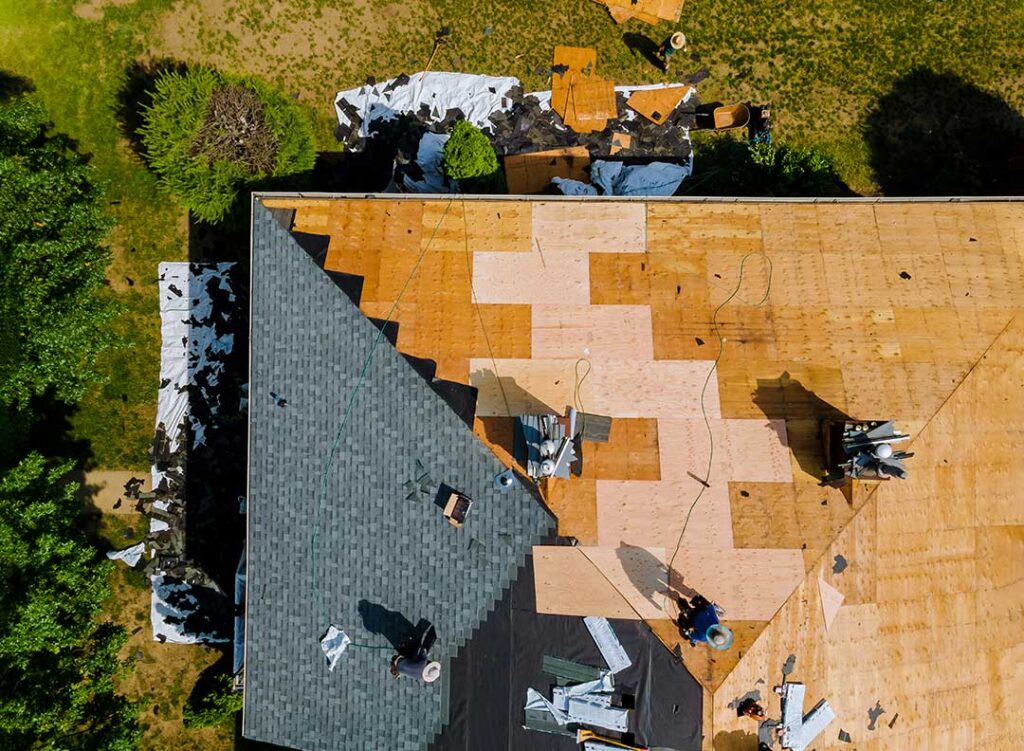
Roof underlayment is the protective layer installed between a roof deck and the visible roof covering. Although it cannot usually be seen from the ground, it helps limit water intrusion, protect the roof deck, and support the overall performance of shingles, metal panels, slate, or other roofing materials.
For homes in Greene, NY, underlayment deserves attention because roofs must handle rain, snow, freeze-thaw cycles, wind, and occasional ice buildup. A roof covering may shed most water, but underlayment provides a second line of defense when wind-driven rain or melting snow gets beneath it.
What exactly is roof underlayment?
Roof underlayment is a water-resistant material placed over the roof sheathing and beneath the exterior roof covering. The roof sheathing is the structural deck, often made from plywood or oriented strand board. The underlayment lies above that deck, while shingles, metal, or another finished material is installed above the underlayment.
Its primary functions include:
- Helping prevent water from reaching the roof deck
- Protecting the deck before the final roof covering is installed
- Reducing exposure to wind-driven rain and blowing snow
- Providing additional protection around roof penetrations and vulnerable areas
- Helping the roof system meet applicable building requirements
Underlayment is not designed to replace shingles or other roof coverings. It is part of a layered roof assembly, and each layer has a different job.
Why is underlayment necessary if shingles already shed water?
Shingles are the roof’s primary weathering surface, but they are not a completely watertight membrane. Small amounts of water can move beneath shingles during strong wind, heavy rain, or snow-related conditions. Water may also enter at valleys, sidewalls, chimneys, skylights, plumbing vents, and other roof penetrations.
Underlayment helps manage that water before it reaches the wood deck. It can also provide temporary protection during construction, although it should not be treated as a permanent exposed roof.
A roof with sound shingles but deteriorated, missing, or improperly installed underlayment may still be vulnerable. This is one reason a roof replacement involves more than placing new shingles over the old surface.
What are the main types of roof underlayment?
The three broad categories are asphalt-saturated felt, synthetic underlayment, and self-adhering membrane.
Asphalt-saturated felt
Often called roofing felt or tar paper, asphalt-saturated felt has been used for many decades. It is available in different weights and can provide dependable protection when installed correctly.
Felt is generally less resistant to tearing and prolonged exposure than many newer synthetic products. It can also wrinkle if it becomes wet before installation is complete. Even so, it remains a familiar and useful material in many roof assemblies.
Synthetic underlayment
Synthetic underlayment is made from manufactured polymers. It is typically lighter than felt, covers large areas efficiently, and often has greater resistance to tearing and moisture during installation.
Some synthetic products are designed for steep-slope roofing, while others are intended for specific roof coverings or installation methods. A product’s suitability depends on the roof design, covering material, slope, fasteners, and manufacturer instructions.
Synthetic does not automatically mean superior in every situation. Installation details matter more than the label alone.
Self-adhering membrane
Self-adhering membrane, sometimes called an ice barrier or ice-and-water membrane, has an adhesive backing that bonds to the roof deck. It is commonly used in areas where water may back up, such as eaves, valleys, roof-to-wall transitions, and penetrations.
This type of membrane is especially relevant in cold-weather regions. If ice forms along the lower edge of a roof and blocks drainage, melting water can move underneath the roof covering. A properly installed ice barrier helps reduce the chance of that water reaching the deck.
Is ice-and-water protection the same as regular underlayment?
No. Ice-and-water protection is a specialized form of underlayment, not simply another name for all underlayment.
Regular felt or synthetic underlayment is usually mechanically fastened and installed across the roof field. A self-adhering ice barrier bonds directly to the deck and is used in areas exposed to backup water or complicated drainage.
New York’s residential building requirements address underlayment and ice-barrier installation for several roof-covering types. The exact requirements can depend on the roof material, location, roof design, and applicable code edition. As of December 31, 2025, New York’s 2025 Uniform Code is fully effective, so roof work in the state should be evaluated under the requirements that apply to the project and its permit.
Where is underlayment most vulnerable?
Underlayment is particularly important in places where water slows down, changes direction, or encounters an opening.
Common vulnerable areas include:
- Valleys where two roof slopes meet
- Eaves and lower roof edges
- Roof-to-wall intersections
- Around chimneys and skylights
- Plumbing vent openings
- Dormer sides and upper corners
- Areas beneath damaged or missing shingles
- Roof sections with low slopes or complex designs
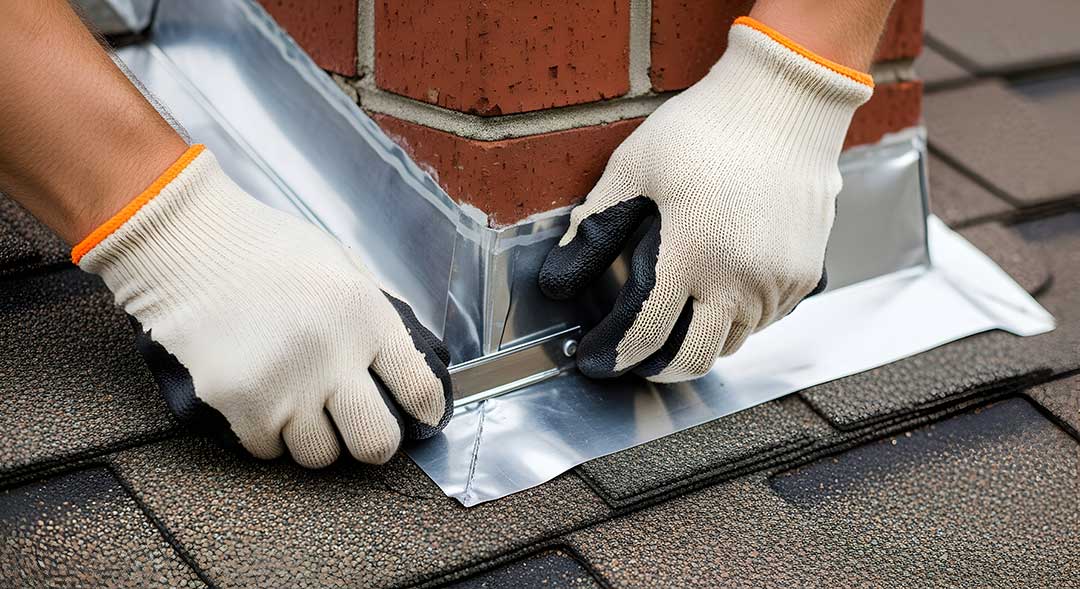
Valleys deserve special attention because they collect runoff from large sections of roof. Even a small installation error can allow water to move beneath the covering.
Can underlayment stop a roof leak by itself?
Usually, no. Underlayment can reduce water intrusion, but it is not a substitute for proper flashing, drainage, roof covering, or ventilation.
A leak may result from damaged shingles, failed flashing, exposed fasteners, deteriorated sealant, clogged drainage paths, inadequate slope, or condensation inside the attic. Water can also travel along the roof deck before appearing far from the original entry point.
Replacing visible shingles without addressing the underlying cause may leave the leak unresolved. Likewise, adding underlayment over damaged roof sheathing does not restore the structural strength of the deck.
What should homeowners look for during roof work?
A homeowner does not need to climb onto the roof to ask useful questions. During replacement or major repair, it is reasonable to verify:
- What type of underlayment is being used?
- Where will self-adhering membrane be installed?
- How will valleys, eaves, walls, and penetrations be sealed?
- Will damaged roof sheathing be replaced?
- How long can the underlayment remain exposed?
- Are the installation methods consistent with the roof-covering manufacturer’s instructions?
- Does the work require a permit or inspection under local rules?
Photographs taken before the roof covering is installed can also provide a useful record of how valleys, edges, and penetrations were handled.
How does Greene’s weather affect underlayment?
Seasonal conditions in the community make moisture management especially important. Winter snow can remain on roof surfaces, while alternating warm and freezing periods may create meltwater and refreezing near eaves. Spring rain, summer storms, and autumn debris can place additional stress on drainage and flashing.
Good attic insulation and air sealing also matter. They help limit heat loss that can warm the underside of a roof, melt snow unevenly, and contribute to ice formation. Underlayment is one part of the system; roof ventilation, insulation, flashing, drainage, and the exterior covering must work together.
What is the most common misconception about underlayment?
The most common misconception is that a thicker or more expensive underlayment can correct poor roofing installation. It cannot.
A quality roof system depends on compatible materials, correct laps, proper fastening, sound roof decking, careful flashing, adequate ventilation, and installation suited to the roof’s slope and covering. Underlayment provides valuable protection, but it works best as one properly coordinated layer in the complete assembly.
