
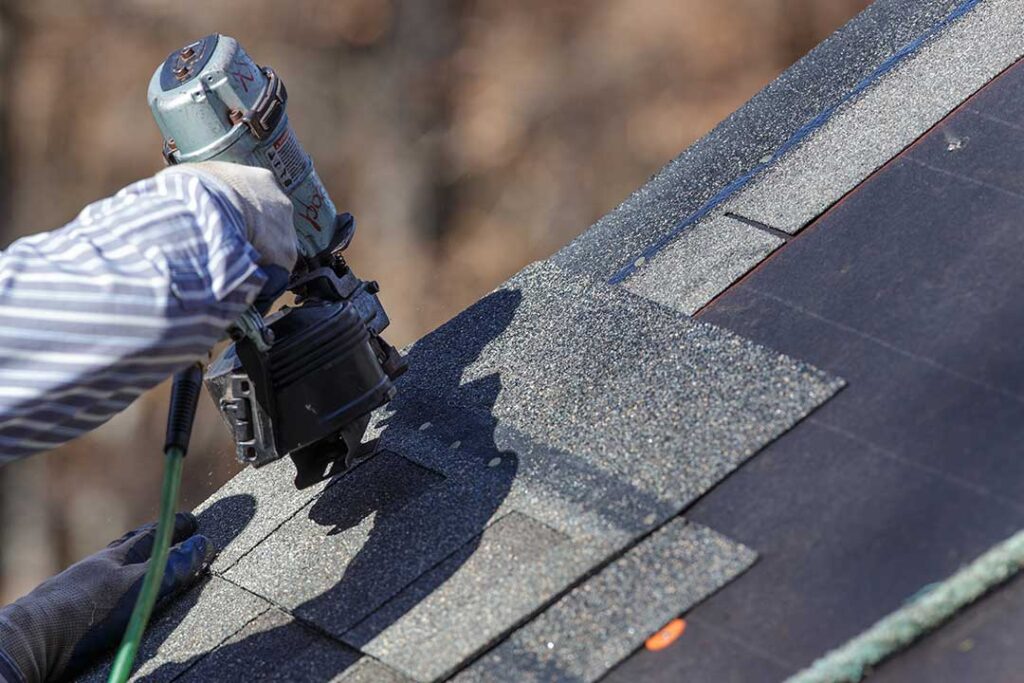
A roof tear-off is the removal of existing roofing materials, usually down to the roof deck, before a new roof system is installed. For homeowners in Greene, NY, the process can involve several stages beyond removing shingles, including protecting the property, inspecting the sheathing, addressing moisture damage, and preparing for seasonal weather.
Understanding the sequence helps explain why a tear-off may take longer than a simple surface replacement and why hidden conditions can affect the work.
What does a roof tear-off include?
A full tear-off generally removes the visible roofing layers and the materials beneath them that are no longer suitable for reuse. On a typical asphalt-shingle roof, this may include:
- Shingles and ridge-cap material
- Underlayment or felt paper
- Step flashing and other damaged flashing
- Old roofing nails and fasteners
- Deteriorated sections of roof decking
- Debris trapped around vents, valleys, chimneys, and roof edges
The goal is to expose a sound, reasonably clean roof deck. Installing new roofing over an unstable or wet surface can conceal problems rather than correct them.
A tear-off is different from an “overlay,” where new shingles are installed over an existing layer. Overlays may be allowed in some situations, but they provide less opportunity to inspect the deck, flashing, and moisture damage. They can also add weight and make future repairs more complicated.
What happens before removal begins?
Preparation usually starts with a review of the roof’s layout and the areas around the house. This includes looking at roof slopes, valleys, dormers, skylights, chimneys, vents, gutters, nearby trees, utility lines, porches, and walkways.
The property should be prepared for falling debris and vibration. Common protective measures include:
- Covering shrubs, flower beds, and exterior fixtures
- Protecting siding, windows, doors, and outdoor equipment
- Placing ground tarps around the building
- Establishing a safe area for debris collection
- Moving vehicles and loose outdoor items away from the work zone
- Securing or removing fragile items in the attic
Roof removal can create considerable noise. Hammers, pry bars, ladders, and debris handling may be heard throughout the house. Attic dust may also be disturbed, especially if the roof deck has accumulated dirt or old insulation fibers.
How long does a roof tear-off take?
Many straightforward residential tear-offs can be completed in a day or several days, but no single schedule applies to every house. The duration depends on the roof’s size, pitch, number of layers, access to the property, weather, and the condition of the deck.
Work may take longer when the roof has:
- Multiple layers of old roofing
- Steep or irregular slopes
- Several dormers, valleys, or roof transitions
- Older flashing that must be carefully removed
- Limited access for material delivery or debris removal
- Hidden water damage
- A large amount of ice-damaged or wind-damaged material
Weather is particularly relevant in Greene. Snow, freezing temperatures, rain, and rapid temperature changes can interrupt removal or make exposed decking unsafe. A roof should not be left open unnecessarily, so a tear-off is normally planned around a suitable weather window.
What should homeowners expect when the roof is opened?
The most significant part of a tear-off is often what becomes visible after the old materials are removed. Roof decking may show staining, soft areas, darkened wood, split panels, nail damage, or openings around vents and valleys.
Not every stain means active leakage, but soft or deteriorated sheathing should not be covered with new roofing. A damaged deck may need to be cut out and replaced with properly fastened material. This is one reason the final scope can change after removal begins.
Other concealed conditions may include:
- Inadequate or damaged flashing
- Improperly sealed pipe penetrations
- Blocked or poorly designed ventilation
- Evidence of repeated ice-dam leakage
- Old roof layers that have trapped moisture
- Framing irregularities around additions or dormers
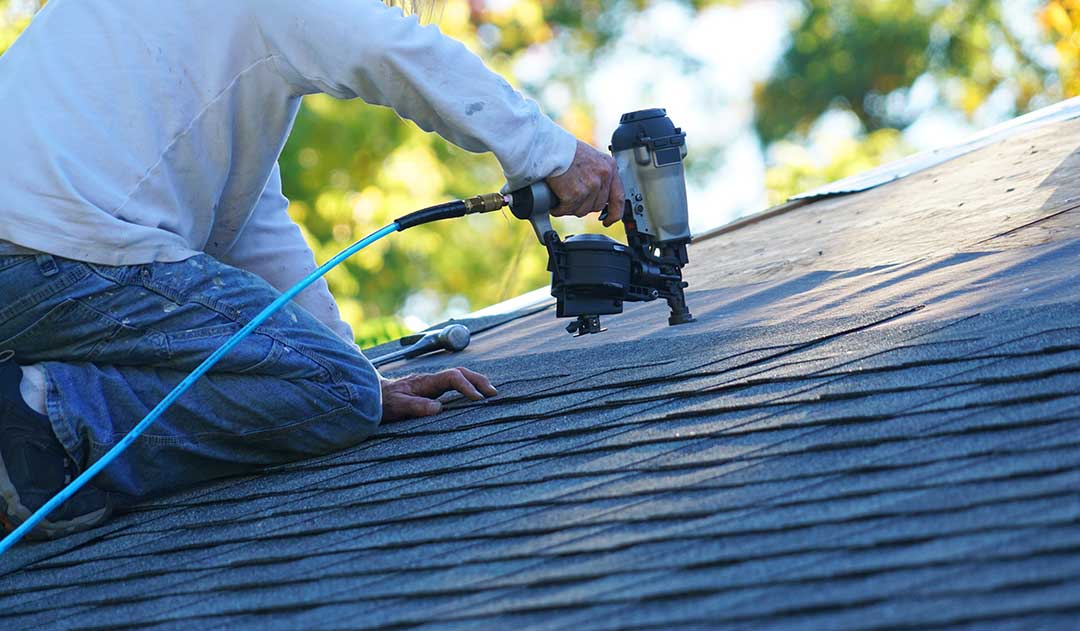
In older homes, roof geometry can be less uniform than it appears from the ground. An addition may have a different slope, an older decking material, or a roof-to-wall connection that needs special attention.
How are ice and water concerns handled?
Cold-weather conditions make roof-edge and roof-transition details especially important. Ice can build up near eaves when attic heat and outdoor temperatures interact, allowing melting snow to refreeze along the roof edge. Water may then work beneath shingles.
Modern roof systems commonly use an ice-barrier membrane or another code-compliant method in vulnerable areas. The exact placement depends on the roof design and the applicable New York State code requirements. Valleys, eaves, low-slope sections, wall intersections, and areas around penetrations may need additional protection.
A tear-off is the clearest opportunity to correct these details because the underlying surface is exposed. Simply adding new shingles does not fix a poorly protected roof edge or a damaged valley.
What happens after the old roofing is removed?
Once the deck has been inspected and repaired as needed, installation generally proceeds in layers. The sequence may include:
- Installing replacement roof decking where required
- Adding an ice barrier and underlayment
- Installing new flashing around walls, chimneys, valleys, and penetrations
- Replacing or resetting roof vents
- Installing the selected roof covering
- Sealing exposed fasteners and transition points
- Installing ridge caps and completing edge details
Ventilation deserves attention during this stage. Intake and exhaust ventilation should work together rather than simply adding more openings in random locations. Poor ventilation can contribute to moisture accumulation, premature material aging, and winter problems in the attic.
What does cleanup involve?
A proper cleanup is more than removing large pieces of roofing. Small nails and sharp fragments can travel into grass, mulch, driveways, and spaces beneath shrubs. Cleanup commonly includes ground tarps, magnetic sweeping, hand collection, and inspection of walkways and driveway edges.
Residents should still use caution around the work area after the crew leaves. Nails can remain hidden in lawn edges, gravel, or landscaping, particularly after wind or heavy rain moves debris.
Gutters may also contain granules, nails, and pieces of underlayment after a tear-off. They may need to be cleared so downspouts can drain properly.
Are permits required for a roof tear-off in Greene?
Permit requirements can depend on the extent of the work, the type of building, and current local enforcement procedures. A roof replacement that includes structural repairs, changes to roof shape, alterations to framing, or other building work may involve requirements beyond replacing the roof covering.
Before work begins, the property owner should verify current requirements with the appropriate local building authority. It is also useful to keep records of any permit, inspection, material documentation, and changes made to the roof deck.
What should be documented before the work starts?
Photographs of the roof, siding, landscaping, attic, driveway, and nearby structures can provide a useful record of existing conditions. This is especially helpful where branches, fences, solar equipment, decks, or older exterior materials are close to the work area.
A written scope should explain whether it includes removal of all existing layers, replacement of damaged decking, flashing work, ventilation changes, ice-barrier installation, and cleanup. It should also explain how concealed damage will be handled if it is discovered during removal.
A tear-off is disruptive, but it also provides the most complete view of a roof’s actual condition. The visible shingles are only the outer layer; the roof deck, flashing, underlayment, ventilation, and edge protection determine how well the finished system performs through Greene’s snow, rain, wind, and freeze-thaw conditions.
