
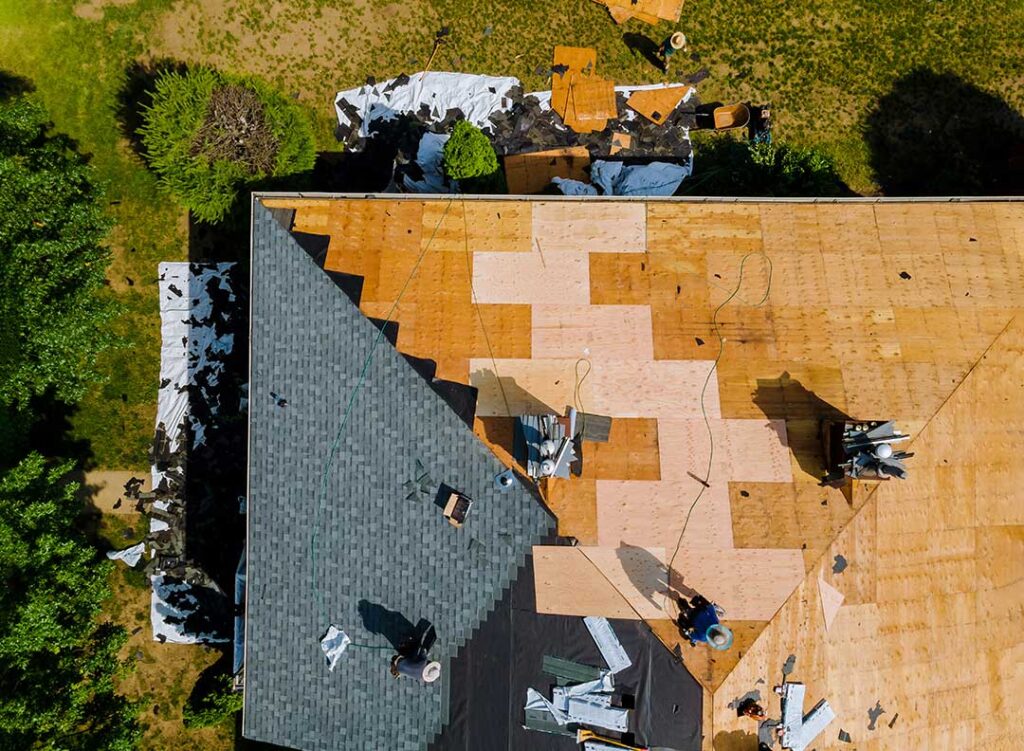
A new roof can reduce indoor allergens mainly by stopping water intrusion, limiting damp building materials, and improving the separation between the living space and the outdoors. It does not remove every allergen from a home, but a weather-tight roof can help prevent conditions that allow mold and other biological irritants to accumulate.
For households in Greene, NY, this can be especially relevant because roofs face repeated cycles of snow, ice, rain, wind, and seasonal temperature changes. Small weaknesses may not cause an obvious ceiling stain but can still allow moisture into attic insulation, roof sheathing, wall cavities, or upper-floor finishes.
How can a new roof affect indoor allergens?
A properly installed roof reduces the pathways through which moisture and outdoor particles enter the home. The most important benefit is moisture control.
Mold needs moisture to grow. Once mold develops in damp insulation, roof decking, drywall, or framing, it can release spores into the air. Those spores may aggravate allergies, asthma, nasal irritation, coughing, or other respiratory symptoms. A roof replacement can help by removing damaged roofing materials and creating a more reliable water-shedding surface.
A new roofing system may also include improvements to:
- Flashing around chimneys, vents, and roof intersections
- Underlayment beneath the exterior roofing material
- Ventilation in the attic
- Sealing around roof penetrations
- Drip edges and other water-management details
- Areas where old materials have warped, cracked, or deteriorated
These components work together. Replacing only the visible outer layer may not solve a moisture problem if damaged decking, failed flashing, or poor attic ventilation remains underneath.
Which allergens are most connected to roof problems?
Roof leaks are most directly associated with mold spores and mildew-related particles. They can also contribute indirectly to dust-mite activity because dust mites thrive in damp indoor environments.
Common indoor irritants affected by moisture include:
- Mold spores
- Mildew particles
- Dust mites and their waste particles
- Damp-building odors and particles
- Pollen or outdoor dust carried into wet attic and wall materials
A roof does not usually create pet dander, household dust, or pollen. However, moisture can make indoor air problems more difficult to manage and may cause existing allergens to become part of a larger pattern of irritation.
For example, a family may assume that recurring congestion is caused by spring pollen, while a hidden roof leak is also keeping attic insulation damp. Seasonal symptoms can have more than one source.
Can a roof leak cause allergies even without visible mold?
Yes. A leak can create damp conditions before mold becomes visible. Water may collect beneath insulation, under roof decking, or inside a wall cavity. In some cases, the first signs are a musty smell, peeling paint, soft drywall, stained wood, or worsening symptoms in a room below the attic.
Visible mold is not required for moisture to affect indoor air. Damp materials can hold odors, support biological growth, and contribute to higher humidity. Mold may also be hidden from normal view, particularly around roof penetrations, attic edges, and areas where insulation blocks inspection.
A new roof can stop the source of moisture, but it does not automatically dry or clean affected materials. Wet insulation, damaged sheathing, and mold-contaminated surfaces may need separate attention.
Why does attic ventilation matter?
Roof replacement and attic ventilation are closely related, but they are not the same thing. Ventilation helps release heat and moisture from the attic. Without adequate airflow, warm indoor air can reach cold roof surfaces and condense, especially during Greene’s colder months.
That condensation can resemble a roof leak. It may dampen insulation and roof framing even when the exterior roofing material is intact.
A sound attic system generally needs:
- Air entering through properly placed intake areas
- Air leaving through suitable exhaust openings
- Insulation that does not block intended airflow paths
- Air sealing around ceiling penetrations, ducts, and light fixtures
- Adequate bathroom and kitchen exhaust venting to the exterior
Improper ventilation can shorten roof life and create moisture conditions that support mold. Simply adding vents without considering the full airflow pattern may not solve the problem.
Does replacing the roof remove existing mold?
No. Roof replacement prevents or reduces future water entry, but it does not remove mold already growing inside the home.
After a leak, the affected area should be checked for:
- Damp or compressed insulation
- Darkened or deteriorated roof decking
- Soft framing or wall materials
- Musty odors
- Water stains that continue to expand
- Mold on attic surfaces or upper-floor ceilings
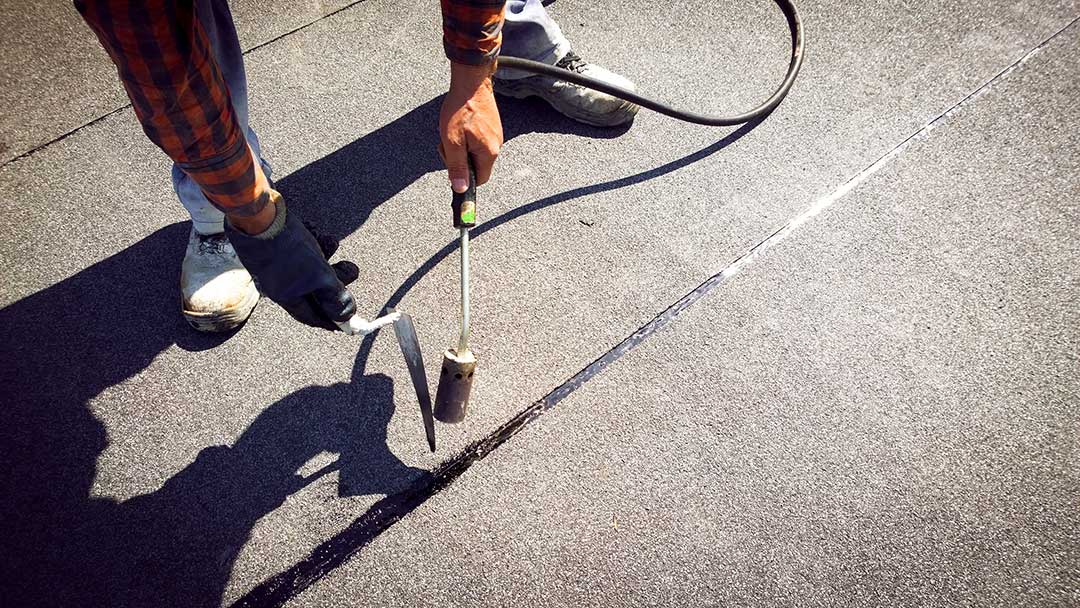
Materials that remain wet for extended periods may not dry adequately on their own. Porous materials can hold moisture below the surface, and painting over stains does not correct the underlying problem.
Cleaning or removing affected materials should be handled carefully. Larger areas of mold, heavily damaged materials, or locations that are difficult to reach may present safety concerns, particularly for people with asthma, severe allergies, or weakened immune systems.
How do Greene’s seasons affect roof-related allergens?
The local climate exposes homes to changing moisture conditions throughout the year. Snow and ice can place stress on roof edges and flashing, while spring rain can reveal weaknesses that were not obvious during winter. Summer humidity can slow drying in attics and enclosed cavities.
Heavy weather is not the only concern. Repeated expansion and contraction from freezing and thawing can open small gaps around roofing details. Wind can loosen materials or drive rain beneath exposed edges. Leaves and other debris can also interfere with drainage if they collect in roof valleys or gutters.
These conditions do not mean every older roof causes indoor air problems. They do mean that small water-management failures can become more consequential when a home experiences repeated wetting and drying cycles.
What should homeowners check after a roof replacement?
A roof replacement should be followed by an indoor inspection, especially if the old roof had known leaks. Look in the attic and upper-floor rooms for signs that moisture has stopped and affected materials are drying.
Useful checks include:
- Comparing attic humidity with indoor humidity
- Looking for new or expanding stains
- Checking insulation near roof edges and penetrations
- Smelling for mustiness after rainfall
- Confirming that bathroom and kitchen exhaust fans vent outdoors
- Watching for condensation on windows or cold surfaces
- Replacing visibly damaged air filters and cleaning settled dust
If allergy symptoms continue after the roof is repaired, the roof may not be the only source. Carpets, bedding, HVAC components, crawl spaces, pets, pests, cleaning products, and outdoor air entering through windows can all affect indoor air.
What are the limits of a new roof?
A new roof can reduce one important source of indoor moisture, but it is not an air-cleaning system. It will not eliminate pollen, pet dander, dust mites, or normal household dust. It also cannot correct poor ventilation, high indoor humidity, plumbing leaks, or mold that has already spread into building materials.
The most useful way to view a roof replacement is as part of moisture control. A dry roof assembly, properly sealed ceiling plane, balanced attic ventilation, clean drainage paths, and prompt attention to leaks work together to support healthier indoor conditions.
For local households, the clearest warning signs are recurring musty odors, unexplained ceiling stains, damp attic insulation, condensation, and allergy or respiratory symptoms that are noticeably worse in certain rooms. These signs deserve attention even when the roof does not appear severely damaged from the ground.
