
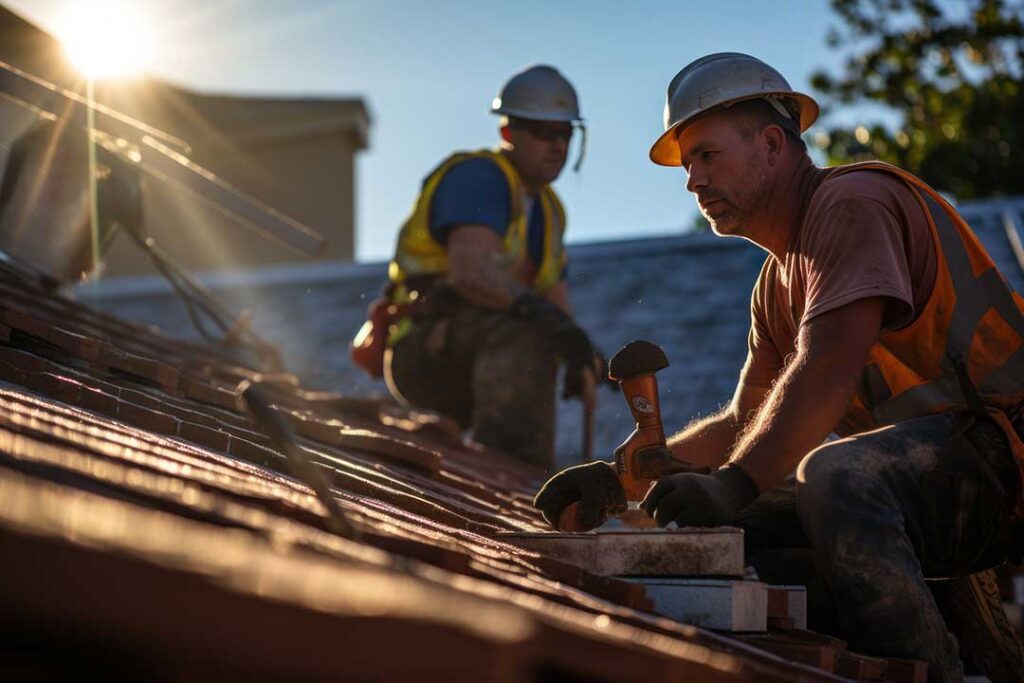
A professional roof inspection is a systematic review of the roof system, not simply a quick look at shingles from the ground. In Greene, NY, an inspection may include the roof surface, flashing, drainage, attic, ventilation, and visible signs of moisture or structural stress.
The purpose is to document the roof’s current condition, identify developing problems, and explain which findings require attention now versus later.
What happens before the inspection begins?
The inspection usually starts with a brief discussion about the home’s history and any concerns noticed by the occupants. Useful information may include:
- The approximate age of the roof
- Past repairs or storm damage
- Water stains on ceilings or walls
- Drafts, unusual odors, or visible daylight in the attic
- Ice buildup, leaking after heavy rain, or problems with gutters
- Any recent remodeling, tree work, or exterior changes
This background helps direct the inspection toward areas that may need closer attention. A roof can appear serviceable from the outside while still allowing moisture into the attic or wall system.
The inspector may also review the roof’s general design, including roof slopes, valleys, dormers, skylights, chimneys, plumbing vents, and areas where different materials meet.
Is the roof inspected from the ground?
Yes. A ground-level review is an important first step, but it is not normally enough by itself.
From the ground, an inspector can look for uneven roof lines, missing shingles, sagging areas, exposed underlayment, damaged flashing, overflowing gutters, and heavy moss or algae growth. Binoculars or a camera with a zoom lens may help examine portions of the roof that are difficult to reach safely.
The inspector may also look at nearby trees, because overhanging limbs can scrape roofing materials, drop branches, and add leaves to drainage systems. Patterns of staining on siding, fascia, or soffits may provide clues about roof runoff or gutter overflow.
A ground inspection is especially useful when the roof is too steep, wet, icy, fragile, or otherwise unsafe to walk on. It can identify many concerns, but some defects are only visible from closer range or from inside the attic.
Will the inspector walk on the roof?
Sometimes, but not automatically. Safe access depends on the roof’s slope, surface condition, height, weather, age, and overall stability.
A roof may not be walked if it is covered with snow, frost, ice, standing water, loose materials, or brittle roofing that could break under foot. Steep roofs and roofs with limited access may be examined from ladders, nearby roof sections, binoculars, or specialized cameras instead.
A responsible inspection should not create additional damage. If a roof surface cannot be safely accessed, the inspection report should explain the limitation rather than imply that every part of the roof was physically examined.
What defects are checked on the roof surface?
The roof surface is reviewed for both obvious damage and early signs of wear. Common observations include:
- Missing, cracked, curled, blistered, or loose shingles
- Granule loss in gutters or at the base of downspouts
- Exposed fasteners or nail pops
- Damaged ridge caps or loose flashing
- Soft areas that may indicate deteriorated decking
- Open seams, gaps, or failed sealant
- Moss or organic growth holding moisture against the roof
- Wear around valleys, edges, penetrations, and roof transitions
The inspector also looks for installation details that can affect future performance. Shingles may be intact while flashing around a chimney, wall, skylight, or plumbing vent is poorly sealed or deteriorated.
Not every imperfection means the roof is failing. A few lifted tabs, minor surface discoloration, or limited granule loss may have different significance depending on the roof’s age, exposure, and location.
Why are flashing and roof penetrations examined closely?
Flashing directs water away from vulnerable joints. It is commonly found around chimneys, sidewalls, dormers, skylights, roof edges, valleys, and plumbing vents.
These locations deserve special attention because water can enter through a small gap and travel along framing or insulation before appearing as an interior leak. The visible stain may be several feet away from the actual entry point.
An inspection may identify rusted metal, separated seams, missing pieces, deteriorated rubber boots, cracked masonry joints, or sealant that has pulled away from the surrounding material. Repeated patching may also suggest that the underlying flashing design needs a closer review.
What is checked in the attic?
The attic often provides some of the clearest evidence of how a roof is performing. The inspector may look at the underside of the roof decking, rafters, trusses, insulation, ventilation openings, and areas around roof penetrations.
Signs of concern can include:
- Water marks or active dripping
- Damp or compressed insulation
- Mold-like surface growth caused by persistent moisture
- Rusted nails or fasteners
- Darkened wood or deteriorated decking
- Condensation patterns
- Blocked soffit vents
- Inadequate or uneven ventilation
- Daylight visible through areas that should be sealed
An attic inspection can also distinguish between roof leakage and condensation. During cold weather, warm indoor air can enter a poorly sealed attic and condense on cold surfaces. That moisture may resemble a roof leak, even when the roof covering is not the source.
This distinction matters because replacing shingles will not correct an indoor-air or ventilation problem.
How are gutters and drainage evaluated?
Roof inspections generally include visible drainage components because water must leave the roof efficiently. Gutters, downspouts, valley outlets, and extensions are checked for clogging, sagging, loose fasteners, corrosion, and poor discharge locations.
The inspection may also consider whether water is being directed toward the foundation, siding, walkways, or landscaped areas. In a region with freezing temperatures, leaves, ice, and repeated freeze-thaw cycles can place additional stress on gutters and downspouts.
Drainage problems do not always originate with the roof itself. A clogged gutter may cause overflow, while an undersized or poorly positioned downspout may allow water to collect near the foundation.
What does a roof inspection report include?
A useful report explains observed conditions in plain language and separates urgent concerns from routine maintenance. It may include photographs, notes about inaccessible areas, an estimated remaining service period, and recommendations for monitoring or repair.
The report should answer practical questions such as:
- Is the roof currently allowing water inside?
- Which defects could lead to leakage?
- Are problems isolated or widespread?
- Are attic moisture or ventilation issues present?
- Does the roof appear near the end of its service life?
- Which repairs should be addressed first?
- What conditions should be monitored over time?
An inspection is not the same as a guarantee. It reflects conditions visible on the inspection date and may not reveal concealed damage beneath roofing materials, insulation, siding, or finished ceilings.
When is an inspection especially useful in Greene, NY?
Inspections are particularly helpful after severe wind, heavy rain, falling branches, prolonged snow, or repeated freeze-thaw conditions. They can also be useful before buying or selling a home, after discovering an interior stain, or when a roof is approaching the age at which repairs become more frequent.
Local homes may include older roof assemblies, additions with different rooflines, enclosed attic spaces, and varied ventilation designs. These features can make a simple exterior glance misleading.
A careful inspection provides a condition record and helps separate normal aging from defects that could allow water intrusion. The most useful result is not a dramatic label, but a clear explanation of what was observed, what it may mean, and what deserves attention first.
