

Storms, falling branches, ice buildup, and aging materials can turn a minor roofing problem into an emergency. The first priorities are protecting people, limiting interior damage, and deciding whether the roof is safe to approach.
In Greene, NY, emergency roof problems may follow heavy rain, strong wind, wet snow, freeze-thaw cycles, or fallen limbs. A calm, orderly response can prevent additional damage while making later repairs easier to evaluate.
What qualifies as an emergency roof repair?
An emergency exists when roof damage allows water into the living space, creates a risk of structural failure, exposes electrical components, or leaves part of the roof open to the weather.
Common examples include:
- A large section of shingles or membrane has blown away
- Water is pouring through a ceiling or running down walls
- A tree limb has struck the roof
- A ceiling is bulging from trapped water
- Rafters, decking, or framing appear broken
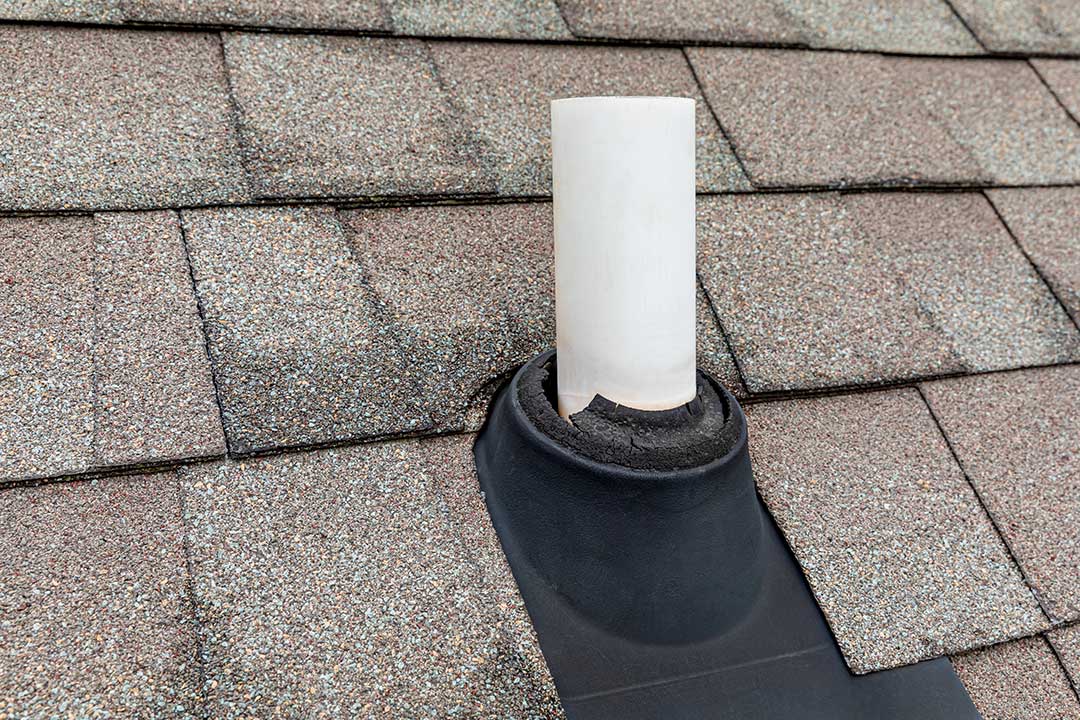
- A chimney, vent, or flashing area has been displaced
- Snow or ice has caused visible sagging
- A roof opening exposes insulation, wiring, or attic space
A few missing shingles are not always an emergency, especially if the roof deck remains dry and the weather is stable. However, a small opening can enlarge quickly during wind or rain, so it should still be documented and protected as soon as conditions allow.
What should be done first inside the house?
Move people, furniture, electronics, and valuables away from the affected area. If water is near light fixtures, outlets, appliances, or electrical panels, avoid touching wet electrical equipment and use the main shutoff only if it can be reached safely from a dry location.
Place containers under active drips and use towels to protect floors, but do not stand beneath a visibly swollen ceiling. A bulge may contain a significant amount of water and could collapse without warning.
If the ceiling begins to sag, crack, or separate from the framing, clear the room. Do not puncture the bulge unless there is a specific, safe method and the area has been assessed for electrical hazards. In many situations, waiting is safer than trying to release the water.
Photograph and record:
- The damaged roof area, if visible from the ground
- Interior stains, holes, or ceiling damage
- Wet insulation, flooring, furniture, and belongings
- Fallen branches, ice, or other apparent causes
- The date and approximate time the damage was discovered
These records help explain what happened and distinguish new damage from older staining.
Is it safe to climb onto the roof?
Usually, no. A wet, icy, snow-covered, steep, or visibly damaged roof should not be climbed by a homeowner. Emergency conditions often involve hidden weaknesses in roof decking, slippery surfaces, unstable ladders, and falling debris.
Avoid roof access during rain, high wind, lightning, or active snowfall. Never install a tarp while a storm is still producing dangerous wind. A tarp can act like a sail, and a person may lose footing before the covering is secured.
Special caution is needed around:
- Downed utility lines
- Damaged service entrances or electrical equipment
- Metal gutters or ladders near overhead lines
- Broken skylights
- Loose tree limbs
- Chimneys that are leaning or cracked
- Large snow or ice loads near roof edges
Assume any downed electrical line is energized. Keep people and pets away from the area and do not drive over a fallen line. Roof access, ladder placement, and temporary covering should be handled only when the conditions and equipment are genuinely safe.
How can temporary protection limit further damage?
Temporary protection is meant to keep weather out until permanent work can be completed. It is not a substitute for repairing damaged decking, flashing, shingles, underlayment, or structural framing.
From the ground, check whether the damaged area can be protected without climbing. If a safe interior route exists, a heavy-duty plastic sheet may sometimes be positioned beneath a small attic leak to direct water into a container. Keep plastic away from hot equipment, lighting, and exposed wiring.
A roof tarp is most effective when it extends well beyond the damaged area and is secured without depending on loose shingles, damaged trim, or weak roof edges. Improvised fastening can create more holes or allow wind to pull the covering loose.
Do not use:
- Household blankets as long-term weather protection
- Loose plastic weighted with bricks on a roof
- Roofing cement on wet, icy, or unstable surfaces
- Open flames or heat tools to melt roof ice
- Nails driven through an area that may contain wiring
- Interior paint as a way to hide active moisture
If water is entering rapidly, protecting the inside of the building and moving belongings may be more useful than attempting an unsafe exterior repair.
What should residents do after wind or winter weather?
After strong wind, inspect from the ground once conditions are safe. Look for shingles in the yard, lifted flashing, missing ridge caps, displaced vents, gutter sections, and exposed underlayment. Do not assume a roof is sound simply because the damage is not visible from the street.
Winter damage can be deceptive. Snow and ice may cover missing materials, while repeated freezing and thawing can open gaps around flashing, chimneys, valleys, and roof penetrations. Ice buildup near the lower edge may also block drainage and push melting water beneath shingles.
Do not chip ice aggressively with tools. This can damage shingles, gutters, and flashing while sending heavy pieces to the ground. Keep people away from areas where snow or ice may slide from the roof. Snow falling from a roof can injure someone even when the roof itself appears stable.
When is evacuation or urgent emergency help necessary?
Leave the affected area, or the building if needed, when there is a risk of collapse, fire, gas exposure, major electrical damage, or falling structural material. Warning signs include a rapidly spreading ceiling crack, sagging roof lines, shifting walls, unusual popping sounds, smoke, burning odors, or water reaching electrical equipment.
Emergency services may be appropriate for immediate danger to life, active fire, downed utility lines, or a structure that appears unstable. Roof leakage alone is generally a property emergency rather than a life-threatening emergency, but the situation can become dangerous if electrical systems or structural components are involved.
How should permanent repairs be approached?
Once the immediate danger has passed, the roof should be examined for both visible damage and hidden moisture. A proper assessment may need to include the attic, roof decking, insulation, flashing, gutters, ventilation components, and interior finishes.
A patch over the visible hole may not solve the underlying problem. For example, water entering near a chimney can travel along framing before appearing several feet away inside the house. Stained drywall may therefore mark the path of water rather than the exact entry point.
Keep notes about the storm, temporary measures, affected rooms, and any changes after rainfall or melting snow. Avoid removing damaged materials before they have been documented unless they pose an immediate hazard.
Fast action does not mean taking unnecessary risks. In most roof emergencies, the safest first repair is controlling interior water, keeping people clear of hazards, and preventing additional exposure until the roof can be safely assessed and restored.
