
What does a cool roof rating measure?
For residents of Greene, NY, a cool roof rating provides a way to compare how strongly a roofing material reflects sunlight and how efficiently it releases absorbed heat. The rating does not describe the roof’s durability, expected lifespan, snow performance, or overall quality.
Cool roof performance is based mainly on two measurements:
- Solar reflectance: The portion of sunlight a roof reflects instead of absorbing. This is reported on a scale from 0 to 1. A higher number generally means the roof absorbs less solar energy.
- Thermal emittance: The ability of the roof surface to release absorbed heat as infrared radiation. This is also reported from 0 to 1, with higher values generally helping the surface cool more effectively.
A roof with both high solar reflectance and high thermal emittance usually stays cooler in direct sunlight than a roof with low values.
Why does a cooler roof matter?
A roof exposed to strong summer sun can become much hotter than the surrounding air. Some of that heat moves through the roof assembly and into the attic or living space. A cooler surface can reduce that heat transfer, particularly in buildings with limited insulation or air conditioning.
Cool roofing tends to provide its clearest energy benefit during sunny, warm weather. The effect may be less noticeable in a well-insulated home, a shaded home, or a building with a small roof area exposed to the sun.
In the Northeast, the calculation is more balanced than in consistently hot climates. A reflective roof may reduce summer heat entering the home, but the roof’s effect on winter heating is usually smaller than factors such as insulation, air sealing, windows, and heating-system efficiency. Roof color alone should not be treated as a substitute for a properly insulated attic.
Is a white roof always the coolest roof?
No. White roofing materials often have high solar reflectance, but color is only a visual clue. Roofing manufacturers can formulate darker materials that reflect more of the sun’s invisible near-infrared energy than conventional dark materials.
This means a gray, brown, green, or other colored roof may have useful cool-roof performance even if it does not appear bright or white. Two products with a similar visible color can have different solar reflectance values.
A product label or tested rating is more useful than appearance alone.
What is the difference between a product rating and a roof system?
A cool roof rating generally describes the exposed surface of a roofing product, such as a shingle, metal panel, membrane, tile, or coating. It does not automatically describe the performance of the entire roof assembly.
Actual indoor comfort and energy use also depend on:
- Attic insulation levels
- Air leakage between the home and attic
- Roof ventilation design
- Roof pitch and orientation
- Shade from trees or nearby structures
- Ceiling construction
- Duct placement and insulation
- Condition of the roofing material
- Local weather and seasonal solar exposure
For example, a highly reflective roof installed over a poorly insulated attic may still allow substantial heat transfer. Conversely, a roof with moderate reflectance over a well-insulated and air-sealed attic may perform comfortably.
What does a CRRC label show?
Roofing products tested through the Cool Roof Rating Council system may carry a label showing solar reflectance and thermal emittance. Labels commonly provide both initial and aged or weathered values.
The weathered value deserves close attention because roofing surfaces collect dust, pollen, organic debris, and other contaminants. Materials can also change as they age. A product that performs strongly when new may have a lower solar reflectance after years of exposure.
The label may also show a Solar Reflectance Index, or SRI. SRI combines solar reflectance and thermal emittance into one comparative measure. It can be useful for comparing products, but it should not replace reviewing the individual reflectance and emittance values.
A higher SRI usually indicates a cooler surface under standard test conditions. It does not predict the roof’s service life or guarantee a specific reduction in utility costs.
Do cool roof ratings apply to asphalt shingles?
Yes, but residential asphalt shingles often have more limited reflective performance than light-colored membranes, coated metal, or some other roofing materials. Specially designed reflective shingles may provide higher solar reflectance than standard dark shingles.
For a sloped residential roof, the practical choice may involve balancing:
- Appearance and neighborhood compatibility
- Solar reflectance
- Thermal emittance
- Wind resistance
- Ice and water protection
- Snow-shedding behavior
- Manufacturer installation requirements
- Availability of matching accessories
- Expected maintenance needs
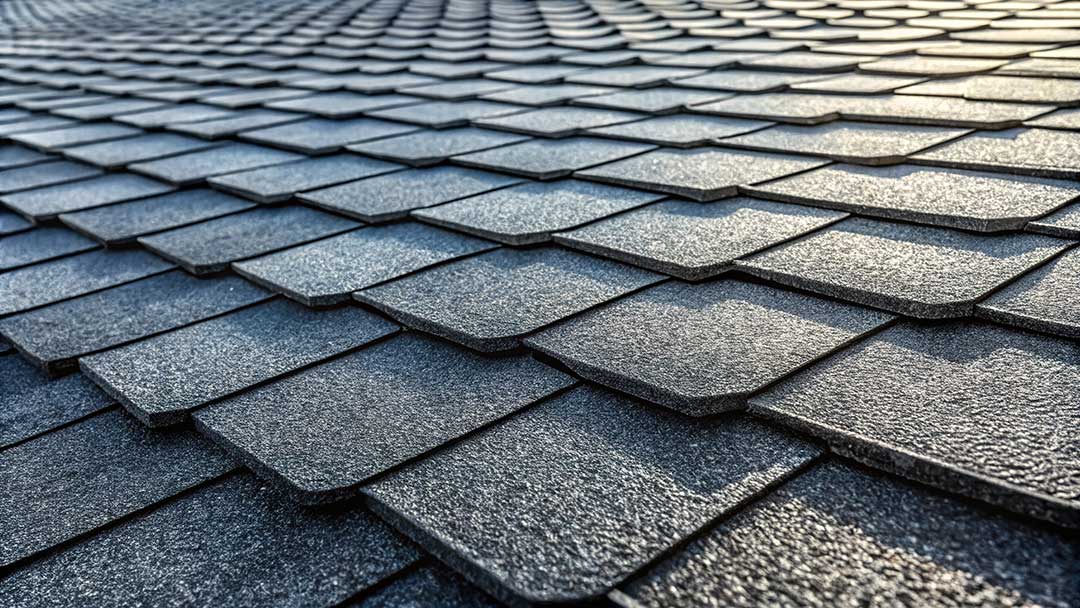
A shingle’s cool rating should be considered alongside the complete roofing system. Ridge ventilation, underlayment, flashing, and attic insulation still affect how the roof performs.
Could a cool roof create problems during winter?
A reflective roof is not automatically a winter problem, but its energy benefits should be understood realistically. A roof that absorbs less solar heat may receive less warming from sunlight during cold weather. In a snowy climate, however, snow cover, air temperature, wind, roof pitch, insulation, and attic heat loss usually have a larger effect on snow retention and ice formation.
Ice dams are primarily related to uneven roof temperatures and heat escaping from the building into the attic. Changing roof color alone does not correct inadequate insulation, air leakage, blocked ventilation, or poorly detailed eaves.
A cool roof also does not eliminate the need for proper snow and ice management. Heavy snow loads, drifting, and repeated freeze-thaw cycles remain separate roofing concerns for local homes.
Does a cool roof lower heating and cooling bills?
It may lower cooling demand during sunny warm periods, but the savings vary widely. A home with little air conditioning may see more improvement in indoor comfort than in electricity use. A shaded or heavily insulated home may see a smaller change. Roof size, orientation, attic construction, and weather all matter.
Cool roofing is generally more influential on buildings with large low-slope roofs, limited insulation, or substantial air-conditioning demand. For many houses in the community, attic insulation and air sealing may provide a more predictable year-round benefit than selecting the most reflective available roof color.
The best comparison is not simply the highest rating. It is the rating that fits the building’s construction, climate, roof design, budget, and long-term maintenance needs.
What should homeowners check before comparing ratings?
Start with the roof’s condition and the building’s needs. A reflective product cannot correct leaks, damaged decking, failed flashing, unsafe walking surfaces, or inadequate drainage.
Useful questions include:
- Is the roof sloped or low-slope?
- Is the attic insulated to a suitable level?
- Does the attic have balanced ventilation?
- Is air conditioning used often during summer?
- Does the roof receive direct afternoon sunlight?
- Will nearby trees deposit leaves or shade the roof?
- Are initial and weathered rating values available?
- Does the product require a particular underlayment, fastener, or installation method?
- Are local building requirements and permit rules satisfied?
For homes in Greene, seasonal conditions make durability, water management, wind resistance, and snow-related details just as relevant as reflectance. A roof should be evaluated as a complete assembly rather than by a single number on a label.
