
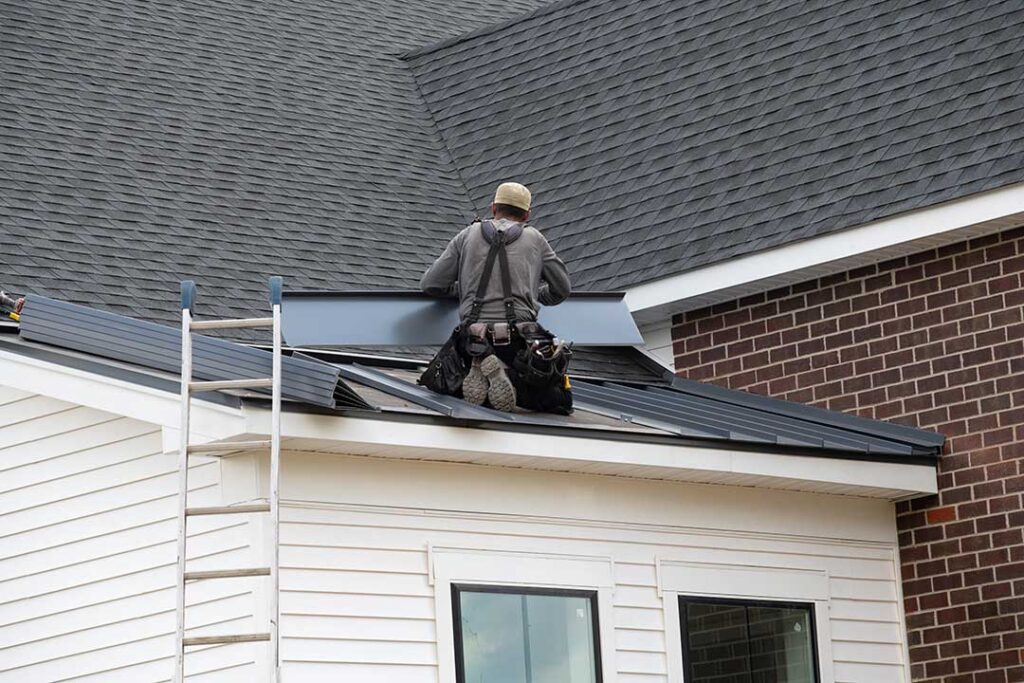
What happens during a professional roof inspection?
A professional roof inspection is a systematic review of the roof’s exterior, interior, drainage, and surrounding details. The purpose is to identify current damage, aging materials, installation concerns, and conditions that could lead to leaks or structural problems.
An inspection is not always the same as a repair estimate. A careful inspection documents the roof’s condition first, then explains which findings require immediate attention, which should be monitored, and which are normal signs of age.
For homes in Greene, NY, inspections may pay particular attention to freeze-thaw cycles, winter snow, ice buildup, wind exposure, and moisture that remains trapped beneath roofing materials.
Does the inspection begin inside or outside?
Most inspections begin with background questions and a visual review from the ground, followed by accessible areas inside the home. The order can vary depending on weather, roof design, and safety conditions.
The inspector may ask about:
- The age of the roof, if known
- Previous leaks or repairs
- Stains on ceilings or walls
- Drafts, unusual odors, or damp areas
- Recent storms or fallen branches
- Any changes to heating, ventilation, or attic insulation
Inside the home, the attic is especially useful because it can reveal problems that are not visible from above. The inspector may look for wet or darkened wood, mold-like growth, rusted fasteners, damaged insulation, daylight entering through roof surfaces, and inadequate ventilation.
A ceiling stain does not always appear directly below the roof defect. Water can travel along rafters, sheathing, insulation, or framing before becoming visible inside a room.
What is checked on the roof surface?
The exterior review examines the roofing materials and the details where water is most likely to enter. If the roof is unsafe to walk on because of steep slopes, wet surfaces, loose materials, ice, or structural weakness, the inspection may be performed from ladders, roof edges, binoculars, or other safe viewing points.
Common areas of review include:
- Missing, cracked, curled, blistered, or loose shingles
- Exposed fasteners or deteriorated sealant
- Damaged flashing around chimneys, vents, skylights, and wall intersections
- Sagging areas or uneven roof lines
- Soft spots that may indicate weakened sheathing
- Granule loss in gutters or near downspouts
- Moss, algae, or organic debris holding moisture against the roof
- Punctures from branches, tools, animals, or previous work
A few loose shingles do not automatically mean the entire roof must be replaced. The significance depends on the roof’s age, the condition of nearby materials, the extent of water entry, and whether the underlying structure remains sound.
Why are flashing and roof penetrations examined closely?
Flashing directs water away from joints and changes in the roof’s shape. It is installed around chimneys, plumbing vents, skylights, dormers, walls, valleys, and other areas where roofing materials meet.
These locations deserve close attention because they involve multiple materials and seams. Sealant may crack, metal may corrode or pull away, and older flashing may no longer fit tightly. A roof can appear generally intact while still developing leaks at one poorly sealed transition.
Inspectors also examine vent pipes and roof-mounted equipment for cracked collars, deteriorated rubber seals, loose connections, or openings around the base. Small defects in these areas can produce recurring stains that are difficult to trace from inside the home.
What role do gutters, downspouts, and drainage play?
Roof inspections include drainage because water that cannot leave the roof properly can contribute to leaks, ice buildup, and premature material wear.
The inspector may check whether:
- Gutters are securely attached and sloped correctly
- Downspouts discharge water away from the foundation
- Leaves and debris are blocking water flow
- Gutter edges are pulling away from the roof
- Water is spilling over during rain
- Valleys and low-slope areas are collecting debris
- Ice dams may have formed during winter conditions
In this region, repeated freezing and thawing can enlarge small cracks and loosen materials over time. Water that enters a crack, freezes, expands, and then thaws may gradually worsen the opening.
Drainage problems can also affect siding, trim, foundations, walkways, and landscaping. A roof inspection may identify these related concerns even when the roofing material itself is not the primary problem.
How are storm-related problems identified?
Storm damage is evaluated by looking for patterns rather than relying on a single mark. Wind may lift or loosen shingles, damage ridge caps, or create openings around flashing. Hail can leave dents, fractures, or exposed areas in roofing materials, although some marks are difficult to distinguish from normal aging.
The inspection may also include nearby trees, branches, vents, gutters, and flashing. Damage does not always occur directly above an interior leak, and water may not appear indoors until days or weeks after a storm.
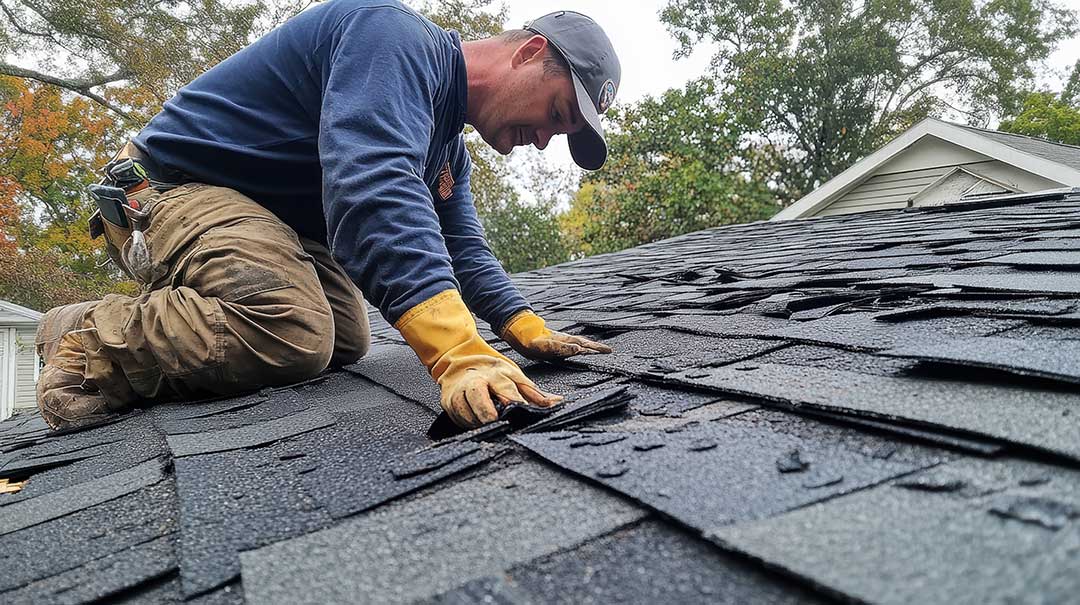
A roof can also experience gradual deterioration that happens to be noticed after severe weather. The inspection should distinguish between sudden storm-related damage, long-term wear, previous repairs, and maintenance issues.
Will the inspector determine whether the roof needs replacement?
An inspection can indicate whether repair, monitoring, or replacement is more appropriate, but the decision depends on several factors.
Important considerations include:
- The roof’s approximate age
- The number and size of damaged areas
- Whether leaks have reached the sheathing or framing
- The condition of flashing and ventilation
- Evidence of repeated repairs
- Whether roofing materials are near the end of their expected service life
- The cost and practicality of isolated repairs
- Whether local building requirements affect the work
A roof does not necessarily need replacement because it is old, and a newer roof is not automatically free of defects. Poor ventilation, installation errors, storm damage, or flashing failures can affect a roof at any age.
What should a written inspection report include?
A useful report should explain observations in plain language and separate urgent concerns from routine maintenance. It may include photographs, roof areas inspected, inaccessible locations, visible defects, probable causes, and recommendations for further evaluation.
Readers should look for clear answers to questions such as:
- Is there active water entry?
- Is the roof safe to continue using?
- Are the visible problems localized or widespread?
- Is the attic showing moisture or ventilation concerns?
- Which defects require prompt attention?
- What conditions should be checked again later?
An inspection report describes visible conditions; it does not always identify every concealed defect. Roofing layers, insulation, framing, and flashing may hide problems that become apparent only after materials are opened or removed.
How should Greene, NY homeowners prepare?
Preparation can make the inspection more useful. Clear stored items away from attic access points, identify rooms with past stains, and provide information about leaks, repairs, storms, or unusual moisture. If possible, make sure the inspector can safely reach the attic, roof edges, gutters, and exterior walls.
Avoid covering stains with fresh paint before the inspection. A stain that appears dry may still show important evidence of a past leak, especially if the source was never corrected.
After the inspection, keep the report and photographs with other home records. Roof conditions can change with another winter, severe storm, renovation, or drainage problem, so documenting the baseline helps distinguish new damage from older conditions.
When is an inspection especially useful?
A roof inspection is particularly useful after a major storm, before buying or selling a home, when a roof is approaching an expected service-life milestone, or when unexplained stains and moisture appear indoors.
It is also useful when a homeowner notices recurring gutter overflow, daylight in the attic, damaged flashing, sagging roof lines, or repeated patching in the same area. Active leaks, structural sagging, exposed decking, or electrical hazards near wet areas require prompt attention because they may affect both the building and household safety.
