
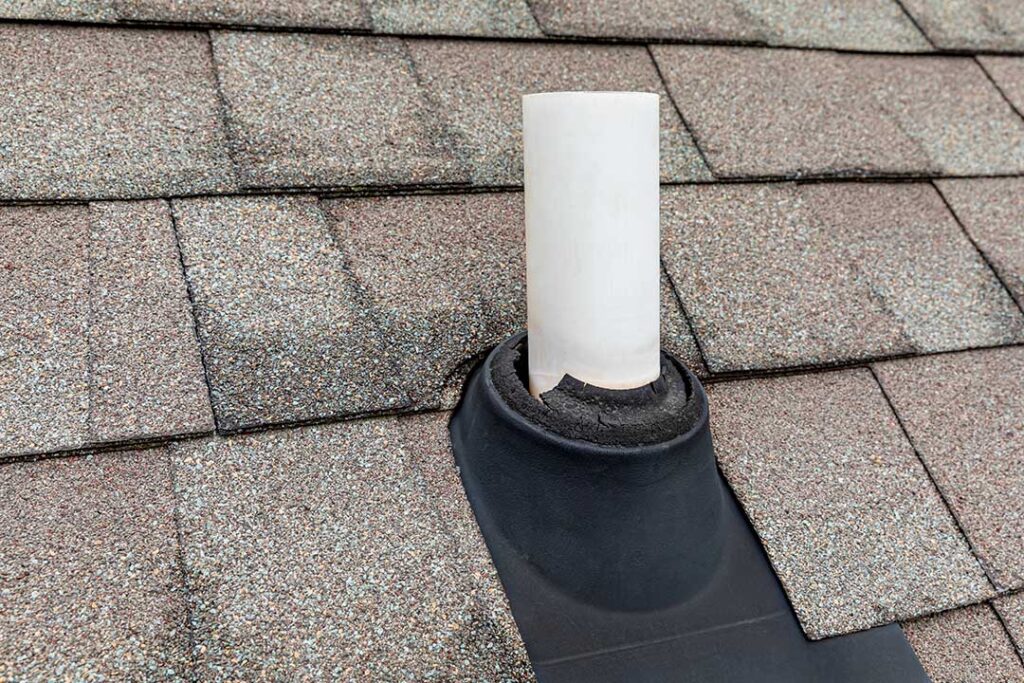
A roof warranty is a written promise about certain roof materials, installation work, or both. It does not guarantee that a roof will never leak, and a long warranty period does not necessarily mean every repair will be covered.
For homeowners in Greene, NY, understanding the difference between warranty types can make roof records easier to manage and help prevent confusion after storm damage, a leak, or a repair.
What does a roof warranty usually cover?
Most roof warranty protection falls into two separate categories: materials and workmanship.
A manufacturer’s warranty generally covers defects in roofing products, such as shingles, underlayment, membranes, or certain accessories. If a product fails because it was defective, the manufacturer may provide replacement materials, a prorated credit, or another remedy described in the written terms.
A workmanship warranty comes from the roofing contractor or installer. It generally addresses problems caused by installation, such as improperly placed flashing, exposed fasteners, poor sealing, or incorrectly installed roof components.
These warranties may overlap, but they are not interchangeable. A manufacturer may deny a claim if the product was installed incorrectly, while an installer may not be responsible for a manufacturing defect.
The warranty should clearly identify:
- Who provides the coverage
- What part of the roofing system is covered
- How long coverage lasts
- Whether labor is included
- Whether coverage decreases over time
- How a claim must be submitted
- What conditions or events are excluded
Does a “30-year roof” come with a 30-year warranty?
Not necessarily. A “30-year” or “lifetime” description often refers to the product’s expected service life under stated conditions, not a promise that the roof will remain leak-free for that entire period.
A warranty may provide full coverage for an initial period and then shift to prorated coverage. Under prorated coverage, the amount paid toward replacement materials decreases as the roof gets older. Labor, disposal, tear-off, flashing, ventilation, and interior water damage may not be included.
The word “lifetime” also requires careful reading. In many product warranties, it means the lifetime of the original owner or the period during which the owner continues to live in the home. Transfer to a future owner may be limited or unavailable.
A roof’s actual lifespan can also be affected by ventilation, attic moisture, installation quality, snow and ice, wind, falling branches, algae, maintenance, and the condition of the underlying roof deck.
What is usually excluded?
Roof warranties typically cover defects, not every cause of roof damage. Common exclusions include:
- Wind, hail, tornadoes, falling trees, and other storm events
- Damage caused by foot traffic or alterations
- Improper repairs by another party
- Poor attic ventilation or excessive interior moisture
- Ponding water on low-slope areas
- Structural movement or settlement
- Condensation, ice-related damage, or insufficient insulation
- Damage from animals, pests, or vegetation
- Failure to maintain roof drainage systems
- Work involving chimneys, skylights, solar equipment, antennas, or other penetrations unless specifically included
In Greene, seasonal conditions can make these distinctions especially relevant. Freeze-thaw cycles, snow accumulation, ice dams, wind-driven rain, and blocked gutters can create problems that are not considered manufacturing defects or installation failures.
A warranty may also exclude consequential damage. For example, it might cover replacement of defective shingles but not repainting a ceiling, replacing wet insulation, moving belongings, or repairing damaged flooring.
What is the difference between a roof warranty and homeowners insurance?
A warranty generally addresses defective materials or installation. Homeowners insurance typically addresses sudden, accidental damage caused by covered events, subject to the policy’s deductible, limits, and exclusions.
For example, a manufacturer’s warranty may apply if shingles crack because of a product defect. Insurance may be relevant if a windstorm removes shingles. Neither document should be assumed to cover gradual deterioration, deferred maintenance, or an aging roof.
A home service contract marketed as a “home warranty” is different again. These contracts may offer limited repair benefits for certain household systems, but they are not the same as a roofing material warranty or an installer’s workmanship warranty. Roof coverage under such a contract may be narrow, capped, or limited to specific types of leaks.
Can a warranty be transferred when a house is sold?
Sometimes, but the rules vary. Some manufacturer warranties transfer once, while others end when the property changes ownership. A transfer may need to be completed within a specified number of days after closing, and the new owner may receive reduced coverage.
The sale of a home can also affect a workmanship warranty. The written contractor warranty should state whether it belongs to the original customer or follows the property.
Useful records include:
- The original contract and scope of work
- Product names and installation dates
- Warranty certificates
- Receipts and payment records
- Permit or inspection documents, when applicable
- Photos taken before, during, and after installation
- Records of repairs, cleaning, inspections, or roof access
Keeping these documents with other home records is particularly helpful when ownership changes or the original installer is no longer available.
What maintenance can affect warranty coverage?
Many warranties require reasonable maintenance. That does not usually mean a homeowner must perform specialized roof work, but it may require keeping gutters and downspouts functional, preventing avoidable damage, and addressing known problems within a reasonable time.
After major weather, a visual inspection from the ground can help identify missing shingles, displaced flashing, sagging areas, or debris. Walking on the roof can damage materials and create a fall hazard, especially when surfaces are wet, icy, steep, or covered with snow.
Maintenance records can help show that a problem was reported and addressed. They may also reveal whether a leak began at the roof covering, flashing, chimney, vent, skylight, or another building component.
What should homeowners check before accepting a roof warranty?
The most useful warranty is not necessarily the one with the largest number of years. Read the actual terms and look for answers to these questions:
1. Is the coverage for materials, workmanship, or both?
2. Who must be notified when a problem appears?
3. Is there a deadline for submitting a claim?
4. Does the warranty cover labor and tear-off?
5. Is the coverage full, limited, or prorated?
6. What happens if the installer closes, changes ownership, or stops operating?
7. Does another contractor’s repair affect the warranty?
8. Are flashing, ventilation, underlayment, edging, and ventilation components included?
9. Are storm damage, ice dams, and leaks around penetrations excluded?
10. Is the warranty transferable to a future homeowner?
Promises made during a conversation should be included in the written agreement. If a term is unclear, ask for an explanation in writing before work begins.
What should happen when a roof problem appears?
Document the issue promptly. Take photographs from safe locations, note the date, and describe what was observed inside and outside the home. Protecting belongings from active water intrusion is reasonable, but temporary measures should not conceal the original condition or create additional damage.
Notify the party identified in the warranty paperwork rather than assuming the installer and manufacturer use the same claim process. Keep copies of emails, letters, photographs, inspection notes, and repair invoices.
A warranty claim may be denied if the cause is excluded, if the roof was modified improperly, or if the problem resulted from a building condition outside the warranty’s scope. A denial should be compared with the specific language in the written warranty, not only with a sales summary or verbal explanation.
The central question is not simply, “How many years is the warranty?” It is, “What problem does this warranty cover, who is responsible for correcting it, and what costs remain with the homeowner?” Those details determine the practical value of roof warranty protection.
