
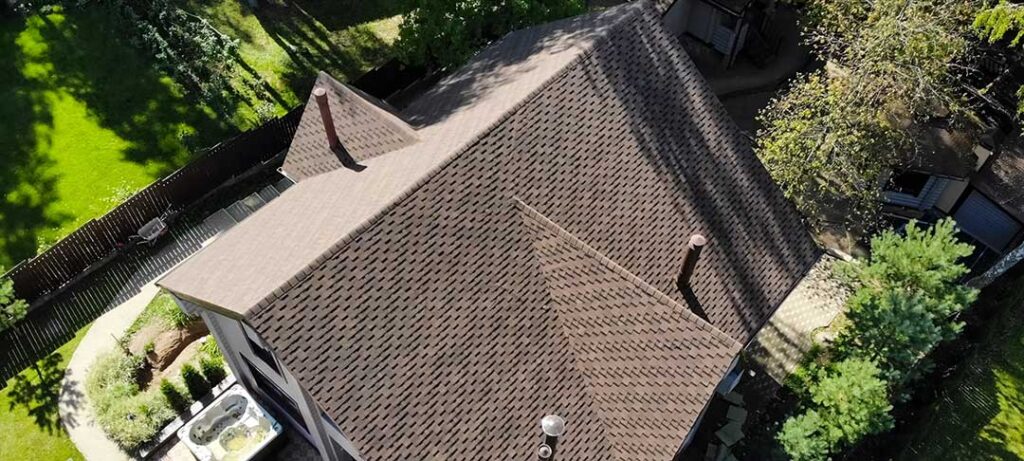
Roof valleys are the channels where two sloping roof sections meet. They collect and direct a large amount of rainwater, melting snow, and ice toward the gutters or lower roof edge. Because of that, valley problems can cause leaks even when the rest of the roof appears to be in good condition.
In Greene, NY, seasonal snow, freeze-thaw cycles, wind-driven rain, and spring runoff can place extra stress on these areas. Knowing what to look for can help residents identify developing damage before water reaches ceilings, insulation, or framing.
What makes a roof valley vulnerable?
A valley concentrates water from two roof slopes into one narrow drainage path. It may also collect leaves, pine needles, ice, and windblown debris. When the flow is blocked or the valley lining is damaged, water can back up under nearby roofing materials.
Valleys are commonly built in one of three ways:
- Open valleys have visible metal or roofing membrane running down the channel.
- Closed valleys are covered by shingles that overlap across the valley.
- Woven valleys use shingles from both roof planes interlaced across the channel.
Each design can perform well when properly installed and maintained. Failure often begins where materials meet, fasteners penetrate, water changes direction, or debris remains trapped.
What are the first visible signs of a failing valley?
The earliest clues are often small and easier to spot from the ground or attic than from the roof surface.
Look for:
- Missing, lifted, cracked, or curled shingles near the valley
- Exposed underlayment, metal, or fasteners
- Dark streaks, rust-colored marks, or staining along the valley
- Granules collecting heavily in gutters below the valley
- Shingle edges that appear uneven, wavy, or detached
- A visible dip or sag in the roof plane beside the valley
- Leaves and sediment packed into the channel
- Water marks on soffits, fascia boards, or exterior walls below the valley
A valley does not need to have an obvious hole to leak. Small openings under shingles can allow water to travel sideways before it appears indoors, making the interior stain seem unrelated to the actual entry point.
How can interior signs reveal valley leakage?
Interior evidence often appears before serious exterior deterioration becomes obvious. Check the attic, upper-floor ceilings, and walls near roof intersections after heavy rain or during snowmelt.
Possible warning signs include:
- Brown or yellow ceiling stains
- Damp insulation
- Musty odors in the attic
- Darkened roof sheathing
- Peeling paint near upper walls or ceiling corners
- Soft drywall or bubbling finishes
- Drips that occur only during wind-driven rain
- Frost or wet wood on the underside of the roof deck
Water entering at a valley may not drip directly beneath it. Roof framing, insulation, and sheathing can redirect moisture several feet from the original entry point.
If the roof deck feels soft, appears bowed, or shows widespread dark staining, the problem may involve more than surface shingles. Saturated wood can lose strength, and wet insulation can remain damp long after visible dripping stops.
Does ice or snow make valley damage worse?
Yes. Valleys often collect deeper snow and ice than nearby roof sections, especially where two roof slopes meet or where one roof section drains onto another. New York guidance recognizes roof valleys and roof intersections as areas where snow can drift and create concentrated loads.
Freeze-thaw cycling creates additional stress. Water can enter a small crack, freeze, expand, and enlarge the opening. Repeated thawing and refreezing may loosen shingles, split sealant, distort metal flashing, or force water beneath the valley covering.
Ice dams at the lower edge of a roof can also back water up toward valleys. Poor attic insulation, air leakage, blocked ventilation, and uneven roof temperatures can contribute to this pattern. The result may be leakage that appears during warm afternoons after a snowy night.
Never climb onto an icy roof or try to break apart heavy ice with sharp tools. Falling ice, slippery surfaces, and hidden roof damage create serious hazards.
What debris problems should homeowners watch for?
Debris is more than a cosmetic concern in a roof valley. Leaves and needles can hold moisture against roofing materials and slow drainage. Small branches may scratch metal or puncture membranes. Mud-like sediment can conceal cracks and make it difficult to see whether water is moving correctly.
A valley that repeatedly fills with debris may have surrounding trees, a low-slope design, an obstructed drainage path, or a nearby roof section that sheds material into it. After autumn leaf fall and major windstorms, visual checks from the ground can identify buildup before the next prolonged rain.
Gutter blockages below a valley can create a similar problem. If water cannot leave the roof edge efficiently, it may back up under the lowest shingles and worsen damage that began higher in the valley.
What does failed valley flashing look like?
Valley flashing may be made from metal, membrane, or layered roofing materials. Signs of failure include:
- Rust holes or corrosion along exposed metal
- Separated seams
- Buckled or displaced flashing
- Cracked sealant at joints
- Fasteners placed too close to the drainage channel
- Shingles cut unevenly or extending too far into the water path
- Exposed underlayment at the sides of the valley
- Water marks directly below flashing transitions
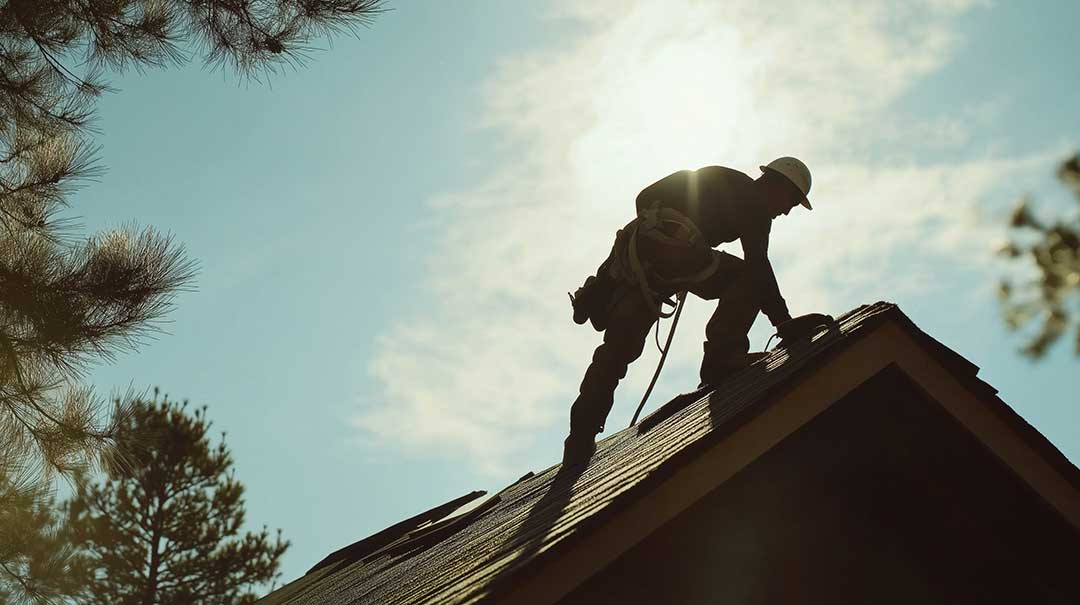
Sealant alone is not a permanent substitute for properly integrated flashing. Sealant can shrink, crack, or separate as temperatures change. A repair that covers the visible symptom without correcting the underlying drainage or flashing detail may only delay the next leak.
Can roof valleys fail even when shingles look fairly new?
Yes. A relatively new roof may still develop valley problems because of installation errors, storm damage, movement of the roof deck, incompatible materials, or inadequate protection beneath the shingles.
Common causes include:
- Insufficient valley lining
- Improper shingle cuts
- Roofing nails placed in the water channel
- Flashing installed over rather than under the wrong layers
- Poorly sealed transitions at dormers or sidewalls
- Ice dam exposure
- Debris abrasion
- Structural movement or roof settlement
The age of the shingles does not provide a complete assessment of valley condition. The valley’s drainage path, underlayment, flashing, and surrounding roof structure all matter.
When is a valley problem urgent?
Prompt attention is warranted when water is actively entering the home, the roof deck is sagging, insulation is wet, or a large section of flashing has pulled loose. Electrical fixtures, attic wiring, and ceiling damage increase the risk when leaks spread indoors.
A roof may also require immediate safety assessment after:
- Heavy snow or ice accumulation
- A fallen branch
- Strong wind that lifted roofing materials
- A visible structural dip
- Repeated leaks during separate storms
- A ceiling bulge containing trapped water
Until the area is evaluated safely, avoid walking beneath hanging ice or visibly damaged roof sections. Place containers under indoor drips only when doing so does not require standing near electrical hazards or unstable ceiling materials.
How can valley condition be monitored safely?
Most routine observation can be done from the ground, attic, windows, or a nearby upper-level location. After major storms, inspect for displaced materials, new staining, and debris accumulation. During dry weather, note whether the valley appears to drain freely during rainfall rather than forming persistent pools.
A simple record can be useful:
- Date of the inspection
- Recent weather conditions
- Location of any stain or exterior damage
- Whether leakage occurred during rain, snowmelt, or wind
- Photos taken from safe locations
- Any changes since the previous inspection
This information can help distinguish a one-time overflow from a recurring valley failure. It can also reveal whether the issue is seasonal, storm-related, or connected to a long-standing drainage problem.
