
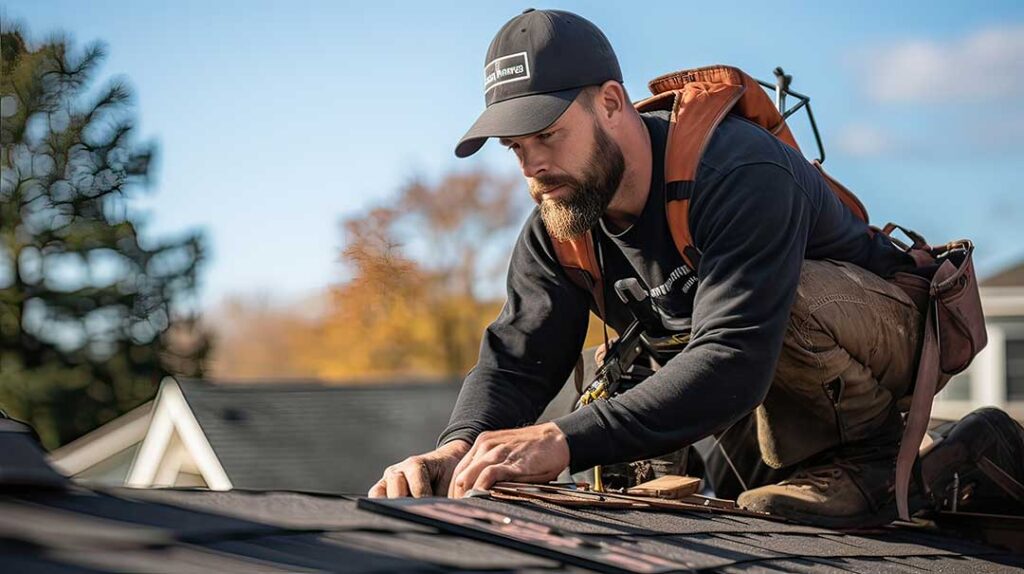
What should residents do first after roof damage?
After a roof leak, fallen branch, or wind-related failure, the first priorities are protecting people, stopping further interior damage, and documenting what happened. Avoid climbing onto the roof or entering areas affected by sagging ceilings, exposed wiring, or structural movement.
Start with a quick safety check:
- Move people, pets, furniture, and electronics away from active leaks.
- Place buckets or containers under drips, but do not stand beneath a visibly bulging ceiling.
- Turn off electricity to affected rooms if water is near outlets, switches, light fixtures, or electrical panels.
- Leave the building if there is a strong gas odor, major structural damage, fire damage, or a ceiling that appears ready to collapse.
- Keep children away from broken shingles, nails, glass, insulation, and fallen branches.
A small leak can spread through attic insulation, ceiling materials, and wall cavities before the visible stain becomes large. Acting quickly helps limit secondary damage.
How can a leak be controlled from inside the house?
Temporary interior measures can reduce damage, but they do not repair the roof itself. If the attic can be reached safely, place a container beneath the drip and use towels to protect nearby surfaces. Do not push against a sagging ceiling or cut into it unless an emergency responder or qualified building professional directs that action.
Water may travel along rafters, insulation, wiring, or ceiling joists before appearing indoors. The spot where water drips is not always directly below the roof opening. For that reason, avoid guessing at the leak location based only on the interior stain.
If water is entering around a light fixture, ceiling fan, or electrical device, do not touch the fixture. Shut off the appropriate circuit only if the panel can be reached without stepping through standing water.
Is it safe to cover a damaged roof with a tarp?
A tarp can provide temporary protection when installed from the ground or by someone equipped and trained to work safely at height. Wet shingles, ice, steep slopes, and wind make emergency roof access especially dangerous in Greene, NY, where winter conditions can include snow, freezing temperatures, and rapid changes in weather.
Do not climb onto a roof during:
- Rain, snow, sleet, or icy conditions
- Strong or gusty wind
- Darkness or poor visibility
- Active lightning
- Conditions involving damaged electrical lines
- Situations where the roof surface is unstable
A tarp placed incorrectly can trap water, tear loose, damage shingles, or create a larger hazard. Never secure a tarp by driving nails through an area that may still be used for permanent repair without understanding the roof assembly. A temporary cover should extend well beyond the suspected damaged area and direct water away from the opening, but roof access should be avoided if safe installation is not possible.
What emergency roof damage can wait, and what cannot?
Some problems require immediate attention because they can threaten safety or cause extensive interior damage. Others may be monitored temporarily if the roof remains weather-tight.
Urgent conditions include:
- A large opening where the roof deck or framing is visible
- A ceiling that is sagging, cracking, or separating from the walls
- Water near electrical equipment
- A roof section lifted, folded, or visibly shifting
- Damage caused by a fallen tree or utility pole
- Active water entry during rain or melting snow
- Missing roof material over a bedroom, electrical room, or occupied space
- Fire, smoke, or lightning damage
A few loose shingles, an old stain with no current moisture, or minor flashing damage may not require an emergency response, but these conditions should still be evaluated before the next major storm. A roof that appears dry during sunny weather may leak when wind-driven rain reaches a different angle.
What should be documented after a storm?
Photographs and notes are useful for organizing repairs and handling an insurance claim. Document the condition before moving damaged materials, when it is safe to do so.
Capture:
- The damaged roof area from the ground
- Fallen branches or other objects that caused the damage
- Interior stains, wet drywall, damaged flooring, and affected belongings
- Water levels or the location of active drips
- The date and approximate time the damage was discovered
- Weather conditions at the time, such as high wind, hail, heavy rain, or snow
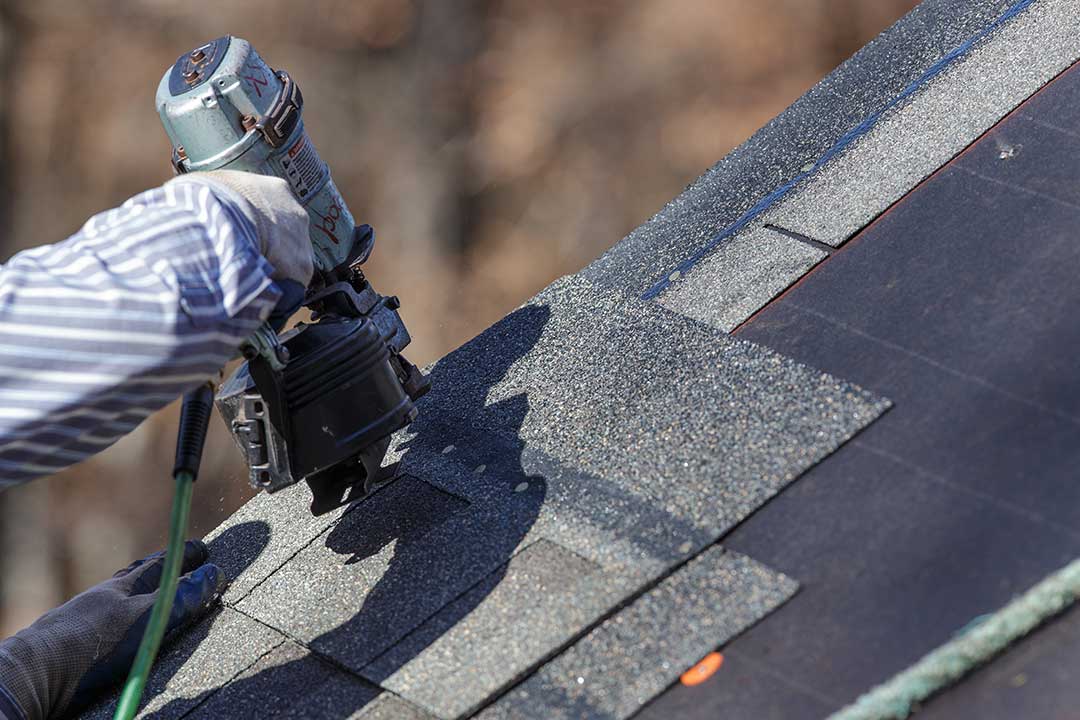
Do not make unsafe roof inspections just to obtain a closer photograph. Ground-level images, attic observations from a safe location, and interior documentation are usually more useful than risking a fall.
Keep receipts for emergency materials, water removal, temporary protection, and damaged-item disposal. Avoid throwing away damaged belongings until they have been photographed and recorded, unless they create a health or safety hazard.
How do seasonal conditions affect emergency roof problems?
In this part of New York, roof emergencies can develop from several seasonal causes. Winter snow and ice can add weight to the roof and contribute to ice buildup along eaves. Freeze-thaw cycles may enlarge cracks around flashing, chimneys, vent pipes, and roof edges. Spring rain can reveal damage that was hidden under snow or ice.
Summer thunderstorms may bring high wind, hail, or falling limbs. Autumn debris can block gutters and drainage paths, allowing water to collect near roof edges and penetrations.
After severe weather, look for warning signs from the ground:
- Shingles scattered across the yard
- Exposed underlayment or roof decking
- Bent or detached gutters
- Flashing pulled away from chimneys or walls
- Dark patches, bubbling paint, or damp odors indoors
- Debris lodged on the roof
- Daylight visible through the attic roof surface
Do not remove snow or ice from a roof unless the method is specifically appropriate for that roof and can be performed without creating damage or a fall hazard. Heavy tools can break shingles and damage the roof membrane.
What temporary repairs should be avoided?
Several common emergency responses can make the problem worse. Do not use roofing cement as a substitute for replacing missing materials when rain is actively entering. Do not spray expanding foam into a roof opening, staple plastic directly across shingles, or cover ventilation openings without understanding their purpose.
Avoid walking on damaged areas, especially where the roof deck may be wet or weakened. Do not pull away attached branches if they are resting on electrical wires or if removing them could shift the roof structure.
Interior drying also requires care. Fans and dehumidifiers can help after electrical safety has been confirmed, but wet insulation and drywall may need removal if they cannot dry promptly. Persistent dampness can lead to mold growth, odors, and deterioration of framing.
When is outside help necessary?
Emergency roof repair may require a qualified roofing or building professional when the damage involves height, structural instability, electrical hazards, substantial water entry, or weather conditions that make temporary work unsafe. Emergency services may be needed first for fire, downed utility lines, gas odors, or immediate threats to occupants.
A safe repair process generally includes stopping active water entry, checking the roof structure, removing loose hazards, and installing a temporary weatherproof covering when permanent work cannot be completed immediately. Permanent repairs should address the cause of the leak rather than only covering the visible interior stain.
For households in Greene, keeping a flashlight, plastic sheeting, buckets, towels, work gloves, and a basic first-aid kit accessible can make the first few minutes after roof damage more manageable. Those supplies do not replace safe assessment, but they can help protect the interior while conditions are being stabilized.
