
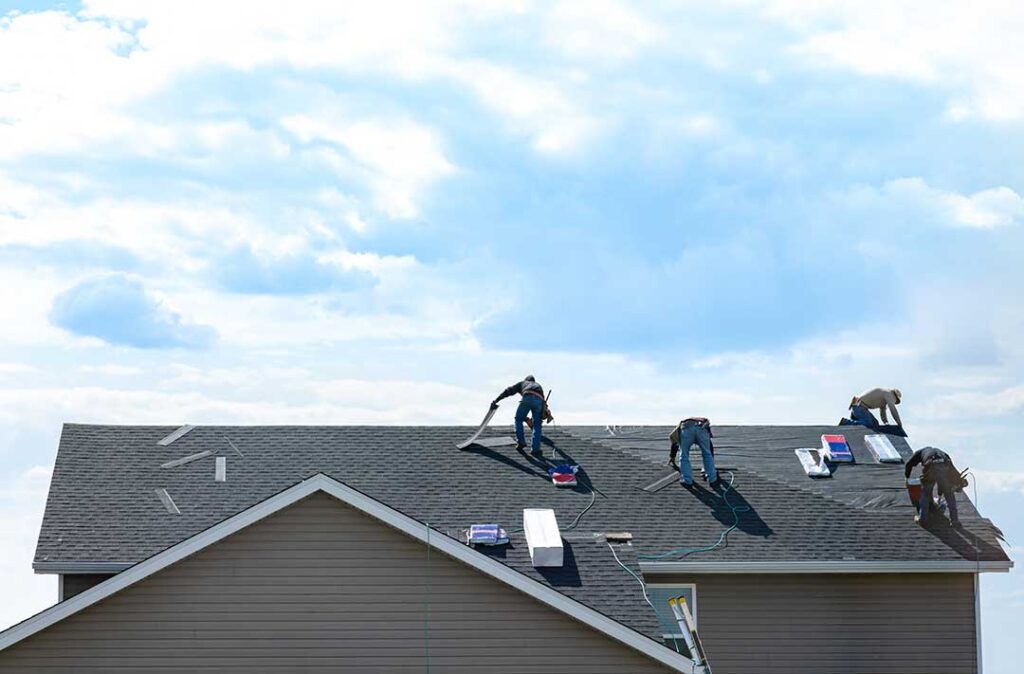
Roof repairs are easy to postpone when the problem appears minor. A missing shingle, a small ceiling stain, or a little dampness around a chimney may not seem urgent. Yet roof damage rarely stays limited to the original area. Water can move beneath roofing materials, enter insulation, weaken wood, and create indoor problems that are more expensive and disruptive than the initial repair.
For residents of Greene, NY, seasonal changes make neglected roof issues especially important to watch. Repeated freezing and thawing, wind, rain, snow, ice, and summer heat can all place stress on roofing materials and the layers beneath them.
What happens when a small roof problem is ignored?
A minor roof defect can allow water to enter gradually, sometimes without producing an obvious ceiling leak. Roofing systems include several layers, and moisture may travel along decking, rafters, insulation, or interior walls before becoming visible.
Common examples include:
- A cracked or missing shingle allowing water beneath nearby materials
- Damaged flashing directing water toward a wall or chimney
- A loose vent boot allowing moisture around a pipe opening
- Clogged or poorly draining gutters sending water behind fascia boards
- Exposed roofing underlayment deteriorating after wind damage
The visible symptom may appear far from the original entry point. A stain near one side of a room does not always mean the leak is directly above it.
Can a roof leak cause structural damage?
Yes. Persistent moisture can weaken roof decking, rafters, wall framing, and other wood components. Structural damage often develops slowly, especially when a leak is intermittent or occurs only during wind-driven rain.
Wet wood may swell, warp, soften, or begin to decay. Fasteners can corrode, and connections between roofing components may lose strength. In severe cases, damaged decking can become unsafe to walk on, particularly if the surface has been weakened from below.
Snow and ice add weight to a roof that may already have compromised materials. A damaged roof is not automatically at risk of collapse, but neglect can reduce its ability to handle normal seasonal loads.
Warning signs that may indicate deeper damage include:
- Sagging areas on the roofline or ceiling
- Spongy or soft decking
- Doors or windows that begin sticking near a water-damaged wall
- Darkened framing in an attic
- Crumbling wood around roof penetrations
- Repeated leaks after earlier patching
These conditions should not be treated as simple cosmetic defects. Entering a damaged attic or walking on a questionable roof can create fall and electrical hazards.
How can neglected repairs affect insulation and energy use?
Water-damaged insulation performs poorly. Moisture can compress insulation, reduce its ability to slow heat transfer, and create uneven temperatures in rooms below the damaged area.
A roof problem may also affect ventilation. If insulation blocks soffit airflow, or if moisture enters an inadequately ventilated attic, condensation can build up during cold weather. That moisture can dampen wood and insulation even when there is no active rain leak.
In a home with high heating demands during winter, these problems may contribute to:
- Cold ceilings or upper-floor rooms
- Drafty areas
- Ice forming near roof edges
- Higher heating use
- Musty attic odors
- Faster deterioration of roofing materials
A higher utility bill does not prove that a roof is the cause, but unexplained changes in comfort or energy use deserve attention when other signs of roof trouble are present.
Does a roof leak create a health concern?
Moisture can support mold and mildew growth on drywall, insulation, wood, carpet, and other materials. The risk increases when water remains trapped inside a wall or ceiling cavity.
Not every roof leak causes a health problem, and a single small leak does not necessarily mean mold is present. However, persistent dampness can contribute to odors and indoor air-quality concerns. People with allergies, asthma, or other sensitivities may notice symptoms more readily in damp areas.
Water can also damage electrical components. Ceiling fixtures, wiring, outlets, and smoke detectors may become hazardous if moisture reaches them. A light fixture that flickers, trips a breaker, or shows staining around its base should be treated seriously. Avoid touching wet electrical equipment and keep the area clear until it can be made safe.
Why do seasonal conditions make delayed repairs worse?
Roof damage can change quickly as weather cycles repeat. In Greene, NY, a small opening may allow water in during rain, then expand as trapped moisture freezes. Wind can lift already-loose shingles, while heavy precipitation can expose weaknesses around valleys, chimneys, skylights, and roof edges.
Ice buildup can also make drainage problems more severe. When gutters or downspouts cannot move water away efficiently, water may collect near the roof edge or flow behind exterior trim. This can damage fascia, soffits, siding, and interior wall areas.
Summer heat creates a different type of stress. Repeated heating and cooling can cause some roofing materials and sealants to expand, contract, dry out, or crack. Repairs delayed through one season may become more difficult to evaluate after the next major weather event.
Can an old repair hide a larger problem?
Sometimes. A patch may stop visible dripping without correcting the reason water entered the roof. For example, covering a stained area inside the home does not repair damaged flashing or wet decking above it.
Repeated staining in the same location is a sign that the source may not have been fully addressed. Paint can hide discoloration temporarily, but it cannot dry damp framing or restore damaged insulation.
A repair may also fail because the original damage was broader than it first appeared. Roofing materials around a leak can deteriorate underneath while the surface looks acceptable from the ground.
What should residents check after a storm?
A ground-level inspection can identify obvious concerns without creating fall risk. Look for missing shingles, loose metal, exposed underlayment, fallen branches, damaged gutters, and pieces of roofing material in the yard.
Inside the home, check ceilings and upper walls for:
- New stains or bubbling paint
- Damp or musty odors
- Peeling wallpaper or drywall
- Drips around light fixtures
- Moisture in attic spaces
- Daylight visible through roof decking
Do not climb onto a wet, icy, steep, or visibly damaged roof. Roof surfaces can be slippery even when they appear dry, and hidden damage may not support body weight.
Which roof problems require prompt attention?
Active leaks, sagging ceilings, exposed decking, major storm damage, and water near electrical equipment warrant prompt action because they can worsen or create immediate safety risks.
Less urgent issues still should not be ignored for months. Missing flashing, cracked sealant, deteriorated shingles, blocked drainage, and recurring stains can allow hidden damage to accumulate.
The most useful approach is to document what is visible, limit interior water exposure with containers or protective coverings when safe, and avoid disturbing damaged electrical components. Temporary measures may reduce immediate water entry, but they should not be mistaken for a permanent repair.
A roof does not have to look severely damaged from the ground to be allowing moisture inside. Early attention is especially valuable because it can limit damage to insulation, framing, ceilings, walls, and household contents before a small defect becomes a larger building problem.
