
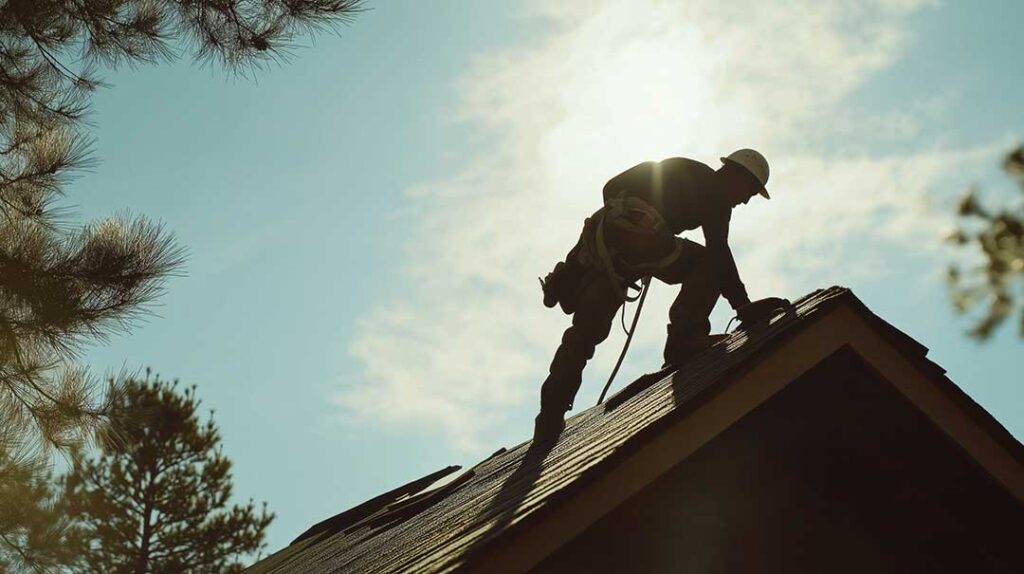
Sunlight is a normal part of a roof’s working environment, but years of repeated exposure can change roofing materials. Ultraviolet radiation, surface heat, and daily temperature swings gradually affect shingles, membranes, flashing, sealants, and attic temperatures.
For households in Greene, NY, the effects are often most noticeable on roof sections with little shade and a clear southern or western exposure. Sun damage usually develops slowly, so regular observation matters more than waiting for an obvious leak.
How does sunlight damage roofing materials?
Sun affects a roof in two main ways: ultraviolet radiation breaks down exposed materials, and heat causes expansion and contraction.
Ultraviolet radiation can weaken the asphalt, polymers, coatings, and protective surfaces used in many roofing products. Over time, this may lead to:
- Fading or uneven color
- Loss of surface granules on asphalt shingles
- Brittle or curled shingle edges
- Cracking in exposed sealants
- Drying and splitting of certain membrane materials
- Faster deterioration around roof penetrations and flashing
Heat adds another form of stress. A roof surface can become much hotter than the surrounding air during direct summer sun. As the roof heats, materials expand. After sunset, clouds, rain, or a cool evening, they contract again. This repeated movement can loosen older materials and place stress on joints, fasteners, seams, and adhesive areas.
Sunlight does not usually destroy a healthy roof in a single season. The concern is cumulative exposure, especially when aging materials are already less flexible or have lost protective granules.
Which parts of a roof receive the most damage?
The most exposed roof plane is not always the entire roof. Sun damage tends to vary by orientation, slope, shading, and nearby structures.
Roof sections facing south or southwest commonly receive strong sunlight for much of the day. Western roof planes may experience intense afternoon heat, when the roof has already warmed from earlier exposure. Areas beneath trees may receive less direct sunlight, although they can have other problems related to leaves, moss, branches, and slower drying.
Damage may also be concentrated around:
- Chimneys and plumbing vents
- Skylights and roof windows
- Valleys where materials meet
- Exposed flashing
- Ridge caps and roof edges
- Areas with older repairs
- Low-slope sections that hold heat or water longer
A roof can therefore appear sound from the ground while one highly exposed section is aging faster than the rest.
Can sun exposure cause asphalt shingles to fail early?
Yes. Prolonged sun exposure can contribute to earlier aging, although it is only one factor. Shingle life also depends on installation quality, ventilation, wind, moisture, snow, ice, algae, and the original material.
Common visual signs of sun-related aging include:
- Shingles that look dry, stiff, or brittle
- Curling corners or lifting edges
- Blistering or small raised areas
- Bald spots where granules are missing
- Uneven color between shaded and sunny roof planes
- Cracks in the shingle surface
- Excessive granules collecting in gutters
Some color variation is normal, especially after years of weather. It becomes more concerning when fading occurs with surface cracking, exposed fiberglass, or noticeable loss of granules.
Granules help protect the asphalt coating from sunlight and weather. Once large areas lose that protective layer, the underlying shingle can deteriorate more quickly.
Does a dark roof get hotter?
Usually, darker roofing surfaces absorb more solar energy than lighter or more reflective surfaces. This can raise roof temperatures and increase heat transfer into the attic and upper rooms.
The actual temperature also depends on ventilation, insulation, roof pitch, wind, humidity, and the material itself. A dark roof is not automatically a poor choice, and changing color alone will not correct inadequate ventilation or insulation.
For existing homes, a roof that is mechanically sound generally should not be replaced only to obtain a lighter color. When replacement is already necessary, solar reflectance and thermal emittance can be considered along with durability, appearance, snow behavior, maintenance, and compatibility with the building.
How does sun affect the attic and indoor comfort?
Solar heat can pass through the roof assembly and warm the attic. If insulation or ventilation is insufficient, that heat may affect rooms below and increase cooling demand during sunny weather.
Sun exposure can also make roof and attic temperature differences more noticeable from one side of a house to another. Upper rooms beneath the most exposed roof plane may feel warmer in the afternoon, even when the rest of the house remains comfortable.
Good attic performance depends on several connected features:
- Adequate insulation at the attic floor or roof assembly
- Properly balanced intake and exhaust ventilation
- Air sealing around ceiling penetrations
- Unblocked soffit and ridge ventilation where applicable
- A roof assembly suited to the building’s design
Ventilation is not a substitute for insulation, and insulation does not eliminate the need to manage moisture. The goal is to control heat while also preventing condensation and trapped humid air.
Why are roof temperature swings a concern in Greene?
The local climate brings warm, sunny periods as well as cold winters, snow, rain, and freeze-thaw conditions. Sunlight can warm a roof during the day, while nighttime temperatures or changing weather rapidly cool the surface. In winter, sunlight may also soften snow on one roof area while shaded sections remain frozen.
These uneven conditions can contribute to:
- Repeated movement of shingles and flashing
- Ice formation near colder roof edges
- Uneven snow melting
- Stress at roof penetrations
- Moisture entering through aging seals
- Faster deterioration on exposed roof planes
Sun exposure is not the direct cause of every winter roofing problem. However, an aging or unevenly heated roof may be less able to handle the additional stress created by snow, ice, and temperature changes.
Can trees protect a roof from sun damage?
Tree shade can reduce direct solar heating and slow some forms of surface aging. Shade is not an automatic benefit, though. Overhanging branches may scrape shingles, drop debris, block gutters, and keep roof surfaces damp after rain or snow.
A shaded roof can also develop moss or algae more easily when moisture remains for extended periods. The practical goal is not complete shade or complete exposure. It is a roof area with reasonable airflow, limited branch contact, and enough sunlight for surfaces to dry.
Branches should not rest on or rub against the roof. Leaves and needles should also be cleared when they accumulate in valleys or block drainage paths.
What should residents look for during a roof inspection?
A ground-level inspection can identify early warning signs without requiring anyone to climb onto the roof. Look for differences between sunny and shaded sections, missing granules in gutters, curling shingles, exposed underlayment, and cracked flashing.
Inside the home, check upper rooms and attic areas for:
- Unusual heat beneath one roof section
- Water stains or discolored wood
- Damp insulation
- Musty odors
- Daylight visible through the roof deck
- Peeling paint near ceiling edges
Roof surfaces become slippery and hazardous, especially after rain, frost, or snow. Walking on shingles can also cause damage. Any condition involving loose materials, exposed decking, active leaks, or unsafe access requires cautious evaluation rather than a routine climb.
Sun exposure is a gradual roofing issue, but its effects are easier to manage when noticed early. Comparing roof sections, keeping drainage clear, maintaining attic insulation and ventilation, and watching for surface changes can help identify aging before minor deterioration becomes interior water damage.
