
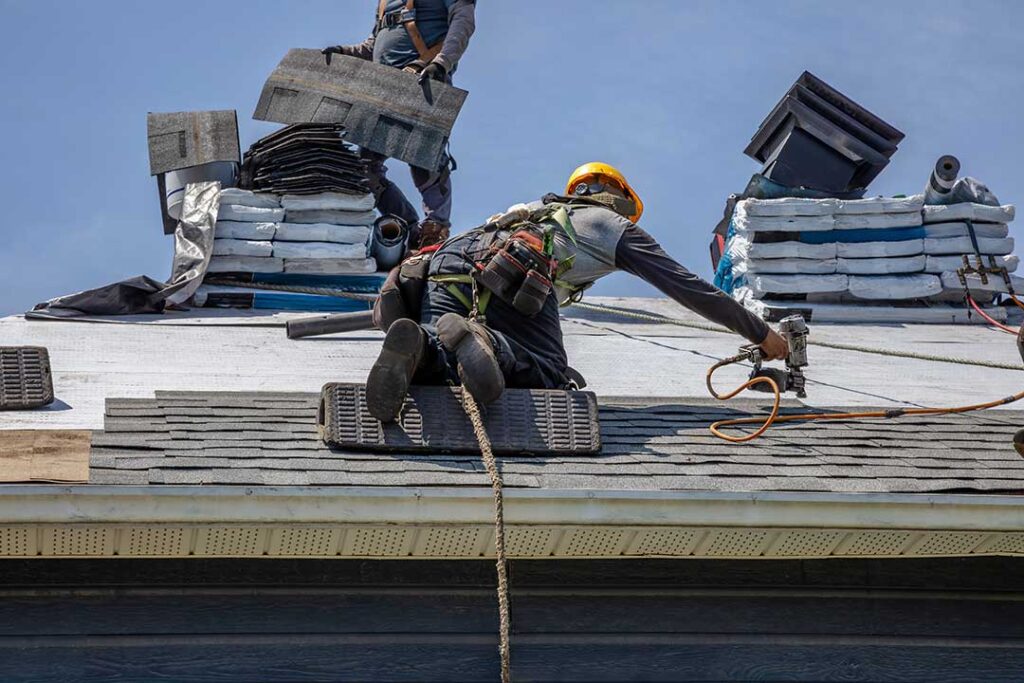
Does a roof need to be replaced just because it is 20 years old?
Not necessarily. Age is useful context, but it does not determine a roof’s condition by itself. A well-installed, properly ventilated roof may perform well beyond a commonly quoted service-life range, while a newer roof can develop problems early because of storm damage, poor airflow, installation defects, or neglected maintenance.
In Greene, NY, seasonal temperature changes, snow, ice, wind, and repeated wet-dry cycles can affect roofing materials differently from year to year. Instead of relying only on the installation date, look for signs such as:
- Missing, cracked, curled, or heavily worn shingles
- Repeated leaks or damp areas in the attic
- Sagging roof lines
- Granules collecting in gutters
- Rusted or damaged flashing around chimneys, vents, and wall intersections
- Daylight visible through the roof deck
A roof’s age matters most when considered alongside its visible condition and repair history.
Is a small roof leak harmless?
No. A small leak can cause more damage than the visible stain suggests. Water may travel along rafters, insulation, wiring, or ceiling materials before appearing inside the living space. By the time a brown mark or peeling paint becomes noticeable, moisture may already have affected hidden building materials.
A leak does not always come directly through a damaged shingle. Common entry points include:
- Flashing around chimneys, skylights, and plumbing vents
- Valleys where two roof sections meet
- Ice-related damage near the eaves
- Loose or deteriorated vent boots
- Exposed fasteners
- Wind-lifted shingles
- Blocked drainage paths
Placing a container under a drip may limit immediate interior damage, but it does not address the source. A ceiling stain that dries after a storm should not automatically be treated as resolved.
Do new shingles eliminate the need for roof maintenance?
New roofing still needs observation and basic maintenance. No roofing material is maintenance-free. Debris, moss, branches, ice, and clogged drainage systems can shorten the life of a roof even when the shingles are relatively new.
Maintenance does not mean walking on the roof or using harsh cleaning methods. Safer observations can be made from the ground, attic, windows, or a ladder positioned away from the roof edge. Useful checks include:
- Looking for branches or debris resting on the roof
- Checking whether gutters and downspouts drain properly
- Watching for water stains after heavy rain or snowmelt
- Inspecting flashing and penetrations from a safe location
- Trimming branches that rub against roofing surfaces
Pressure washing can strip protective granules and damage shingles. Moss and algae should not be scraped aggressively because the underlying roofing surface may be weakened.
Does more attic insulation fix a roofing problem?
Insulation can improve energy performance, but it does not correct every attic or roof problem. Adding insulation over an attic that has inadequate ventilation can sometimes hide moisture issues rather than solve them.
Warm, moist air from the living space can enter an attic through gaps around light fixtures, plumbing openings, attic hatches, and ductwork. If that moisture condenses on cold roof surfaces, it can contribute to mold, wood decay, rust, and frost buildup during winter.
A sound attic system usually depends on several parts working together:
- Air sealing between the home and attic
- Properly installed insulation
- Clear ventilation paths near the eaves
- Adequate high-level exhaust ventilation
- A dry, intact roof covering
Roof ventilation is not simply a matter of adding more vents. Intake and exhaust openings need to work as a balanced system, and vents should not allow wind-driven rain or snow to enter.
Are gutters separate from roofing?
Gutters are separate components, but they directly affect roof and foundation performance. Their job is to collect runoff from the roof and move it away from walls, doors, windows, and the foundation.
A clogged or poorly draining gutter can cause water to back up along the roof edge. In cold weather, that moisture may freeze and contribute to ice buildup. Repeated overflow can also damage fascia boards, siding, trim, landscaping, and foundation drainage areas.
Gutters do not prevent every ice-related problem. Roof shape, insulation, air leakage, weather conditions, and snow accumulation all influence ice formation. Still, clear drainage paths are an important part of protecting the lower edge of the roof.
Does a roof need to be replaced after every major storm?
No. Storms should prompt inspection, not an automatic replacement decision. Wind, hail, falling branches, and heavy snow can damage a roof, but the extent varies widely across the same property.
After a severe storm, look for visible changes such as:
- Shingles scattered on the ground
- Exposed underlayment or roof deck
- Metal flashing that has shifted
- Dented vents or damaged ridge materials
- Broken branches resting on the roof
- New leaks, ceiling stains, or wet insulation
Damage may also be difficult to see from the ground. Walking on a roof can create additional damage and presents a fall hazard, especially when surfaces are wet, icy, or steep. If electrical lines, structural damage, or active water entry are involved, the situation requires extra caution.
Can roof leaks always be repaired without replacing the roof?
Sometimes, but not always. A localized problem may be repairable when the surrounding roofing remains in good condition and the underlying materials are sound. A repair may involve replacing damaged shingles, correcting flashing, or sealing a failed penetration.
Replacement becomes more likely when damage is widespread, the roof deck has deteriorated, multiple repairs have failed, or the existing materials are near the end of their useful life. Covering an old roof with another layer may conceal problems and add weight without correcting damaged decking, poor ventilation, or moisture intrusion.
The visible leak location is also not always the actual entry point. Water can travel beneath roofing materials before entering the attic, so a patch placed directly above an interior stain may not solve the problem.
Are dark roof streaks always mold?
Usually not. Dark streaks are often caused by algae or accumulated organic material rather than mold growing throughout the roofing system. Moss is different: it has a raised, plant-like appearance and can lift or retain moisture against shingles.
The distinction matters because aggressive cleaning can damage roofing. Chlorine-based products, abrasive tools, and pressure washing may discolor surfaces or remove protective granules. Any cleaning method should be compatible with the roofing material and applied in a way that does not send contaminated runoff toward gardens, wells, pets, or storm drains.
Does a roof have to be completely dry before problems can be found?
No. Some problems are easier to identify during or shortly after wet weather. Active leaks, overflowing gutters, missing shingles, and water entering around flashing may be more apparent during rain or snowmelt.
However, wet roofs are more slippery and dangerous to walk on. A roof can be evaluated from safer positions, and attic areas can sometimes reveal damp insulation, active dripping, darkened wood, or water trails. The safest approach is to distinguish between observing a problem and physically accessing a hazardous surface.
Understanding these misconceptions helps residents interpret roof conditions more accurately. A roof’s age, appearance, leak history, attic environment, drainage, and exposure to seasonal weather all matter. No single clue—such as a ceiling stain, a dark streak, or a 20-year-old installation—provides the complete answer by itself.
