
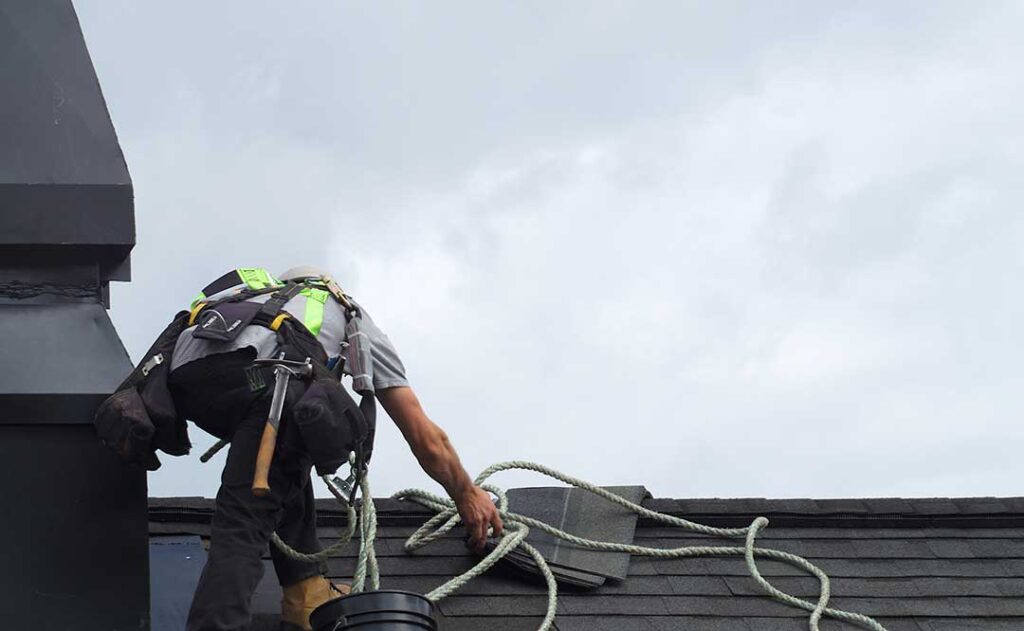
A roof inspection is a careful review of the roof system, attic, and related drainage components to identify damage, aging, moisture problems, and safety concerns. For homeowners in Greene, NY, regular inspections are especially useful because roofs must handle snow, ice, freeze-thaw cycles, wind, heavy rain, and falling branches over the course of a year.
An inspection does not automatically mean the roof needs replacement. Its purpose is to understand current condition, find small problems before they spread, and determine whether maintenance, repair, or more extensive work may be appropriate.
What does a roof inspection include?
A thorough inspection looks beyond the visible shingles. It generally includes the roof covering, flashing, penetrations, drainage system, attic, and signs of water entry.
The exterior review may examine:
- Missing, cracked, curled, blistered, or loose shingles
- Exposed fasteners or deteriorated sealant
- Damaged ridge caps and roof edges
- Flashing around chimneys, vents, skylights, and wall intersections
- Sagging areas or uneven roof planes
- Gutters, downspouts, and areas where water collects
- Moss, algae, or debris that may trap moisture
- Damage from branches, animals, wind, or ice
The interior portion is just as valuable. In the attic or upper floors, an inspector may look for stained sheathing, damp insulation, rusty fasteners, mold-like growth, daylight visible through the roof deck, or wet areas around penetrations.
A roof can appear acceptable from the ground while still allowing water into the attic. Conversely, an old-looking roof may remain serviceable if its structure, flashing, and drainage are sound.
How often should a homeowner inspect the roof?
A practical schedule is to perform a visual check twice a year, commonly in spring and fall, and again after severe weather. A closer inspection is also sensible when buying or selling a home, after a large tree limb falls, or when interior leaks appear.
Spring inspections can reveal damage caused by winter snow, ice, wind, and repeated freezing and thawing. Fall inspections help identify loose materials, blocked drainage, and weak areas before winter weather arrives.
Homeowners do not need to climb onto the roof for routine observation. From the ground, binoculars can help reveal missing shingles, sagging, exposed underlayment, or damaged flashing. A camera with a zoom feature may also help document changes over time.
What roof problems are most commonly overlooked?
Small defects around roof openings often cause more trouble than a single missing shingle. Flashing around chimneys, plumbing vents, skylights, dormers, and sidewalls can loosen or deteriorate while the main roof field still looks intact.
Other commonly missed issues include:
- Gutters pulling away from the fascia
- Downspouts discharging too close to the foundation
- Ice-damaged shingles near eaves
- Water stains that appear far from the actual leak
- Soft or rotting trim behind gutters
- Granules collecting heavily in downspouts
- Moss growing beneath overlapping roofing materials
- Roof valleys holding leaves, sticks, or snow
A water stain on a ceiling does not always identify the exact location of the roof defect. Water may travel along rafters, roof decking, insulation, or framing before becoming visible indoors.
What should Greene homeowners look for after winter?
After winter, inspect areas exposed to snow sliding, ice buildup, and wind. Look for bent or missing metal, damaged gutters, lifted shingles, and staining in the attic.
Ice dams can form when heat escapes into a poorly ventilated attic and melts snow on the warmer upper portion of the roof. The water may refreeze near the colder eaves and work beneath roofing materials. Evidence can include stained soffits, damp insulation, peeling paint near exterior walls, or water marks at the edges of ceilings.
Heavy snow can also place stress on roof framing, particularly where the roof already has structural deterioration. Visible sagging, cracked interior finishes, or doors that suddenly stick near upper floors deserve prompt attention.
Do not attempt to remove snow or ice by climbing onto a roof. The surface may be slippery, and improper tools can damage shingles or membranes.
Can a homeowner perform a roof inspection safely?
A homeowner can perform a useful ground-level review and inspect accessible attic areas, but walking on a roof introduces fall and roof-damage risks. Wet, icy, steep, brittle, or moss-covered surfaces are particularly hazardous.
A basic homeowner check can include:
- Looking at roof slopes from the yard
- Checking gutters for excessive granules or shingle pieces
- Examining ceilings and upper walls for new stains
- Viewing the attic with a flashlight
- Checking whether bathroom and kitchen exhaust vents discharge properly
- Photographing suspicious areas from a safe location
- Comparing current conditions with earlier photographs
Avoid entering an attic if there are signs of structural instability, exposed wiring, extreme heat, animal activity, or contaminated insulation. A roof inspection should never involve stepping on fragile skylights, unsupported areas, or surfaces covered by snow or ice.
When does a roof problem require prompt attention?
Some conditions should not wait for a routine seasonal inspection. Prompt action is warranted when there is active leaking, a large ceiling bulge, major storm damage, visible structural sagging, or a section of roofing that has blown away.
Other warning signs include:
- Water entering around a chimney or roof vent
- Large areas of missing or lifted shingles
- A fallen tree or heavy limb striking the roof
- Daylight visible through the roof deck
- Wet insulation or widespread attic staining
- Gutters or metal edging detached from the roof
- A strong musty odor accompanied by moisture
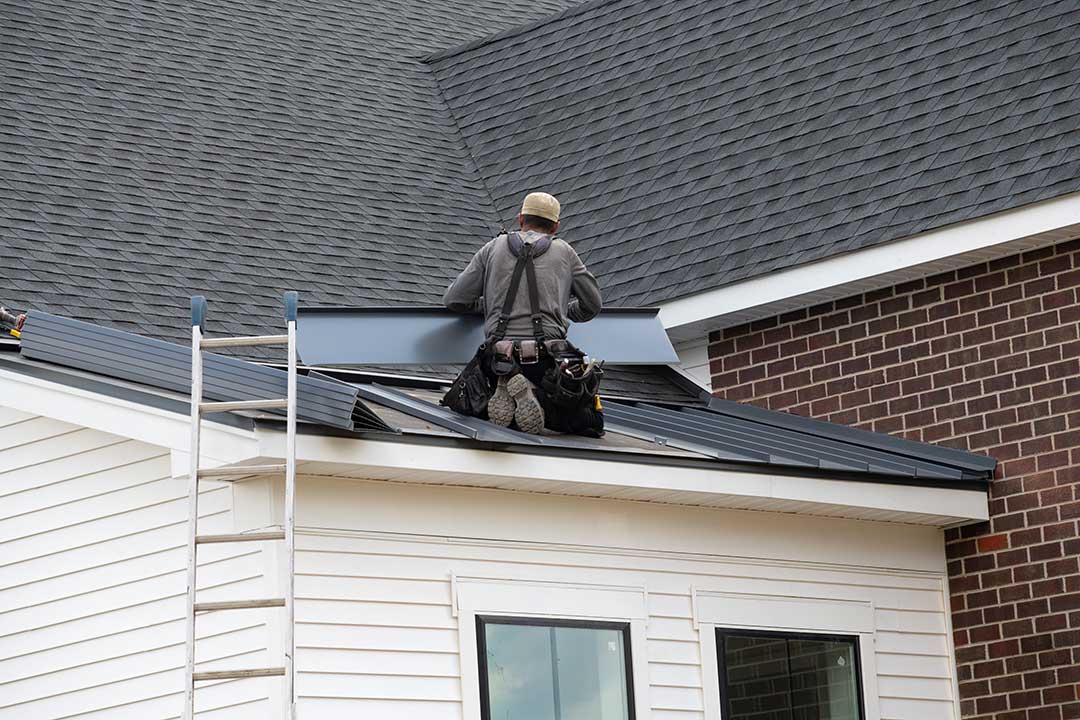
If water is actively entering the home, protect belongings, place containers beneath drips, and avoid electrical fixtures or wiring affected by water. Do not assume that a temporary interior patch has solved the roof problem.
Does roof replacement require a permit in Greene?
Roof replacement and roof recovery work in Greene generally require a building permit under applicable New York State code requirements and local enforcement procedures. Small repairs or limited replacement areas may be treated differently, but the distinction depends on the scope of work.
Before roofing work begins, property owners should verify current requirements with the appropriate local code enforcement office. Permit rules can change, and the responsible property owner may be held accountable for work started without required approval.
A roof inspection is not the same as a code inspection. An inspection helps describe condition and damage; a code review determines whether proposed work meets current legal requirements.
What information should be included in an inspection report?
A useful report should identify the roof covering, approximate age if known, visible defects, areas that could not be observed, attic findings, drainage conditions, and photographs of significant concerns.
It should also distinguish between:
- Immediate safety or water-entry concerns
- Maintenance items
- Repairs that can reasonably be monitored
- Conditions suggesting broader deterioration
- Areas requiring further structural or moisture evaluation
Roofing materials do not all age in the same way. The remaining service life depends on installation quality, ventilation, roof slope, exposure, storm history, attic moisture, and whether previous repairs were completed correctly.
The most helpful inspection is specific. “Roof needs attention” provides little guidance. A clearer description identifies the location, visible condition, likely consequence, and whether the issue should be addressed immediately or monitored.
How can inspection records help over time?
Keep dated photographs, repair records, permit information, and inspection notes in one place. Comparing images from spring to fall can reveal gradual changes that are difficult to notice during a single visit.
A simple record should include:
- Inspection date
- Weather or storm event that prompted the inspection
- Areas viewed
- Visible changes since the last inspection
- Interior moisture signs
- Gutter and downspout condition
- Repairs or maintenance completed
Consistent records can help separate normal aging from new damage and provide useful background when evaluating future roof work. For local households facing repeated seasonal weather, that history is often more informative than relying on memory alone.
