
A cool roof is designed to reflect more sunlight and release absorbed heat more effectively than a conventional dark roof. This can help reduce summer heat entering a home, improve comfort, and lessen the workload on air-conditioning equipment.
For residents of Greene, NY, cool roofing can be useful during sunny summer weather, particularly in homes with finished attics, limited insulation, or rooms directly beneath the roof. The benefits are real, but they depend on the roofing material, roof design, insulation, ventilation, and how much cooling a home uses.
How does a cool roof work?
A roof becomes “cool” mainly through two properties: solar reflectance and thermal emittance.
Solar reflectance describes how much sunlight a roofing surface reflects instead of absorbing. Thermal emittance describes how efficiently the surface releases heat after absorbing it. A roof with high values for both properties generally stays cooler in direct sun.
Traditional dark roofing materials can become much hotter than the surrounding air on a sunny afternoon. That heat may move through the roof deck and insulation into the attic or upper floors. A reflective roof absorbs less solar energy, so less heat is transferred indoors.
Cool roofing does not always mean a bright white roof. Some modern materials use reflective pigments that allow gray, brown, or other colors to perform better than standard dark surfaces. The color alone is not a complete measure of performance.
Can a cool roof make a home more comfortable?
Yes, especially on the upper floor or in rooms directly below the roof. A cooler roof can reduce heat buildup in the attic and slow the transfer of heat into living spaces.
The difference may be most noticeable during sunny stretches when the roof receives direct afternoon exposure. Homes with cathedral ceilings, finished attic rooms, or limited attic insulation may experience a stronger indoor benefit because there is less space separating the roof surface from the living area.
A cool roof is not a substitute for air sealing or insulation. If an attic has gaps around wiring, plumbing, recessed lights, or ductwork, outdoor heat can still enter the building. Improving the entire roof-and-attic assembly usually produces a more dependable comfort improvement than changing roof color alone.
Can cool roofs reduce energy costs?
They can reduce air-conditioning use, but the amount varies widely from one home to another. Savings are generally greater when:
- The roof receives strong, unobstructed sunlight.
- The home has air conditioning.
- The attic or upper floor becomes noticeably hot.
- Roof insulation is limited or uneven.
- The roof has a large surface area compared with the conditioned living space.
Savings may be modest in a well-insulated home that uses little air conditioning. A cool roof also cannot eliminate heat entering through windows, walls, air leaks, or poorly insulated ductwork.
In a mixed-season climate, the winter effect deserves attention. A darker roof can absorb more solar heat during cold sunny weather, while a reflective roof may absorb less. That does not make cool roofing unsuitable for Greene, NY, but it means the decision should consider the full year rather than focusing only on summer utility bills.
Does a cool roof last longer?
Lower roof temperatures can reduce some forms of thermal stress. Repeated heating and cooling cause roofing materials to expand and contract, and high temperatures can accelerate aging in certain membranes, sealants, coatings, and asphalt-based products.
A cooler roof may therefore help slow material degradation, but service life depends on more than surface temperature. Installation quality, moisture exposure, ventilation, snow and ice conditions, foot traffic, fallen branches, and regular maintenance can have equal or greater influence.
A reflective coating also does not restore a roof that has already lost its structural or weatherproofing function. Coatings must be compatible with the existing material and applied to a sound, properly prepared surface.
Which roofing materials can be cool roofs?
Cool-roof performance is available in several roofing categories, including:
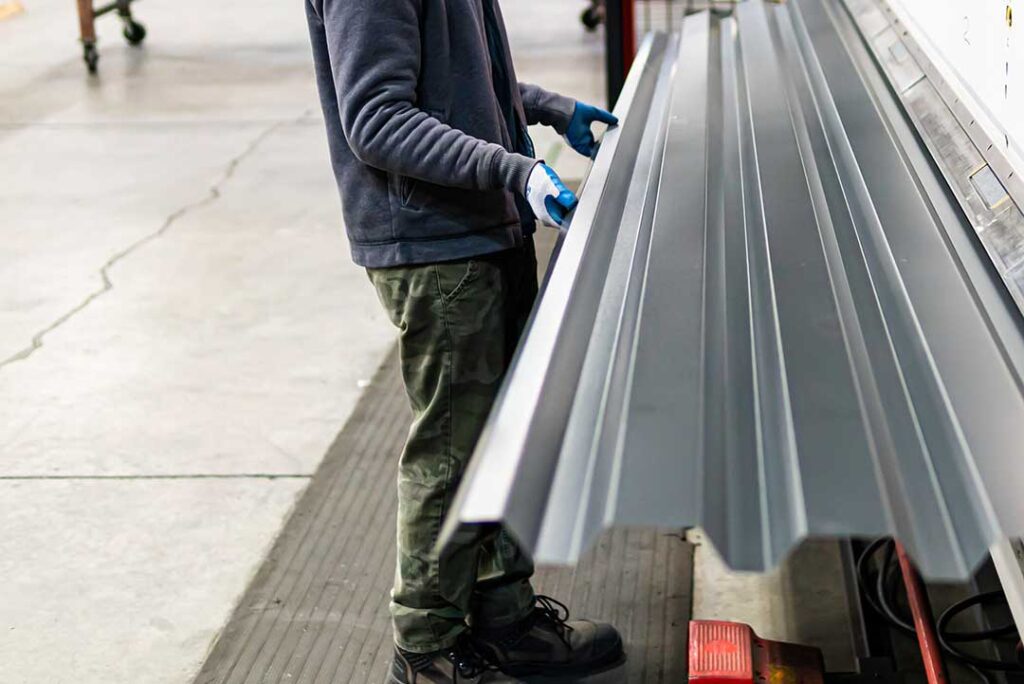
- Reflective metal roofing
- Specialized asphalt shingles
- Single-ply membranes for low-slope roofs
- Reflective roof coatings
- Certain tile and other high-reflectance products
Performance varies within each category. Two roofs with similar colors may have different reflectance and emittance values. Product information should be reviewed for the specific material rather than relying on labels such as “energy efficient” or “cool colored.”
For sloped residential roofs, reflective shingles or metal products may be considered during normal replacement. For low-slope roofs, membranes and coatings are more common. The roof’s pitch, drainage design, existing layers, and local weather exposure all affect which options are practical.
Are cool roofs useful during Greene winters?
Cool roofs provide their clearest energy benefit during sunny, warm weather, but winter conditions still matter. A reflective roof does not cause snow to melt uniformly, and it does not by itself prevent ice dams.
Ice dams are more closely associated with heat escaping from the living space into the attic, uneven insulation, air leakage, and inadequate roof-edge ventilation. A properly insulated and air-sealed attic should remain closer to the outdoor temperature, reducing the cycle of snow melting and refreezing at colder roof edges.
This is especially relevant for homes that experience substantial snowfall, freeze-thaw cycles, or shaded roof sections. Roof color should be treated as one design factor, not as a winter ice-dam solution.
Do cool roofs replace attic insulation and ventilation?
No. Insulation, air sealing, and ventilation serve different purposes.
Insulation slows heat movement between the living space and attic. Air sealing reduces uncontrolled movement of indoor air into the attic. Ventilation helps remove moisture and supports a properly designed attic airflow pattern. A cool roof reduces the amount of solar heat absorbed at the exterior surface.
A home may have a reflective roof and still have a hot attic if insulation is thin, ducts leak, soffit vents are blocked, or air escapes through ceiling penetrations. Conversely, a well-insulated attic can limit indoor heat gain even with a conventional roof.
The most effective approach is to evaluate the roof and attic as a connected system.
What should homeowners consider before choosing one?
A cool roof is usually easier to consider during new construction or planned roof replacement, when material choices are already being made. Replacing a serviceable roof solely to gain reflectivity may not provide enough energy savings to justify the cost, particularly in a home with limited air-conditioning use.
Useful questions include:
- Is the roof in full sun or heavily shaded?
- Is the attic insulated to a consistent depth?
- Are upper rooms uncomfortably hot in summer?
- Does the household rely on central or room air conditioning?
- Is the roof steep-slope or low-slope?
- Will the selected material tolerate snow, ice, moisture, and seasonal temperature changes?
- Are there neighborhood, building, or material requirements that affect appearance or installation?
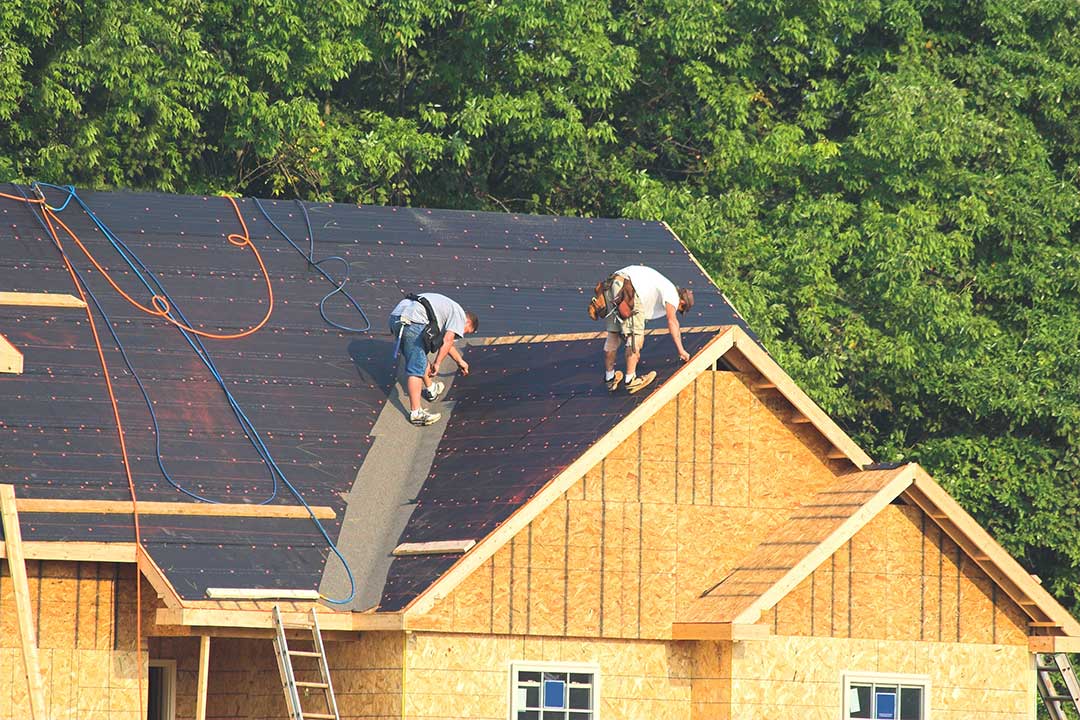
Roof work can involve falls, unstable surfaces, hidden damage, and electrical hazards. Steep roofs, deteriorated decking, unfamiliar coatings, and work near service lines require appropriate safety practices and, where necessary, qualified assistance.
For many homes, the practical benefit of a cool roof is not a dramatic change in every monthly bill. It is a combination of reduced summer heat, improved upper-floor comfort, less stress on cooling equipment, and potentially slower temperature-related aging of roofing materials. The value is greatest when the roof choice is coordinated with sound insulation, air sealing, ventilation, drainage, and seasonal maintenance.
