
What does a roof warranty actually cover?
A roof warranty usually covers specific materials, workmanship, or both—but rarely every problem that develops over the life of the roof. The exact protection depends on who issued the warranty, how long coverage lasts, what caused the damage, and whether the roof was installed according to the stated requirements.
For households in Greene, NY, understanding those details matters because roofs face repeated cycles of snow, ice, wind, rain, freezing temperatures, and summer heat. A warranty may address a manufacturing defect while excluding damage caused by severe weather, poor ventilation, neglected maintenance, or later alterations.
The first step is identifying the type of warranty involved.
What are the main types of roof warranties?
Most roof warranty questions become clearer after separating coverage into three categories.
Manufacturer material warranty
This warranty comes from the company that made the shingles, membrane, underlayment, or other roofing material. It generally addresses defects in the product itself, such as premature deterioration, unusual cracking, or manufacturing flaws.
Material warranties may be limited, prorated, or subject to special conditions. A “lifetime” material warranty does not necessarily mean the roof is covered for the homeowner’s entire lifetime. It may refer to the expected ownership period of the original owner, and transfer rules can change that protection.
Workmanship warranty
A workmanship warranty comes from the party that installed the roof. It typically covers installation errors, such as improper fastening, inadequate flashing, or incorrect treatment of certain roof transitions.
Workmanship coverage is separate from the material warranty. If shingles fail because they were defective, the manufacturer may be responsible. If water enters because flashing was installed incorrectly, the installer’s warranty may apply instead.
Extended or system warranty
Some warranties cover a complete roofing system rather than one product. These may require specific materials, installation methods, documentation, inspections, or approved installers.
Broader coverage often comes with more conditions. A homeowner should not assume that a system warranty applies simply because several products from the same manufacturer were used.
Where can the warranty terms be found?
The controlling information is usually in the written warranty, not in an advertisement, invoice description, or casual explanation given during the project.
Look for:
- The name of the warranty issuer
- The date coverage began
- The original purchaser or property address
- Covered materials and labor
- Exclusions and limitations
- The claim deadline or notice requirements
- Transfer rules if the property is sold
- Maintenance and ventilation requirements
- The remedy offered if a claim is approved
- Instructions for submitting a claim
Useful documents may include the installation contract, final invoice, product registration confirmation, permit records, inspection reports, photographs, and receipts for repairs or maintenance.
If the paperwork is missing, search household records before assuming no warranty exists. The roof’s age, material type, installer, and previous repair history can help identify what coverage may still be available.
How can a homeowner tell whether a roof problem is covered?
Start by describing the problem accurately rather than labeling it as a warranty defect. “A ceiling stain appeared after a storm” is useful information, but it does not by itself prove that the roofing material failed.
Coverage is more likely to depend on the cause of the problem. Common possibilities include:
- A manufacturing defect in the roofing material
- Installation mistakes
- Wind damage
- Hail or falling branches
- Ice buildup and drainage problems
- Inadequate attic ventilation
- Condensation or interior plumbing leaks
- Normal aging
- Damage caused by another contractor
- Neglected maintenance
A leak is not always evidence that the shingles are defective. Water may enter around a chimney, vent, skylight, wall intersection, valley, or damaged flashing. In cold weather, ice accumulation can also force water beneath roofing materials even when the shingles themselves are functioning as designed.
The warranty language should be compared with the documented cause of the damage. If the cause is uncertain, photographs and a written inspection report can help distinguish a material issue from storm damage or building-related moisture.
What exclusions deserve special attention?
Exclusions often determine whether a claim succeeds. Read the sections addressing:
- Wind speeds and storm-related damage
- Hail, falling objects, and natural disasters
- Improper installation
- Poor attic ventilation
- Structural movement or settlement
- Foot traffic and accidental damage
- Alterations by other parties
- Moss, algae, or chemical exposure
- Failure to maintain drainage systems
- Damage to gutters, siding, trim, or interior finishes
- Repairs made without prior approval
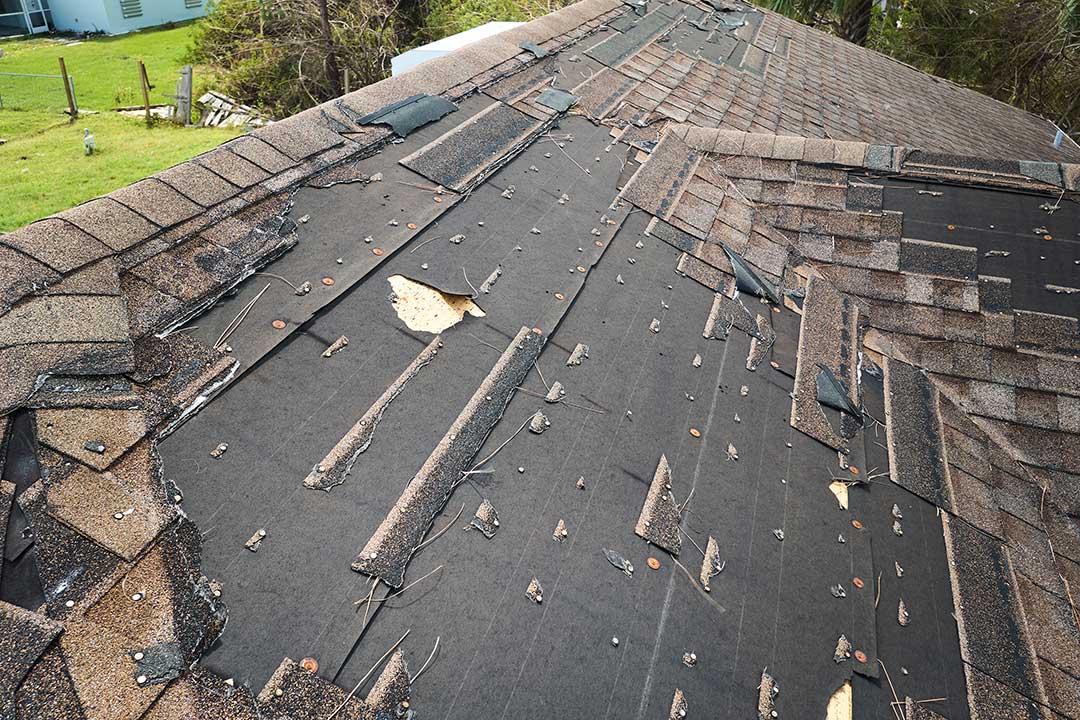
Snow and ice deserve particular attention in this region. A warranty may cover a product defect but exclude damage associated with ice dams, unusual snow loads, or blocked drainage. That does not mean every winter-related problem is excluded; it means the cause must be evaluated under the specific language of the warranty.
Does regular maintenance affect coverage?
Yes. Many warranties require reasonable maintenance, even when they do not specify a strict inspection schedule. Keeping roof drains, valleys, and gutters clear can help prevent avoidable water problems. Attic ventilation and insulation should also be adequate to reduce condensation and uneven roof temperatures.
Maintenance records can be valuable. Keep dated photographs, notes about observed conditions, invoices for completed repairs, and records of storm events. A basic record helps show that the homeowner acted reasonably after noticing a potential problem.
Routine maintenance does not guarantee approval of a claim, but failure to address a known issue may create an exclusion or make the damage worse.
What should happen before filing a warranty claim?
Before making repairs or removing roofing materials, document the condition as safely as possible. Take photographs from the ground, attic, and affected interior areas when those locations can be accessed without risk.
Record:
- The date the problem was discovered
- Recent weather conditions
- The exact location of visible damage
- Any interior staining or dripping
- Temporary steps taken to limit further damage
- Previous repairs near the affected area
Read the warranty’s notice procedure before submitting a claim. Some warranties require prompt written notice, photographs, proof of purchase, or an inspection. Unapproved repairs may affect coverage if they prevent the issuer from examining the original condition.
Temporary measures to prevent additional water damage may be reasonable, but permanent repairs should be coordinated with the warranty requirements whenever possible. If water is entering living areas, electrical components, or insulation, safety and damage control should take priority.
Who pays if the claim is approved?
An approved claim may not cover every cost associated with the roof. Depending on the warranty, the remedy could include replacement materials, a partial material allowance, labor for a limited period, or a prorated payment based on the roof’s age.
Possible cost limits include:
- Removal and disposal of old materials
- Flashing replacement
- Decking repairs
- Interior ceiling or wall damage
- Permit fees
- Emergency water mitigation
- Upgrades required by current building standards
- Deductibles or prorated amounts
A material warranty may provide replacement shingles but no labor. A workmanship warranty may cover labor related to the original installation but not damage from a later storm. Understanding these distinctions prevents unexpected assumptions about what an approved claim will pay.
Can a roof warranty be transferred to a new owner?
Some warranties can be transferred, but the process and timing vary. A transfer may require written notice, a fee, registration, or completion within a specified period after the property changes ownership. Coverage may also become shorter or more limited after transfer.
Homebuyers in Greene should ask for the original warranty documents and confirmation of any transfer. The age of the roof, date of installation, prior claims, and documented repairs can be just as important as the warranty’s advertised duration.
A warranty is not a substitute for evaluating the roof’s current condition. An older roof with remaining limited coverage may still need attention because the warranty could exclude ordinary aging or related building problems.
What is the most useful way to assess coverage?
Create a simple timeline: installation date, warranty start date, repairs, major storms, maintenance, and the date the current problem appeared. Then match the suspected cause with the warranty’s coverage and exclusions.
The clearest assessment usually answers five questions:
1. What part of the roof is damaged?
2. What caused the damage?
3. Which warranty, if any, addresses that cause?
4. Were the warranty’s maintenance and notice requirements followed?
5. What costs does the remedy actually include?
If the roof is unsafe, actively leaking, or damaged near electrical equipment, avoid climbing onto it. A qualified inspection may be necessary for safety and for an accurate determination of cause, especially when the warranty requires documentation by a person with appropriate training or authorization.
