
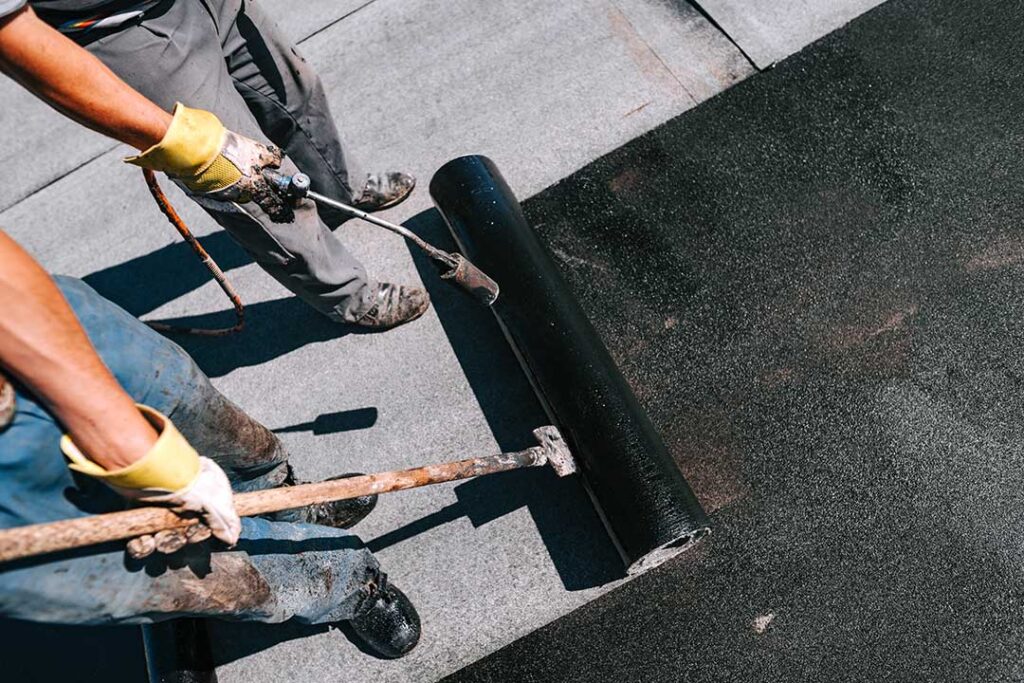
Replacing a roof creates more waste than shingles alone. Asphalt shingles may be mixed with roofing felt, nails, flashing, drip edge, wood, insulation, and damaged decking. In Greene, NY, the safest and most practical approach is to separate materials, identify anything hazardous, and confirm which local facility accepts construction and demolition debris before transporting a load.
Can old roof shingles be recycled?
Yes. Clean, uncontaminated asphalt shingles can sometimes be recycled into paving products, aggregate, or other construction materials. New York regulations allow authorized construction and demolition debris facilities to receive asphalt roofing shingles and roofing paper when they do not contain friable asbestos.
Recycling availability depends on the facility, the quantity, and the condition of the material. A location that accepts construction debris may still send shingles to disposal rather than recycling. “Accepted” does not always mean “recycled,” so residents should ask whether shingles are being recovered for reuse or simply buried as waste.
Asphalt shingles are the most commonly recyclable roofing material. Other roofing products may require separate handling.
What roofing materials should be separated?
Sorting materials before leaving the property helps prevent contamination and may reduce disposal costs. Keep the following groups separate whenever possible:
- Asphalt shingles and roofing felt
- Metal flashing, drip edge, gutters, and fasteners
- Clean wood, such as roof framing scraps or untreated sheathing
- Cardboard packaging
- Plastic wrapping and other ordinary trash
- Insulation, rubber roofing, or specialty membranes
- Damaged or treated wood
- Materials suspected of containing asbestos
Nails do not need to be removed from asphalt shingles before recycling. Shingle recyclers commonly use equipment that separates or processes the metal. Loose metal flashing and larger pieces of aluminum or steel should be placed separately because they may have a different recycling route.
Do not mix shingles with household recyclables. Roofing debris can damage sorting equipment and is not suitable for curbside recycling containers.
How should shingles be prepared for recycling?
Shingles should be kept as clean and dry as practical. Remove obvious household trash, large pieces of wood, insulation, and other unrelated debris. Avoid mixing soil, concrete, bricks, paint cans, chemical containers, or liquid materials into the load.
Roofing debris is often transported in a trailer, truck, or rented container. Use a tarp or another secure covering so pieces do not blow onto roads. Sharp nails and metal edges can puncture bags and create a hazard for anyone handling the material.
If the roof was damaged by a fire, flood, fuel spill, or chemical release, do not assume the debris can enter an ordinary construction waste stream. Contaminated materials may require special instructions.
What should happen to old metal roofing?
Metal roofing is usually easier to recover than composite roofing. Steel and aluminum panels, flashing, gutters, downspouts, and copper components can often be directed to scrap-metal recycling if they are reasonably free of wood, insulation, and excessive roofing cement.
Separate metal before loading whenever possible. Keeping it out of a mixed debris pile makes recovery more likely and prevents workers from encountering hidden sharp edges.
Metal roofing with heavy coatings, tar, glued membranes, or unknown residues may not qualify as ordinary scrap. Ask the receiving facility about unusual coatings or contamination before delivery.
Can old roofing materials be reused?
Some materials can be reused, but roof tear-off debris is rarely suitable for another finished roof. Shingles lose flexibility as they age, and reused pieces may be cracked, brittle, curled, or missing adhesive.
Potentially reusable items may include:
- Undamaged metal panels
- New or lightly used flashing
- Salvaged gutters and downspouts
- Extra shingles left from a recent installation
- Clean, unpainted lumber or sheathing
- Reusable storage containers and packaging
Reuse should not involve placing questionable roofing materials back into service. Any wood showing rot, insect damage, mold, or structural weakness should not be reused for load-bearing work.
How are old roofing materials handled locally?
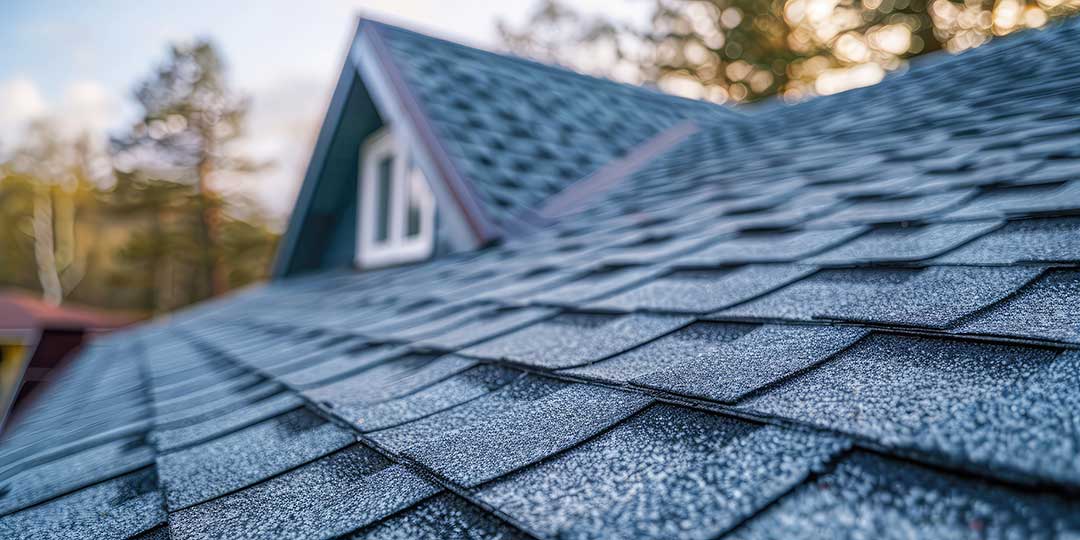
Local transfer stations in the area accept construction and demolition debris, but rules, fees, load limits, and sorting requirements can vary. Roofing debris may be accepted as a loose construction load rather than through a household recycling bin.
Before making a trip, verify:
- Whether asphalt shingles are accepted
- Whether the facility separates shingles for recycling
- Whether the load must be source-separated
- Whether metal roofing must be placed in a separate area
- Whether there are minimum charges or weight-based fees
- Whether residents must show proof of local residency
- Whether asbestos-containing materials are prohibited
- Whether trailers or large loads have special requirements
Facilities may reject loads that contain asbestos, hazardous substances, liquids, or materials that cannot be identified safely. A mixed load containing furniture, household garbage, paint, or chemicals may be charged differently or refused.
Seasonal conditions also matter. In Greene, roof work can be affected by snow, freezing temperatures, mud, and wet spring conditions. Keep debris covered and off the ground when possible so rain and melting snow do not spread nails, roofing granules, or contaminated residue around the property.
What about old roofing that may contain asbestos?
Do not break, cut, sweep, or place suspected asbestos roofing in a regular debris load. Older roofing products, underlayments, mastics, and some cement-based materials may contain asbestos, particularly in buildings with older construction or multiple layers of previous roofing.
Asbestos is most dangerous when fibers become airborne. Warning signs can include unusually old materials, brittle cement-like roofing products, historic repair layers, or documentation that identifies asbestos-containing components. Appearance alone cannot reliably confirm or rule out asbestos.
If asbestos is suspected, keep people away from the debris and obtain guidance about testing, packaging, transportation, and disposal requirements. Friable asbestos-containing waste is not handled as ordinary roofing debris.
Can roofing nails and small debris go in household trash?
A few nails collected during routine maintenance may be placed in a rigid, sealed container before disposal, but large quantities from a roof replacement should be treated as construction debris. Do not put loose nails, shingles, or sharp flashing directly into household trash bags.
After the work is complete, use a strong magnet or magnetic sweeper to check driveways, walkways, lawns, and areas below roof edges. Greene households may deal with gravel drives, uneven ground, gardens, and snow cover, all of which can hide roofing nails. A final inspection should be repeated after rain or snow melts.
What is the most responsible disposal order?
For most residential roofing projects, the practical order is:
1. Reuse undamaged materials when appropriate.
2. Separate clean metal for scrap recovery.
3. Keep clean asphalt shingles and roofing paper together for possible recycling.
4. Remove wood, plastic, cardboard, and household trash from the roofing load.
5. Isolate suspected asbestos or contaminated materials.
6. Confirm acceptance rules before transporting the debris.
7. Dispose of material through an authorized construction and demolition debris facility if recycling is unavailable.
This approach reduces contamination, improves the chance that useful material will be recovered, and helps keep sharp or hazardous debris out of ordinary household waste.
