
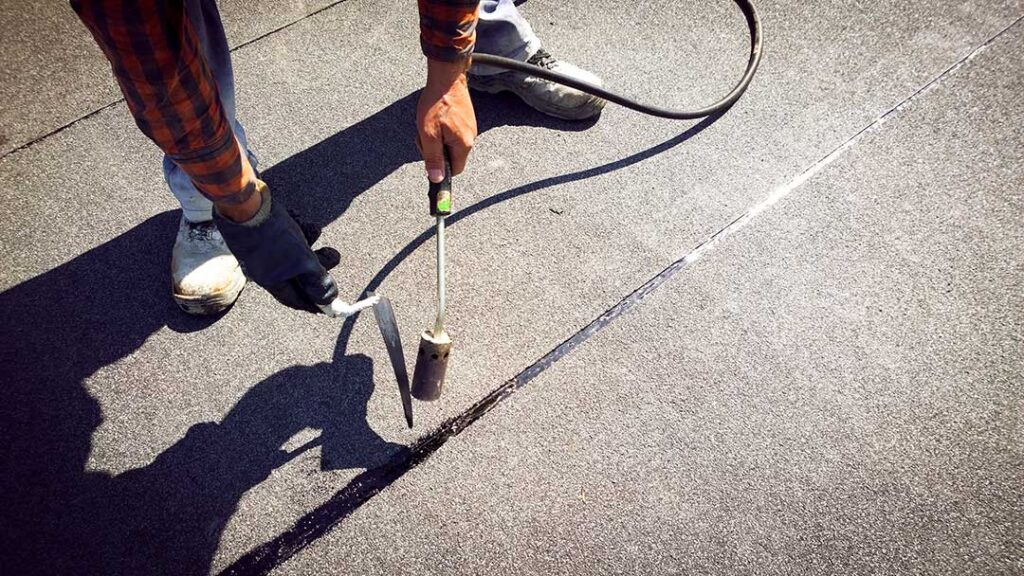
Roof flashing is the material installed at roof edges, joints, transitions, and openings to direct water away from vulnerable areas. In Greene, NY, flashing is especially valuable because roofs must handle snow, freeze-thaw cycles, wind-driven rain, and heavy runoff throughout the year.
Shingles shed most rainwater, but they cannot protect every joint by themselves. Flashing works as part of the roof’s drainage system, guiding water over the roof surface or into a gutter instead of allowing it to reach the roof deck, walls, insulation, or living space.
What exactly is roof flashing?
Roof flashing is usually made from corrosion-resistant metal, although flexible membranes and specialized materials may also be used in certain locations. It is shaped and layered around places where water could collect, change direction, or enter through a seam.
Common flashing locations include:
- Chimneys and masonry features
- Plumbing vent pipes
- Skylights
- Roof valleys
- Roof-to-wall intersections
- Dormers and sidewalls
- Eaves and rakes
- Roof edges and transitions
- Areas around roof-mounted equipment
The purpose is not simply to cover a hole. Proper flashing creates a planned path for water to move downward and outward. It must also be integrated with shingles, underlayment, siding, masonry, and gutters so that each layer continues directing water toward the exterior.
Why does flashing matter if the shingles look fine?
A roof can appear intact while flashing is already allowing water into the structure. Shingles cover broad areas, but leaks commonly begin at details where different materials meet.
For example, a roof may have sound shingles but still leak because:
- A step flashing piece is missing at a wall
- Chimney counterflashing has separated from the masonry
- A pipe flashing boot has cracked
- Valley flashing is blocked by debris
- A kick-out flashing detail sends water behind the siding
- Old metal has rusted or pulled away from the roof
- Fasteners were placed where water can collect
These problems may not show indoors immediately. Water can travel along rafters, roof decking, insulation, or wall framing before appearing as a ceiling stain. By the time a resident notices discoloration, the original entry point may be several feet away.
What are the main types of roof flashing?
Different roof details require different flashing designs.
Step flashing
Step flashing is installed where a sloped roof meets a vertical wall, such as at a dormer or sidewall. Individual pieces are layered with the shingles so water is directed away from the wall one step at a time.
Each piece must be positioned correctly. Covering step flashing with siding or roofing material in the wrong order can trap water behind the wall covering.
Continuous or base flashing
Continuous flashing is a longer piece used along certain wall-to-roof transitions. It helps bridge the joint and directs runoff onto the roof surface.
The design may include separate counterflashing, especially where the roof meets masonry. Counterflashing is set into or attached to the vertical surface so the upper edge of the joint is protected from water entry.
Chimney flashing
Chimneys require several coordinated components, including base flashing, step flashing, and counterflashing. The intersection is vulnerable because masonry can absorb moisture, expand and contract, and develop mortar joints that need maintenance.
Flashing placed only across the front of a chimney is not enough. The sides and uphill portion also need a properly layered water-shedding design.
Valley flashing
A roof valley concentrates runoff from two roof planes. Some valleys use exposed metal, while others use concealed flashing beneath the shingles or another approved roof covering.
Valleys should remain clear of leaves, branches, and accumulated grit. Debris can slow drainage and keep water against the roof covering longer than intended.
Pipe flashing
Plumbing vent pipes pass through the roof and require a weatherproof flashing boot. The rubber or flexible portion can become brittle over time, particularly after years of sun, cold temperatures, and temperature changes.
A leak around one vent pipe may appear as a small ceiling mark, but repeated moisture can damage nearby decking and insulation.
Drip-edge flashing
Drip edge is installed along roof edges to help direct water into the gutter or away from the fascia. It also helps protect the edge of the roof deck from moisture.

If drip edge is missing, poorly positioned, or installed in the wrong relationship to the underlayment, water can reach the fascia, soffit, or roof decking.
What does winter weather do to roof flashing?
Seasonal conditions in Greene can expose weaknesses that remain hidden during mild weather. Snow and ice may hold moisture against roof details, while freezing and thawing can expand small gaps and loosen materials.
Wind-driven rain can also move sideways or upward beneath poorly layered flashing. Ice dams may form along colder roof edges, allowing backed-up water to test the joints around shingles, walls, and eaves.
These conditions do not automatically mean a roof has a flashing problem. They do make proper installation, drainage, and inspection more significant than a visual check of the shingles alone.
What are the signs of a flashing problem?
Warning signs may appear outside or inside the home. Exterior clues include rusted metal, lifted flashing, cracked sealant, loose shingles near a wall, staining on masonry, or siding that appears swollen near a roof intersection.
Inside the home, look for:
- Brown or yellow ceiling stains
- Dampness near a chimney or exterior wall
- Peeling paint or bubbling drywall
- Musty odors in an attic
- Wet insulation
- Darkened roof decking
- Drips that occur only during wind-driven rain
- Water appearing after snow melts
A leak that appears only during certain weather can be difficult to locate. Rain direction, wind speed, snow coverage, and the amount of runoff may all affect which roof detail is exposed.
Can roof flashing be repaired, or does it need replacement?
The answer depends on the condition of the flashing and the surrounding roof materials. A loose section may be repairable if the metal is intact and the water-shedding layers remain accessible. Corroded, cracked, badly bent, or incorrectly layered flashing generally requires more extensive correction.
Sealant alone is not a universal repair. Caulk can close a small joint temporarily, but it cannot replace missing step flashing, correct poor overlap, or solve water that is entering behind siding or masonry.
Repairs also need to account for the roof covering. Removing and replacing shingles around a flashing detail without preserving proper layering can create a new leak even when the metal itself appears sound.
What should homeowners know about code and inspections?
New York’s residential construction requirements address flashing at roof-wall intersections, penetrations, and other locations where moisture could enter the roof or wall assembly. Specific requirements can vary with the roof design, materials, repair scope, and applicable code edition.
Flashing is also a safety issue during inspection or repair. Roof edges, steep slopes, wet surfaces, snow, and unstable masonry create fall and structural hazards. A qualified building professional may be necessary when the problem involves a chimney, concealed moisture, extensive rot, or difficult roof access.
For routine household awareness, residents can safely observe attic areas from an accessible location, check ceilings after major storms, keep gutters clear, and look for visible exterior changes from the ground. Walking on the roof is not necessary for a basic condition check.
How long does roof flashing last?
Flashing life depends on material, installation quality, exposure, roof movement, nearby trees, and maintenance. Metal may remain serviceable for many years, but seals, flexible pipe boots, and joints can deteriorate sooner.
A roof replacement is an opportunity to evaluate flashing rather than automatically reusing every existing piece. Flashing that is concealed beneath roofing or siding should be examined whenever nearby materials are removed, especially around chimneys, valleys, walls, and penetrations.
The most useful question is not whether the roof has metal flashing. It is whether the flashing is continuous, correctly layered, securely attached, and directing water to the exterior without relying on sealant as the primary defense.
