
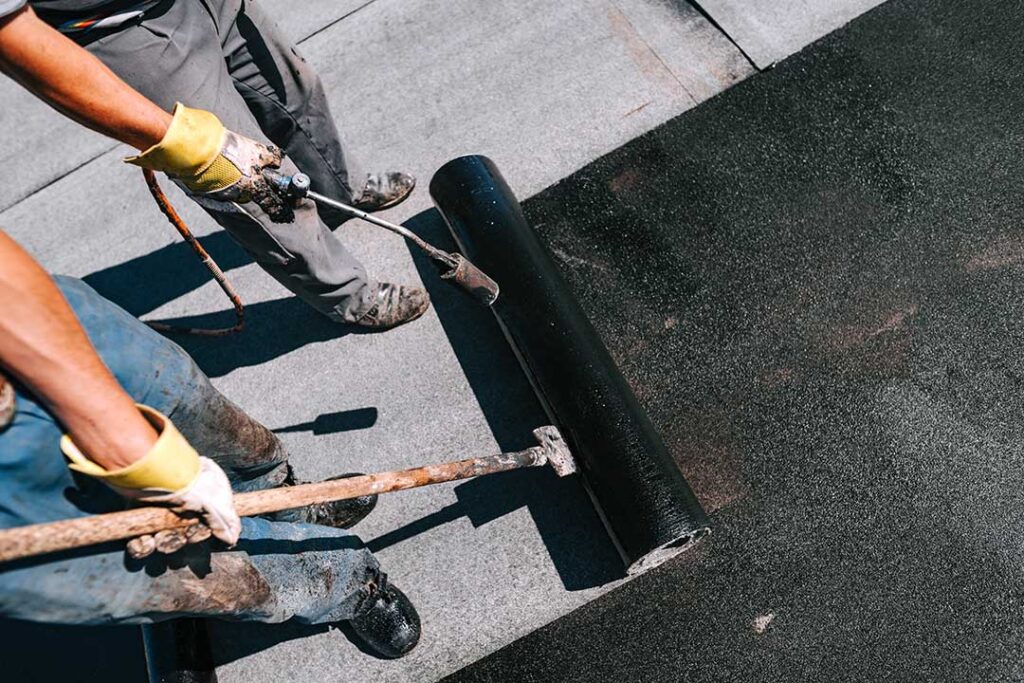
Regular roof maintenance helps prevent small defects from becoming interior leaks, structural damage, or premature roof replacement. For households in Greene, NY, routine attention is especially useful because roofs must handle snow, ice, heavy rain, wind, summer heat, and repeated freeze-thaw cycles.
Maintenance does not mean repairing every minor imperfection immediately or replacing a roof before it is necessary. It means observing changing conditions, keeping drainage paths clear, addressing damage early, and understanding how a roof is performing over time.
Why does regular roof maintenance matter?
The main benefit is early detection. Many roof problems begin as small issues that are easy to overlook: a lifted shingle, a cracked seal around a pipe, a loose flashing edge, or a gutter that no longer drains properly.
If these conditions are found early, the affected area may be limited. If they remain unnoticed, water can move beneath roofing materials and damage:
- Roof decking
- Attic insulation
- Ceiling materials
- Wall framing
- Interior paint and drywall
- Electrical components
- Stored belongings
Water damage may not appear directly below the original problem. Leaks can travel along rafters, sheathing, insulation, or framing before becoming visible inside the home. A ceiling stain may therefore indicate a roof issue several feet away from the visible mark.
Regular observation also creates a useful record. Knowing when a roof was last inspected, what areas have been repaired, and how materials have changed makes it easier to recognize new problems.
How does local weather affect roofs?
Seasonal weather can place repeated stress on roofing systems. In Greene, winter snow and ice may remain on a roof for extended periods, adding weight and increasing the chance of ice-related water intrusion. Freeze-thaw cycles can cause moisture in small cracks to expand and contract, gradually widening weak points.
Wind can lift or loosen shingles, particularly along roof edges, ridges, and corners. Heavy rain can expose problems around flashing, valleys, chimneys, skylights, and roof penetrations. Summer heat and sunlight can dry, curl, or weaken aging roofing materials.
After severe weather, a simple ground-level check can identify obvious concerns such as:
- Missing or displaced shingles
- Fallen branches or other debris
- Damaged gutters or downspouts
- Exposed underlayment
- Loose metal flashing
- Granules collecting unusually heavily near downspouts
A ground-level inspection is safer than climbing onto a wet, icy, or steep roof. Roof surfaces can be hazardous even when damage appears minor.
What should homeowners check during routine maintenance?
A basic maintenance review should include the roof surface, drainage system, attic, and areas where the roof meets another material or structure.
From the ground, look for changes in the roof’s appearance. Uneven lines, sagging areas, dark patches, or missing materials may suggest moisture or structural concerns. Shingles that are curling, blistering, cracked, or losing granules may be nearing the end of their useful service life.
Gutters and downspouts deserve particular attention. Leaves, pine needles, roof granules, and ice can restrict water flow. Water that spills over the side of a gutter can soak fascia boards, siding, foundation areas, or soil near the house. Downspouts should direct water away from the foundation rather than releasing it directly beside the wall.
The attic can reveal problems before they become visible in living spaces. During a careful visual check, look for:
- Damp insulation
- Water staining on wood
- Mold-like growth
- Daylight entering through unexpected openings
- Condensation on roofing nails or sheathing
- Musty odors
- Sagging or softened materials
Attic moisture is not always caused by a roof leak. Inadequate ventilation, air leakage from the living area, and indoor humidity can also produce condensation. Proper diagnosis matters because sealing or repairing the wrong area may not solve the underlying problem.
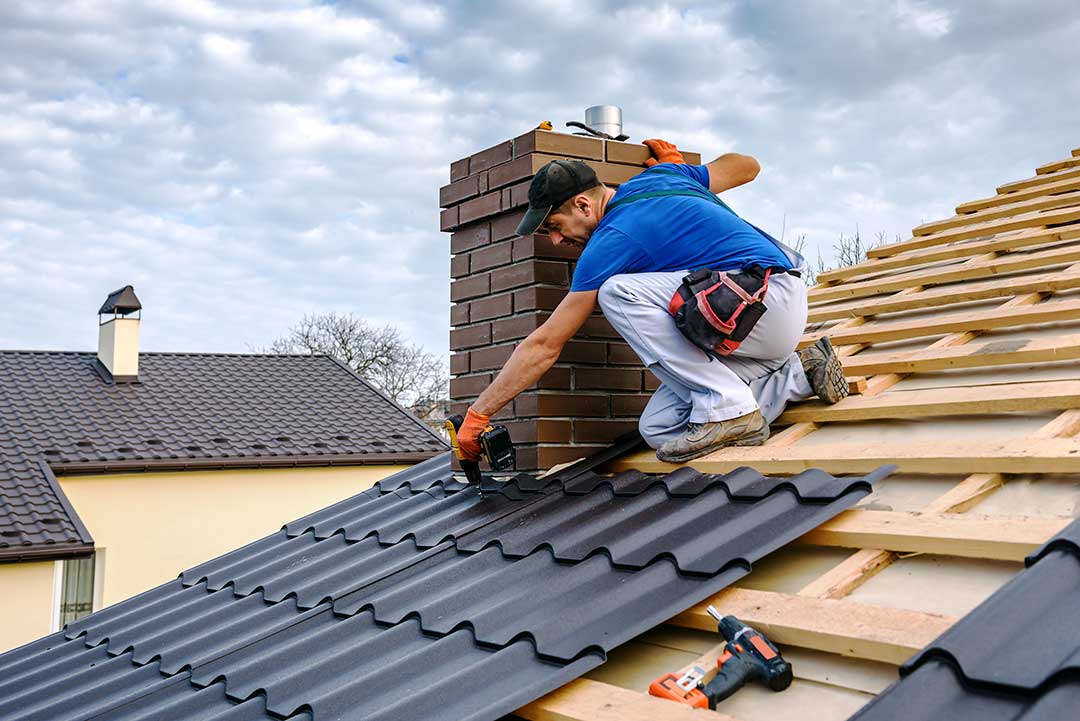
How often should a roof be maintained?
Most roofs benefit from a visual review at least twice each year: once after winter and again before the colder season. Additional checks are sensible after strong winds, heavy snowfall, ice events, or fallen branches.
The ideal schedule depends on the roof’s age, material, pitch, surrounding trees, and history of repairs. A roof beneath mature trees may collect more debris and receive less sunlight, allowing moisture to remain on the surface longer. Low-slope sections may also require closer observation because they shed water more slowly.
Maintenance should be more frequent when a roof has:
- Repeated leaks
- Aging or brittle shingles
- Heavy tree coverage
- Areas of standing water
- Previous storm damage
- Poor attic ventilation
- Complicated features such as valleys, dormers, chimneys, or skylights
A maintenance calendar can be simple. Record the date, weather conditions, visible changes, gutter condition, attic observations, and any repairs completed. Photographs taken from the same ground-level locations can make gradual changes easier to identify.
Does roof maintenance extend the life of a roof?
Maintenance can help a roof reach its expected service life, but it cannot stop normal aging. Roofing materials deteriorate from sunlight, weather exposure, thermal movement, moisture, and physical damage.
Promptly correcting small defects may reduce the amount of water entering the system and prevent adjacent materials from becoming damaged. Keeping gutters and roof valleys clear helps water drain as intended. Trimming branches that rub against roofing materials can reduce abrasion and impact damage.
However, maintenance does not make an old roof new again. Widespread granule loss, repeated repairs, persistent sagging, extensive shingle failure, or a roof surface that has reached the end of its expected life may indicate that maintenance alone is no longer sufficient.
What roof problems should not be ignored?
Some conditions deserve prompt attention because they can worsen quickly or create safety risks. Active water entry, a sagging roofline, a large opening, exposed decking, extensive storm damage, or damaged electrical components near a leak should not be treated as routine wear.
Ice dams also require care. An ice dam forms when melting snow refreezes near a colder roof edge, potentially allowing water to move beneath roofing materials. Removing ice with force, sharp tools, or improper chemicals can damage shingles and create additional hazards. Walking on an icy roof is especially dangerous.
Interior warning signs include new ceiling stains, peeling paint, damp insulation, bubbling drywall, unexplained musty smells, and water appearing around attic fixtures. The location of the indoor symptom may not match the location of the roof defect.
Can homeowners perform roof maintenance safely?
Many maintenance tasks can be handled from the ground, including visual observation, checking downspouts, removing reachable debris, and looking for changes after storms. Attic observations can also be useful when performed with adequate lighting and stable footing.
Climbing onto a roof becomes hazardous when the surface is wet, icy, steep, fragile, or covered with moss or debris. Ladders introduce additional fall risks, especially near snow, uneven ground, overhead lines, or unstable surfaces.
Safety concerns, active leaks, structural damage, and conditions that require walking on the roof may warrant assistance from a qualified roofing professional. This is particularly true when the work involves electrical hazards, damaged structural components, or difficult access.
Regular roof maintenance is most effective when it is treated as ongoing observation rather than a single annual task. In a climate with snow, rain, wind, and freeze-thaw conditions, modest seasonal checks can help identify changes early, protect the rest of the building, and provide a clearer understanding of when repair or replacement decisions may be necessary.
