
Wildlife rarely causes a roof to fail in a single dramatic event. More often, animals create small openings, disturb protective materials, block ventilation, or introduce moisture that gradually weakens the roof system. In Greene, NY, seasonal snow, freeze-thaw cycles, wind, and heavy rain can make those small defects more serious.
Understanding which animals commonly affect roofs, what warning signs to watch for, and how to respond safely can help prevent a minor entry point from becoming a larger structural or moisture problem.
Which animals commonly damage roofs?
Squirrels, raccoons, bats, birds, mice, and occasionally larger animals can affect roofs and attic spaces. Their behavior differs, so the evidence they leave behind is not always the same.
- Squirrels may chew wood, fascia, soffits, roof edges, and wiring. They often use small gaps near roof intersections, vents, or eaves.
- Raccoons can pull apart weak soffits, fascia, shingles, and vent coverings. Their size and strength allow them to enlarge an opening quickly.
- Bats commonly enter through narrow gaps near rooflines, gable vents, chimneys, and areas where siding meets trim.
- Birds may build nests in chimneys, vents, gutters, and roof cavities. Nest materials can restrict airflow and hold moisture against roofing components.
- Mice and other rodents may enter through very small openings, especially where roof edges connect with walls, dormers, or utility penetrations.
- Woodpeckers can create holes in trim, siding, and exterior wood components while searching for insects or establishing nesting cavities.
An animal does not have to live directly under the shingles to affect the roof. Activity around vents, gutters, chimneys, and roof edges can also create conditions that allow water to enter.
How do animals physically damage roofing materials?
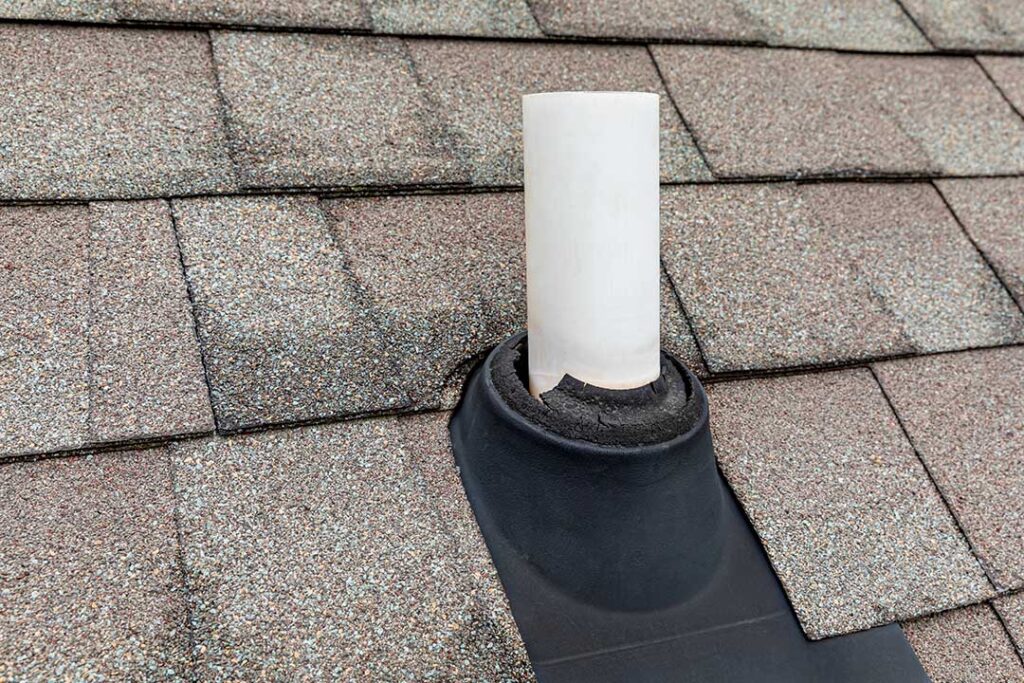
Animals usually damage roofs by exploiting weak points rather than breaking through sound materials. A loose piece of flashing, softened fascia, damaged vent screen, or deteriorated soffit can provide the first opening.
Once an entry point exists, animals may:
- Tear or dislodge shingles near the roof edge
- Pull away fascia or soffit panels
- Bend metal flashing around chimneys, walls, or vents
- Break plastic or thin metal vent covers
- Remove insulation and nesting materials
- Chew wood framing, wiring, or stored belongings
- Block ridge, soffit, gable, or bath-fan ventilation
- Track moisture and waste into attic spaces
The damage may not be visible from the ground. For example, a small opening near a roof-to-wall connection can allow wind-driven rain or melting snow into the attic. Water may then travel along rafters or insulation before appearing as a ceiling stain inside the home.
Can animal activity cause roof leaks?
Yes. Animal activity can lead to leaks by disturbing the materials that direct water away from the building. Shingles are only one part of a roof’s water-shedding system. Flashing, underlayment, roof edges, valleys, vents, and penetrations are equally important.
A squirrel chewing near a vent may damage the surrounding seal. A raccoon pulling at a roof edge may loosen shingles and expose underlayment. A bird nest in a vent can trap moisture or force water to back up during rain.
In winter, the risk can increase. Snow and ice may cover a small roof defect, while melting water finds the opening later. Freeze-thaw cycles can also enlarge cracks and gaps in already-damaged materials. A leak that begins with animal activity may therefore become noticeable weeks or months after the original damage occurred.
What signs suggest animals are affecting the roof?
Some warning signs appear inside the house, while others are visible around the exterior.
Inside the attic or upper floors, residents may notice:
- Scratching, thumping, or rustling sounds
- Droppings or urine odor
- Torn insulation or nesting material
- Daylight visible through a roof or wall opening
- Stains, damp wood, or wet insulation
- Chewed electrical wiring
- Feathers, fur, or animal tracks
- Unusual odors near vents or ceilings
Outside, look for:
- Missing or shifted shingles
- Damaged soffits or fascia
- Holes near eaves, gable vents, or roof-to-wall joints
- Bent or loose flashing
- Nesting material around vents or chimneys
- Blocked gutters or downspouts
- Greasy marks or repeated animal paths near entry points
- Fresh wood chips or chew marks
Noises can be misleading because sound travels through framing. Activity heard in an attic may come from a wall cavity, chimney, soffit, or another nearby space. A careful inspection is more reliable than assuming the animal’s location from sound alone.
Should a hole be sealed immediately?
Not always. Sealing an opening before confirming that all animals are outside can trap adults or dependent young inside the building. Trapped animals may die, create odors, damage interior materials, or force their way into another part of the house.
Bats require particular care because exclusion methods and timing can matter. Birds and other wildlife may also be protected under specific laws or regulations. A nest, den, or roost should not be disturbed casually.
A safer approach is to first determine:
- What species is using the opening
- Whether animals are currently inside
- Whether young are present
- Whether the entry point is connected to a chimney, vent, or living space
- Whether the opening can be closed without creating a new hazard
If an animal is inside the living area, behaves aggressively, or may have had contact with people or pets, avoid direct handling. Keep children and pets away and seek appropriate wildlife or public-health guidance.
How can homeowners reduce roof-related animal damage?
Prevention works best when it addresses both the roof and the surrounding property.
Regularly check roof edges, soffits, fascia, vents, chimney areas, and roof-to-wall transitions, especially after windstorms. Look for loose materials before they become openings.
Other practical measures include:
- Keep tree limbs from providing easy access to the roof
- Maintain gutters so water does not weaken fascia and soffits
- Use properly fitted, durable screens on vents where appropriate
- Keep garbage and outdoor food sources secured
- Repair damaged trim before animals enlarge the opening
- Do not block attic ventilation with improvised materials
- Store birdseed and pet food in sealed containers
- Check sheds, porches, and connected structures for access routes
- Inspect the attic after hearing repeated nighttime activity
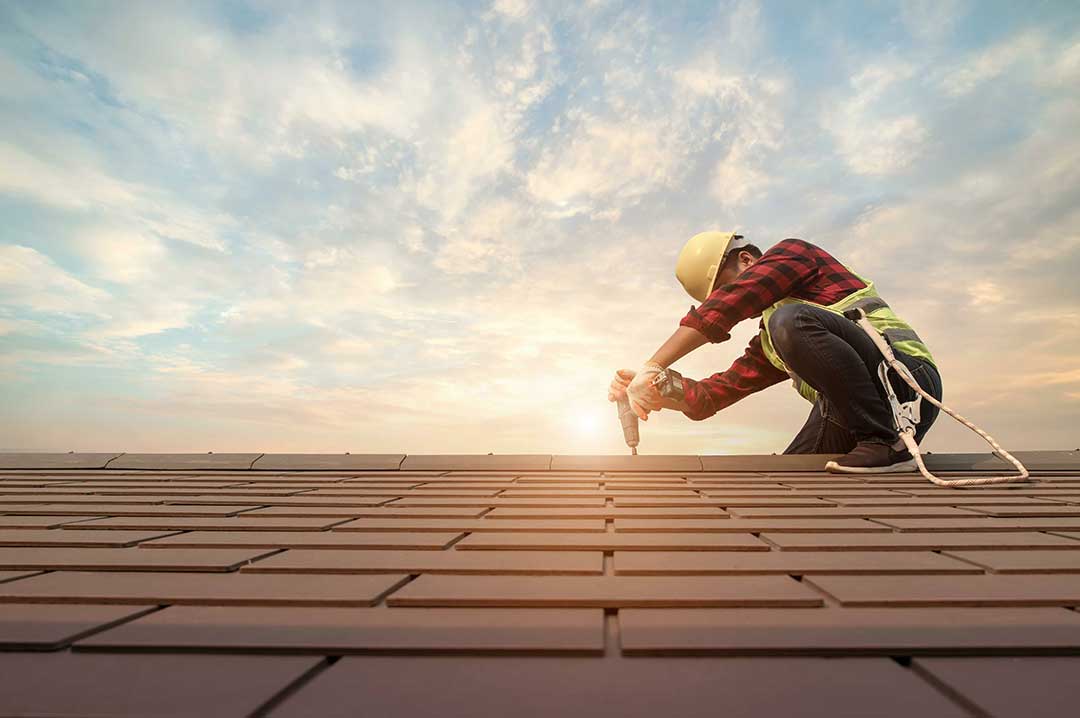
Roof access can be dangerous, particularly when surfaces are wet, icy, steep, or weakened. Inspection from the ground is reasonable, but walking on a questionable roof or entering an unstable attic can create a fall or structural hazard.
When is the problem more than a minor repair?
Animal damage deserves prompt attention when water is entering, wiring has been chewed, insulation is contaminated, a large opening is visible, or the roof structure appears weakened. The combination of wildlife damage and winter moisture can affect rafters, sheathing, insulation, and interior finishes.
In Greene, roof repairs may also be subject to local permitting requirements, particularly when work involves replacement or roof recovery rather than a simple maintenance task. Before beginning substantial roof work, property owners should verify the applicable local requirements.
The most effective long-term repair addresses both parts of the problem: safely resolving the animal entry and restoring the roof components that allowed access. Replacing only the visible shingles, without correcting damaged flashing, trim, ventilation, or framing, may leave the same opening available for future use.
