
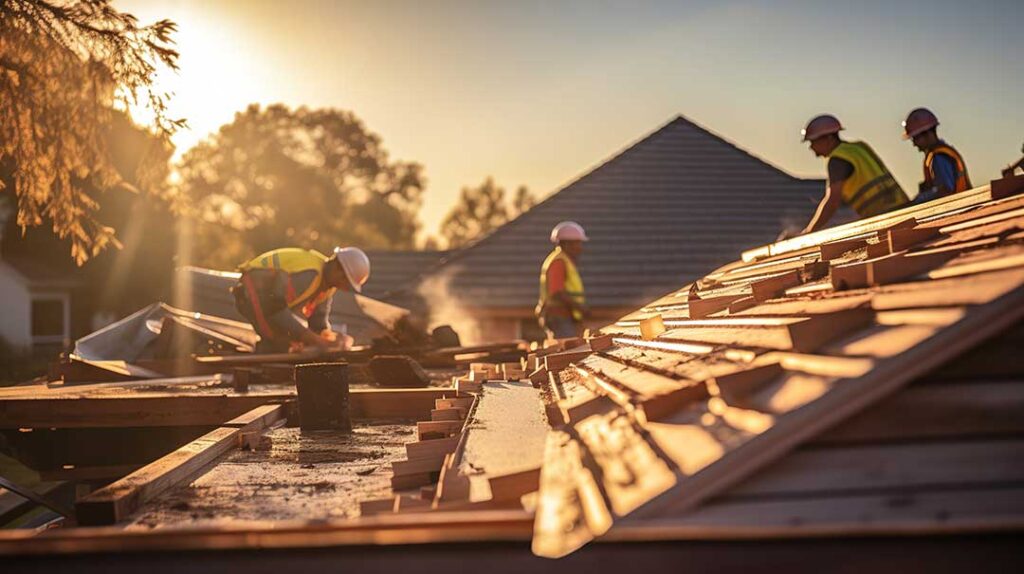
Why does sun exposure matter to a roof?
Sunlight affects roofing in two main ways: ultraviolet radiation gradually breaks down exposed materials, while solar heat raises the temperature of the roof surface and attic. In Greene, NY, these effects occur alongside winter cold, snow, moisture, and seasonal temperature swings, so roof aging is rarely caused by sunlight alone.
A roof does not need to look severely damaged for sun exposure to matter. The process is often gradual. Shingles may lose flexibility, protective granules may loosen, sealant may dry out, and flashing materials may expand and contract repeatedly as temperatures change.
The south- and west-facing roof sections usually receive the strongest afternoon exposure. Those areas may age differently from north-facing slopes, which often remain cooler and shaded for longer periods.
How does ultraviolet light damage roofing materials?
Ultraviolet, or UV, radiation can weaken the binders and surface coatings used in many roofing products. On asphalt shingles, repeated exposure may contribute to drying, brittleness, fading, and loss of the protective surface granules.
Granules serve several purposes. They help shield the asphalt coating from sunlight, add color, and protect against weathering. As granules loosen, the underlying material receives more direct exposure. This can accelerate surface deterioration, particularly on roof slopes that receive strong sunlight throughout the day.
Common signs of UV-related aging include:
- Shingles that appear unusually faded or discolored
- Bald patches where granules are missing
- Exposed dark or fibrous areas on shingle surfaces
- Curling, cracking, or brittle edges
- Small granules collecting in gutters or at the ends of downspouts
Fading alone does not always mean a roof is failing. Color changes can occur naturally as roofing materials weather. More useful warning signs include widespread granule loss, cracking, exposed underlayment, or shingles that no longer lie flat.
Can sunlight make a roof leak?
Sunlight does not usually create a leak by itself, but it can weaken materials that help keep water out. As shingles become brittle or sealant loses elasticity, the roof may become less tolerant of wind, ice, heavy rain, and repeated movement.
Heat can also affect flashing and joint areas. Metal flashing, pipe boots, roof cement, and sealants expand and contract at different rates. Over many seasons, this movement can open small gaps around chimneys, vents, skylights, wall intersections, and other penetrations.
A leak may first appear indoors far from the actual point where water entered. Water can travel along roof decking, rafters, insulation, or ceiling materials before becoming visible. A ceiling stain beneath a sun-exposed roof slope should not automatically be blamed on sunlight alone; wind-driven rain, ice dams, blocked drainage, and aging flashing may also be involved.
Does a hot roof affect the attic and living space?
Yes. A roof exposed to strong summer sun can transfer heat into the attic and, eventually, into the rooms below. The effect depends on the roof color, roofing material, insulation, ventilation, air sealing, roof design, and outdoor temperature.
An attic with inadequate insulation or ventilation may become noticeably hotter than the outdoor air. That heat can increase cooling demand and make upper rooms uncomfortable. It can also contribute to aging of roof decking, insulation, wiring, stored belongings, and mechanical equipment located in the attic.
Roof color matters, but it is not the only factor. Darker materials generally absorb more solar energy, while lighter or specially designed reflective materials may reduce surface temperatures. However, replacing a sound roof solely to change its color is not always financially sensible. Roof condition, ventilation, insulation, and remaining service life should be considered together.
Why can shaded and sunny sections age differently?
Shade can reduce direct solar heating, but it does not automatically protect a roof from every type of damage. Tree shade may keep a roof cooler, yet branches, leaves, and needles can trap moisture and block drainage. Persistent dampness may encourage moss or algae growth, especially on areas with limited drying.
In Greene, seasonal tree cover can create noticeable differences between roof sections. A roof slope beneath nearby trees may show organic growth or debris accumulation, while an unobstructed south-facing slope may show more fading and granule loss.
The most durable roof condition usually comes from a balance: enough sunlight and airflow for surfaces to dry, but not so much heat and UV exposure that materials age prematurely. Branches should not rest on or rub against roofing, and roof valleys and gutters should remain clear of accumulated debris.
Does winter snow protect a roof from sun damage?
Snow temporarily blocks direct sunlight, but it does not cancel the effects of long-term exposure. Roofing materials continue to age during the many months when the roof is exposed to sunlight, rain, wind, and temperature changes.
Winter conditions may add separate stresses. Snow and ice can hold moisture against weakened shingles, while freeze-thaw cycles may enlarge small cracks or openings. Uneven melting can also contribute to ice dams when heat escapes through the roof or attic and melts snow above colder eaves.
A roof that has already become brittle from years of exposure may be less able to withstand winter weather. This is one reason a roof can appear acceptable in late summer but develop leaks after snow, ice, or strong winter winds.
How can residents recognize sun-related roof aging?
Inspection from the ground can reveal useful clues, although it cannot show every problem. Look for differences between roof slopes, uneven color, missing granules, curled shingles, exposed fasteners, and damaged flashing.
Inside the attic, check for daylight where it should not be visible, damp insulation, water marks, musty odors, or roof decking that appears darkened or stained. These signs do not identify the exact cause, but they indicate that moisture or ventilation problems may be present.
After severe weather, a careful ground-level check is safer than walking on the roof. Roofing surfaces can become slippery, brittle, or structurally weak, especially when wet, icy, or steep. Walking on them can also cause damage that was not present before the inspection.
What helps a roof handle sun exposure better?
The most useful measures are condition-based rather than cosmetic:
- Keep gutters, valleys, and roof drainage paths free of leaves and debris.
- Keep tree branches from rubbing against the roof or blocking drying airflow.
- Maintain adequate attic insulation and ventilation.
- Watch south- and west-facing slopes for earlier signs of wear.
- Check flashing and roof penetrations during routine maintenance.
- Treat moss and algae carefully rather than scraping or power-washing shingles.
- Replace damaged or missing shingles before water reaches the underlayment or decking.
- Consider solar reflectance and heat performance when selecting materials for a future roof replacement.
No roofing material is unaffected by the sun. The practical goal is to recognize how solar exposure interacts with moisture, ventilation, snow, wind, and age. A roof that dries properly, drains well, and has sound materials is generally better prepared for the full range of seasonal conditions experienced by local households.
