
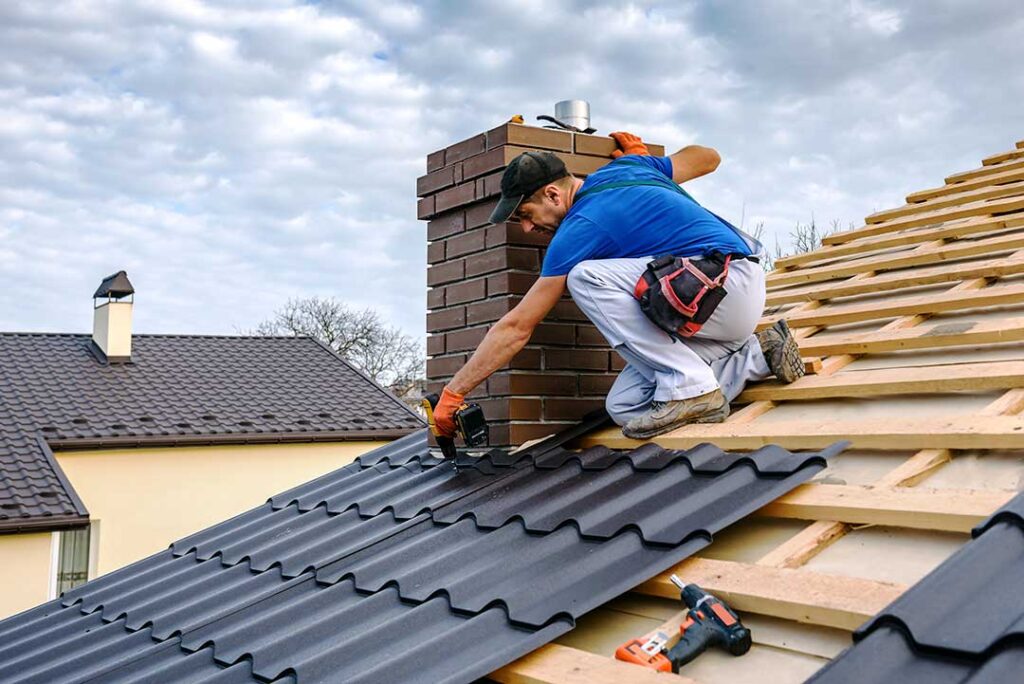
Renovation work can protect and improve a home, but the process may also expose the roof to damage. Materials, ladders, tools, dust, foot traffic, and temporary openings can all create problems if the roof is not treated as an active part of the work zone.
In Greene, NY, renovation planning should also account for changing weather, freeze-thaw cycles, wind, rain, and snow. A roof that is safe during a dry afternoon may become hazardous or vulnerable after one night of poor weather.
Which renovation activities can damage a roof?
Projects involving the attic, chimney, siding, windows, solar equipment, plumbing, electrical systems, or additions may affect the roof directly or indirectly.
Common risks include:
- Walking on shingles or other roofing materials unnecessarily
- Dragging lumber, tools, or debris across the roof surface
- Leaning ladders against gutters, flashing, or roof edges
- Allowing nails, screws, or sharp scraps to remain on the roof
- Covering vents or blocking drainage paths
- Removing roofing materials before replacement materials are ready
- Creating openings around pipes, skylights, walls, or chimneys
- Letting dust and debris collect in gutters and downspouts
Even when workers do not intend to work on the roof, materials may be stored there temporarily. Roofing materials are not designed to function as a general work platform, and concentrated foot traffic can cause cracks, loosened granules, bent metal, or damaged seams.
How should the roof be inspected before work begins?
A pre-renovation roof inspection creates a record of existing conditions and identifies weak areas before they are disturbed. The inspection should cover the roof surface, flashing, penetrations, drainage system, attic, and areas where construction will connect to the building.
Look for:
- Missing, lifted, cracked, or brittle shingles
- Rust, open seams, or loose fasteners on metal roofing
- Damaged flashing around chimneys, vents, walls, and skylights
- Sagging roof sections or visible water staining
- Clogged gutters and downspouts
- Soft sheathing or damp insulation in the attic
- Moss, heavy debris, or blocked ventilation openings
- Existing leaks that may be mistaken for renovation-related damage
Photographs are useful, especially around roof-to-wall connections and existing interior stains. A written record can help distinguish older conditions from damage that occurs during construction.
If the roof is already near the end of its service life, renovation planning should address that before new siding, insulation, dormers, or interior finishes cover areas that may later need roof work.
How can ladders and scaffolding be used safely?
Ladders should not rest directly on gutters, downspouts, roof edges, or fragile siding. Weight concentrated in one location can bend metal components or crack roofing materials. Ladder placement should follow the equipment manufacturer’s safety instructions and account for uneven ground, wet surfaces, and overhead hazards.
Scaffolding can reduce the need to walk on the roof, but it must be installed on stable footing and kept clear of roof drainage areas. Boards, braces, and platforms should not press against flashing or obstruct gutters.
A ladder used for roof access also creates a fall hazard, particularly when surfaces are wet, icy, frosted, or covered with loose granules. In the colder months, snow and ice can remain in shaded areas even after other parts of the roof appear clear.
Roof access should be limited to people who understand fall protection and roof-surface hazards. Homeowners should avoid climbing onto a roof simply to inspect renovation work.
What precautions help during exterior renovations?
The most effective protection is to separate the roof from the work area whenever possible. Materials should be lifted and moved using appropriate equipment rather than dragged across shingles or metal panels.
Protective steps include:
- Use designated walk paths and avoid unnecessary roof traffic
- Keep heavy materials on the ground or on properly supported platforms
- Cover nearby roof sections only with materials suitable for temporary protection
- Use boards or walk pads where limited access is unavoidable
- Remove loose fasteners, scraps, and packaging at the end of each workday
- Keep tarps, ropes, and plastic sheeting secured against wind
- Protect skylights, vents, and fragile features from falling objects
- Check that temporary coverings do not trap moisture against the roof
A tarp can reduce exposure during a short interruption, but it is not a substitute for a completed roof system. Loose or poorly secured tarps can lift in strong wind, allow water underneath, or damage shingles through repeated movement.
How should roof openings be protected from rain and snow?
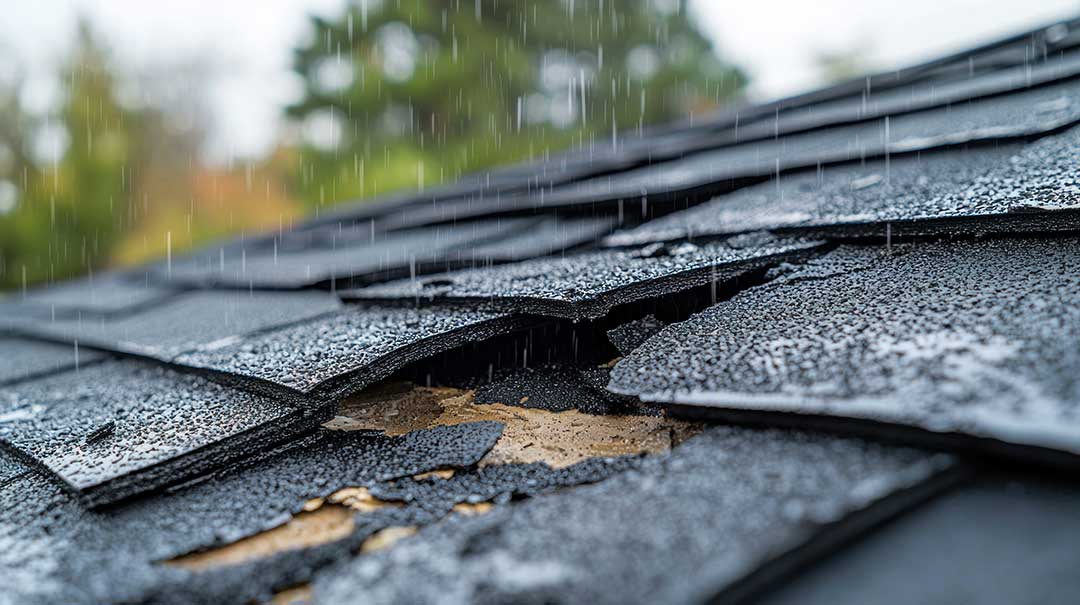
Any opening in the roof requires immediate weather protection. This includes openings for dormers, additions, chimneys, skylights, plumbing vents, and mechanical equipment.
Openings should not be left exposed overnight unless a reliable temporary enclosure is in place. Rain can enter quickly through exposed decking, and snow may melt into wall cavities or insulation. Water that reaches framing can remain hidden and contribute to swelling, staining, mold growth, or decay.
Temporary protection should:
- Direct water away from the opening
- Extend beyond the exposed area far enough to prevent runoff from entering
- Be secured for expected wind conditions
- Avoid blocking ventilation where ventilation is still required
- Be checked after rain, snow, and strong wind
- Be removed or replaced promptly as construction advances
In Greene, NY, weather can shift quickly during spring and fall. A renovation schedule that depends on several dry days should include a plan for sudden rain, overnight temperature drops, and wet materials.
Can renovation debris damage the roof or gutters?
Yes. Small debris can create significant problems if it remains on the roof or enters the drainage system. Roofing granules, sawdust, insulation, nails, and pieces of siding may wash into gutters and downspouts.
Blocked drainage can cause water to back up under roof edges or overflow near foundations and exterior walls. Metal fasteners left on the roof may rust, stain surfaces, or puncture roofing materials when stepped on.
Roof cleanup should be performed with methods appropriate for the roofing material. Hard scraping, aggressive sweeping, or using equipment that blows debris beneath shingles can cause damage. Magnetic sweepers can help collect loose steel fasteners from the ground, but they do not replace a careful visual inspection of the roof and gutters.
What should happen after the renovation is finished?
The roof should receive a final inspection before tools, scaffolding, and temporary coverings are removed completely. The inspection should confirm that no materials, openings, or drainage problems remain.
Check for:
- Loose or missing roofing components
- New dents, cracks, punctures, or lifted edges
- Damaged flashing around the renovation area
- Exposed fasteners or unsealed penetrations
- Blocked vents, gutters, or downspouts
- Debris on the roof, in gutters, or around downspout outlets
- Interior signs of leakage after the first substantial rain
Interior spaces beneath the work area should also be checked. Water stains may appear hours or days after a leak begins, particularly around insulation, ceiling cavities, and finished walls.
When is specialized help necessary?
Roof work becomes especially hazardous when it involves steep slopes, fragile materials, structural changes, electrical equipment, ice, snow, or visible sagging. Work that alters roof framing, creates new openings, or affects fire and weather protection may also require permits or compliance with applicable building requirements.
A qualified roofing or construction professional is appropriate when safe access cannot be established, the roof deck may be damaged, a leak cannot be located, or the renovation changes the roof’s structure. Electrical work near the roof should be handled with particular care because metal components, ladders, and overhead wiring create additional risks.
Protecting the roof during renovation is mainly a matter of planning: document its condition, limit traffic, control materials and debris, secure temporary weather protection, and inspect the work before the project is closed up. Those steps help prevent small construction mistakes from becoming hidden moisture damage or expensive repairs later.
