
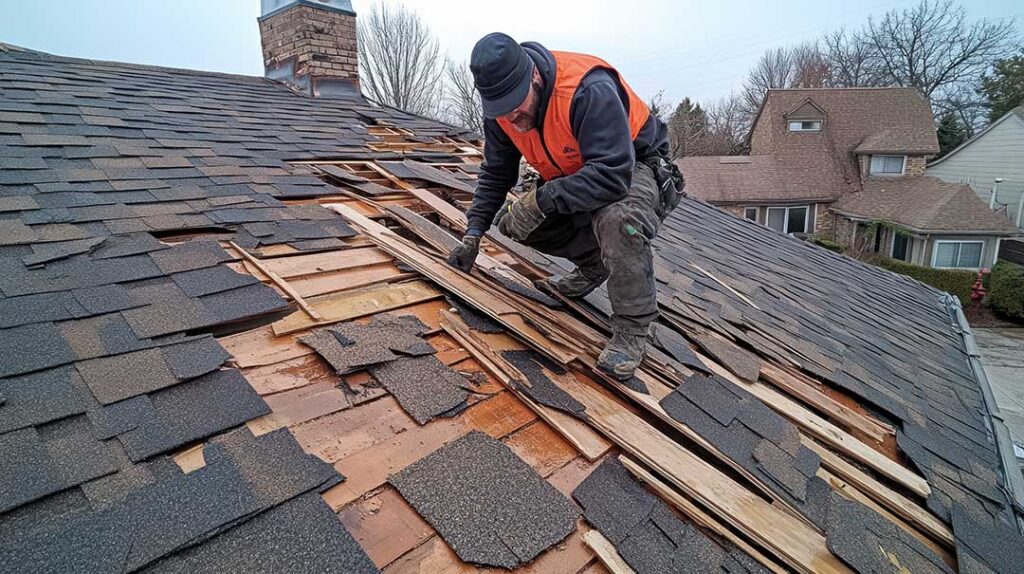
Roof maintenance is easiest when it follows the seasons. In Greene, NY, roofs must handle snow, ice, wind, rain, changing temperatures, falling leaves, and occasional heavy storms. A routine inspection in spring, summer, and fall can help identify minor problems before they lead to leaks or interior damage.
The checklist below is designed for common residential roofing systems, including asphalt shingles, metal roofing, and low-slope sections. It focuses on visible conditions that homeowners can safely observe from the ground or from accessible areas. Roof surfaces can be slippery and unstable, so climbing should be avoided when conditions are wet, icy, steep, or otherwise hazardous.
What should be checked after winter?
A spring inspection should focus on damage caused by snow, ice, freezing temperatures, and winter wind. Look for changes in the roof surface and for signs that water may have entered the building.
From the ground, check for:
- Missing, lifted, cracked, or curled shingles
- Shingle granules collecting near downspouts
- Bent or damaged metal flashing
- Loose sections around chimneys, vents, and roof edges
- Sagging areas along the roofline
- Debris that may have been blown onto the roof
Inside the home, inspect ceilings, upper-floor walls, closets, and attic spaces for brown stains, damp insulation, peeling paint, or a musty smell. A roof leak may not appear directly beneath the exterior problem because water can travel along rafters, sheathing, or insulation before becoming visible.
Ice dams are another winter-related concern. They can form when heat escapes through the attic and melts snow unevenly on the roof. Water may then collect behind the ice and move beneath shingles or into roof edges. Repeated ice dams suggest that attic insulation, air sealing, ventilation, or roof-edge drainage should be evaluated rather than treating only the visible ice.
How should gutters and downspouts be handled in spring?
Gutters and downspouts should be cleared of leaves, roof granules, twigs, and winter debris. Water should flow freely through the entire system and discharge far enough away from the foundation to prevent repeated wetting near basement walls.
Check that:
- Gutters remain securely attached and do not pull away from the fascia
- Gutter sections do not sag or hold standing water
- Downspouts are connected and free of blockages
- Extensions direct water away from the foundation
- Water is not spilling over one section during rainfall
- Soil below the roof edge is not eroding or staying saturated
A clogged gutter can contribute to overflow, wet fascia boards, damaged soffits, and moisture near the foundation. Gutters are especially useful during spring rain, but they cannot compensate for damaged flashing or a roof surface that is already allowing water beneath the shingles.
What roof maintenance is useful during summer?
Summer is a good time to inspect roof ventilation, exterior penetrations, and areas affected by strong sun or thunderstorms. Warm, dry conditions also make it easier to observe roof details from a safe location.
Look for shingle blistering, exposed fasteners, deteriorated sealant, loose flashing, and damaged vent covers. Pay close attention to roof sections near large trees, since branches may rub against shingles or drop debris during storms.
After a strong windstorm, inspect the yard for roofing materials. Finding shingle pieces or metal fragments on the ground may indicate damage that is not obvious from a distance. Check attic spaces for daylight visible through the roof deck, but do not touch exposed wiring, wet insulation, or damaged structural materials.
Ventilation also deserves attention in summer. An attic that becomes excessively hot may indicate blocked intake vents, inadequate exhaust ventilation, or air leakage from the living space. Roof vents should not be covered by insulation, nests, leaves, or stored items. Bathroom and kitchen exhaust fans should discharge outdoors rather than into the attic, where moisture can contribute to mold and wood deterioration.
What should be done before fall leaves and snow?
Fall maintenance is mainly about drainage, tree-related hazards, and preparing for snow. Complete the inspection before leaves accumulate and before icy weather makes roof access unsafe.
Trim branches that scrape the roof or hang heavily over roof slopes. Branches do not need to touch the roof to create a problem; falling limbs can damage shingles, vents, flashing, and gutters. Trees also drop leaves and seed material that can block drainage points.
Before winter, check:
- Roof valleys for packed leaves and debris
- Gutters and downspouts for obstructions
- Flashing around chimneys, skylights, and wall intersections
- Rubber seals around plumbing vents
- Attic insulation for dampness or compressed areas
- Roof edges for signs of prior ice buildup
- Exterior caulking or sealant that has separated
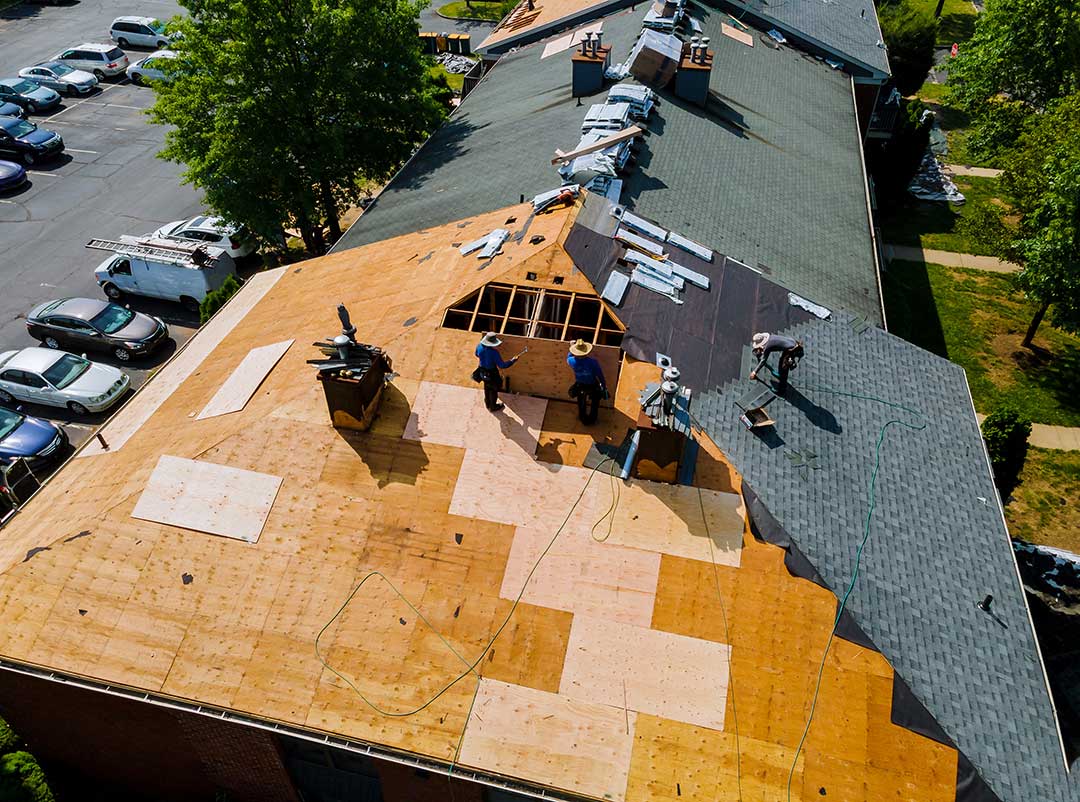
Do not place heavy snow guards, tools, decorations, or stored materials on the roof without confirming that the roof system is designed to support them. Snow removal from a roof can also create hazards and may damage shingles if performed with improper equipment.
How often should a roof be inspected?
A basic visual check is useful in spring and fall, with additional inspections after severe wind, hail, falling branches, or unusually heavy snow. Homes surrounded by mature trees may need more frequent gutter and roof-edge checks.
A roof should also be reviewed when interior warning signs appear, including:
- Water stains that grow or return
- Damp insulation
- Dripping sounds during rain
- Peeling paint near ceilings
- Musty odors in upper rooms or attics
- Unexplained increases in indoor humidity
- Daylight visible through the roof deck
The age and condition of the roof matter as well. Older roofing materials may require closer observation even when no leak is visible. A roof can remain functional while still developing isolated weak areas around penetrations, valleys, edges, or flashing.
Which maintenance tasks are safe to do personally?
Many homeowners can safely handle ground-level observations, gutter cleaning from stable access equipment, removal of reachable debris, and checking attic conditions with a flashlight. Work should stop if surfaces are wet, icy, steep, unstable, or close to electrical equipment.
Professional evaluation is warranted when there is active leaking, structural sagging, extensive storm damage, damaged flashing at difficult heights, suspected mold, or a roof section that cannot be reached safely. Safety is also a concern when ladders must be placed on uneven ground, near overhead wires, or in winter conditions.
Routine roof care is not about making a roof look new. It is about recognizing changes early, keeping water moving away from the building, maintaining a dry attic, and addressing hazards before they become more difficult to manage. A seasonal review gives Greene, NY households a practical way to keep track of these conditions throughout the year.
