

What is a cool roof?
A cool roof is designed to reflect more sunlight and release absorbed heat more effectively than a conventional dark roof. Because the roof surface stays cooler in direct sun, less heat moves into the attic and living space below.
“Cool” does not refer to the roof’s appearance alone. A roof may be white, light gray, tan, or another color and still have limited reflective performance. Roofing materials are evaluated by properties such as solar reflectance, which measures how much sunlight is reflected, and thermal emittance, which describes how efficiently the surface releases heat.
Cool-roof options may include:
- Light-colored asphalt shingles with reflective granules
- Reflective metal roofing
- Light-colored membrane roofing for low-slope roofs
- Reflective coatings designed for compatible roofing materials
- Certain tile, composite, or specialty roofing products
The benefits depend on the entire roof system, including insulation, ventilation, roof pitch, material condition, and the building’s heating and cooling equipment.
How can a cool roof improve indoor comfort?
The most noticeable benefit is reduced heat transfer during sunny weather. A dark roof can become substantially hotter than the surrounding air, especially during long periods of direct summer sunlight. A more reflective roof absorbs less solar energy, which can help limit attic temperatures and reduce heat entering upper-floor rooms.
This can be useful in homes with:
- Finished attic spaces
- Bedrooms directly beneath the roof
- Limited air conditioning
- Older insulation
- Large roof areas with little shade
- Dark roofing exposed to afternoon sun
A cool roof will not make an uninsulated attic comfortable by itself. Air sealing, adequate insulation, proper soffit-to-ridge airflow, and control of moisture remain essential. If heat is bypassing the insulation through gaps around light fixtures, attic hatches, ducts, or wiring, changing roof color may produce only a modest improvement.
Can cool roofs reduce energy use?
Yes, but the amount varies widely. Cooling savings are generally greatest in buildings that use air conditioning, have large sun-exposed roof areas, or have limited insulation. By reducing heat entering the structure, a cool roof may allow air-conditioning equipment to run less often during hot weather.
For many homes in Greene, the annual effect may be more moderate than in climates with longer, hotter summers. The community experiences a heating season as well as warm sunny periods, so the roof must be evaluated as part of a year-round energy system rather than as a summer-only feature.
A cool roof can also help reduce short-term indoor temperature swings during heat waves. That may improve comfort even when the direct reduction in electricity use is small.
The biggest energy savings often come from combining several improvements:
- Adequate attic insulation
- Air sealing at the ceiling plane
- Proper attic ventilation
- Efficient windows where replacement is needed
- Shading from trees or exterior features
- Correctly sized heating and cooling equipment
Does a cool roof help the roof last longer?
It can reduce some heat-related stress, particularly on roofing materials that repeatedly expand during the day and contract as temperatures fall. Lower surface temperatures may also reduce thermal movement in certain roof assemblies.
However, a cool roof is not automatically a longer-lasting roof. Service life still depends on installation quality, material design, roof drainage, ventilation, flashing, ice and snow exposure, falling branches, foot traffic, and maintenance.
In the Northeast, freeze-thaw cycles can be especially significant. Water that enters a vulnerable area, freezes, expands, and thaws repeatedly may cause damage regardless of the roof’s color. Reflective properties cannot correct deteriorated flashing, blocked drainage, missing shingles, or poor underlayment.
Are cool roofs useful in a cold-winter climate?
They can be, but the tradeoffs deserve attention. A reflective roof may provide less passive solar heat gain during winter sunlight, which can slightly increase heating demand in some buildings. In a mixed heating-and-cooling climate, that winter effect must be weighed against summer comfort and cooling savings.
The result depends on factors such as:
- Roof insulation levels
- Attic ventilation
- Building orientation
- Amount of air conditioning
- Roof color and material
- Household temperature preferences
- Heating and electricity costs
- Amount of summer sun exposure
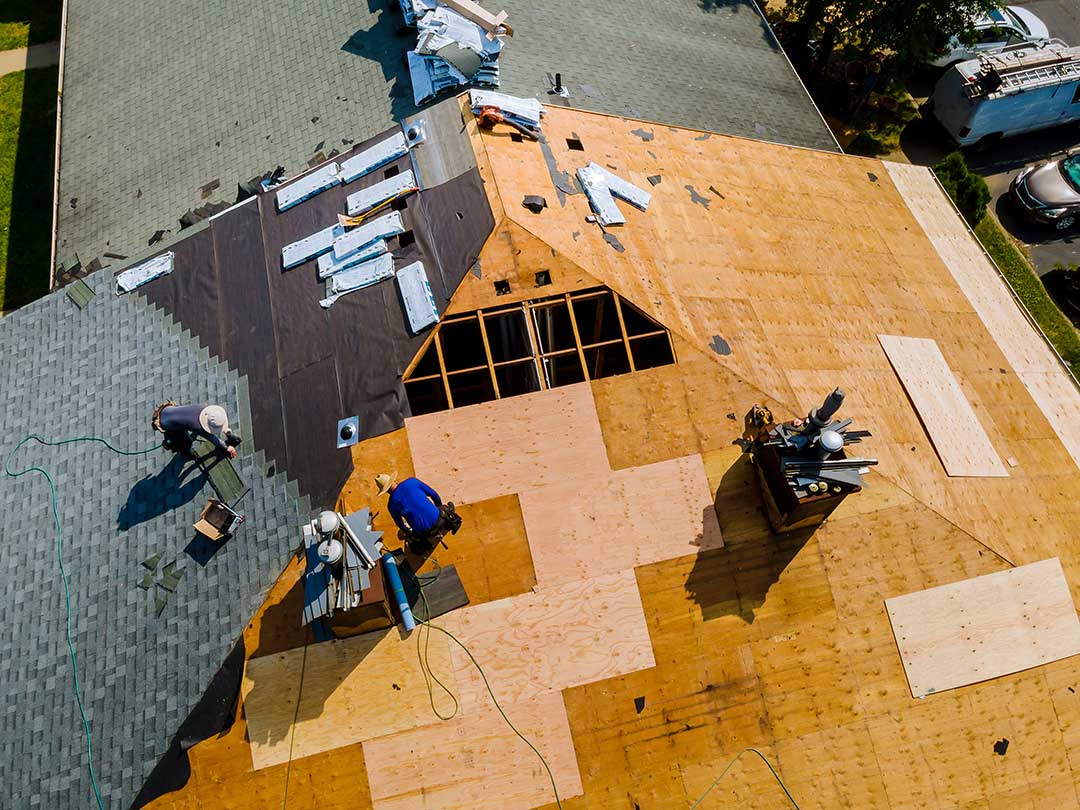
For a well-insulated home with modest air-conditioning use, the financial savings may be limited. For a home with hot upper rooms, a large dark roof, or frequent summer cooling, the comfort benefit may justify selecting a more reflective material during normal reroofing.
A cool roof should generally be considered when a roof is already being replaced, rather than treated as a reason to remove a serviceable roof prematurely.
Does roof color make a major difference?
Color matters, but color alone does not tell the whole story. Some modern roofing materials use reflective pigments that make darker colors perform better than traditional dark surfaces. Two roofs that look similar from the ground may have different solar-reflectance ratings.
A light roof can also become less reflective if it accumulates:
- Dust and pollen
- Organic debris
- Algae or biological growth
- Soot or other airborne particles
- Leaves and fine sediment
Cleaning must be approached carefully. Walking on shingles can cause damage, and pressure washing may remove protective granules or drive water beneath roofing components. The correct maintenance method depends on the material and manufacturer’s requirements.
Are cool roofs appropriate for every type of roof?
No. A roof’s slope and construction affect which cool-roof products are practical.
Low-slope roofs often use membranes, coatings, or other continuous materials. Their performance depends heavily on drainage because standing water, dirt, and debris can reduce reflectance and contribute to deterioration.
Steep-slope residential roofs may use reflective shingles, metal panels, tiles, or composite products. Appearance, neighborhood preferences, snow-shedding behavior, flashing details, and compatibility with existing underlayment all matter.
A reflective coating is not a universal solution. Applying a coating to an incompatible, damaged, wet, dirty, or poorly draining roof can conceal problems rather than solve them. Coatings also require periodic inspection and may have limitations related to temperature, adhesion, ponding water, and roof age.
What should Greene homeowners consider before choosing one?
Start with the building, not the color chart. The most useful questions include:
- Is the roof being replaced because it is worn out, or is the goal mainly to lower summer heat?
- How much insulation is in the attic?
- Is the attic properly ventilated without allowing wind-driven rain or snow intrusion?
- How much of the roof receives direct afternoon sun?
- Does the home rely mainly on air conditioning, heat pumps, gas, oil, or electric resistance heat?
- Are there finished rooms directly below the roof?
- Will snow, ice, branches, or debris affect the chosen material?
- Are local building requirements or roof-assembly rules applicable to the project?
Roof color should also be considered alongside glare, neighborhood appearance, future maintenance, and the ability of the material to shed snow and rain. Reflective roofing is only one part of an effective roof system.
What are the main benefits and limitations?
The potential benefits include lower roof temperatures, improved comfort in upper rooms, reduced cooling demand, and less heat released from large roof surfaces into the surrounding area. These effects are most valuable during sunny, warm weather.
The limitations are equally practical. Savings may be small in a well-insulated home with little air conditioning. A reflective roof does not replace ventilation or insulation, does not prevent leaks, and does not eliminate winter heating needs. Snow cover also blocks the roof surface from reflecting sunlight for periods of time.
For local households, the most balanced approach is to consider a cool-roof material during planned replacement or new construction, then compare its performance with insulation, air sealing, ventilation, durability, appearance, maintenance, and year-round heating and cooling needs.
