
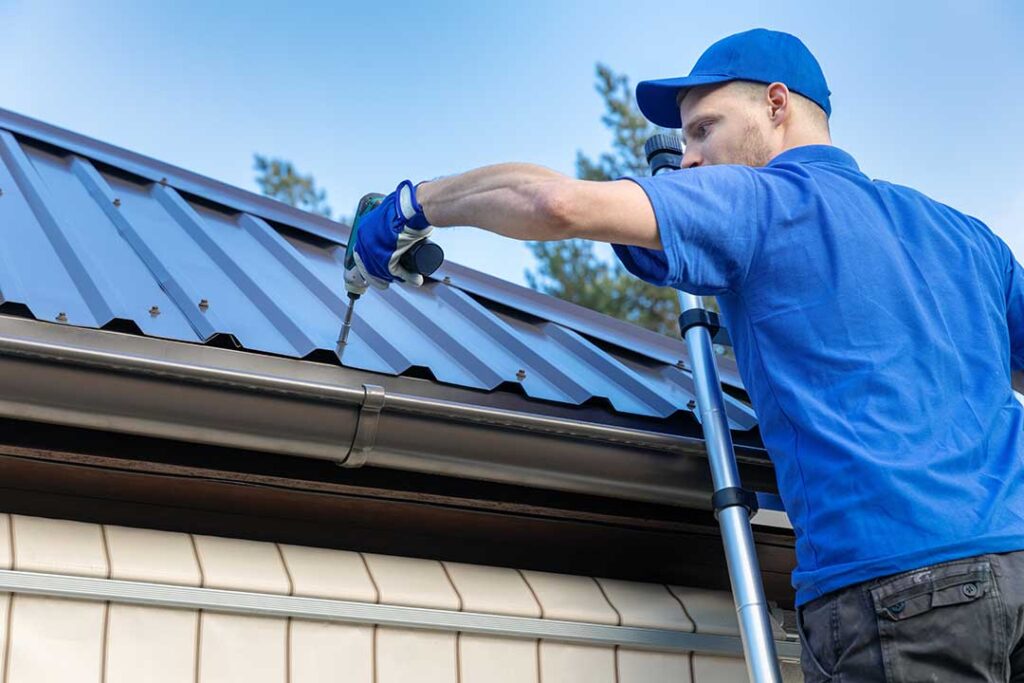
Roofing technology is changing beyond the traditional choices of asphalt shingles, metal panels, and rubber membranes. Newer systems can improve energy efficiency, manage rainwater, detect moisture, reduce ice-dam risk, and extend the useful life of a roof.
For homes in Greene, NY, the most useful innovations are those suited to cold winters, freeze-thaw cycles, heavy rain, summer heat, and the wide range of construction styles found throughout the community.
What counts as roofing technology today?
Modern roofing technology includes more than the visible roof covering. It also involves underlayment, insulation, ventilation, drainage, monitoring tools, and installation methods that affect how the entire roof assembly performs.
Examples include:
- High-performance ice-barrier membranes
- Synthetic underlayments with improved tear and water resistance
- Reflective or “cool” roofing materials
- Advanced insulation installed above or below the roof deck
- Solar roofing systems
- Green or vegetated roofs
- Moisture sensors and infrared inspection tools
- Durable coatings for low-slope roofs
- Digital measuring and roof-modeling tools
The best option depends on roof slope, framing, ventilation, drainage, exposure, age, and the condition of the existing structure. A product described as innovative is not automatically appropriate for every house.
How are newer roofs designed for winter weather?
Cold-climate roofing improvements focus on controlling water, heat loss, and ice formation. A roof can appear intact from the ground while still having weaknesses in its ventilation or water-shedding layers.
Ice dams form when heat escaping from the living space warms portions of the roof, melts snow, and allows water to refreeze near colder eaves. Better-performing roof assemblies address this through a combination of:
- Adequate attic insulation
- A continuous air barrier between the home and attic
- Proper intake and exhaust ventilation where the design allows it
- Ice-barrier membrane near eaves and vulnerable roof transitions
- Careful flashing around chimneys, walls, skylights, and roof penetrations
- Roof geometry that allows snow and water to drain safely
No single membrane or shingle eliminates ice-dam risk. The whole assembly must manage heat and moisture together. Adding insulation without correcting air leakage, or blocking ventilation with insulation, can create new problems.
Are reflective or “cool” roofs useful in Greene, NY?
Reflective roofing materials are designed to absorb less solar heat. They are especially useful on low-slope commercial buildings, additions, garages, and homes with large areas of sun-exposed roofing.
In a heating-dominated climate, the benefit is more limited than it would be in a consistently hot region. A reflective roof may reduce summer heat entering an attic, but color and reflectance should be considered alongside winter performance, insulation levels, snow retention, and the building’s heating needs.
For many homes, improved insulation and air sealing provide a more direct energy benefit than simply changing roof color. Reflective materials can still be useful, particularly on roofs with limited shade or rooms that become uncomfortably warm during summer.
What improvements are being made to shingles and metal roofing?
Shingle manufacturing has produced materials with improved wind resistance, algae resistance, impact resistance, and solar reflectance. Some products are also designed to use recycled content or reduce manufacturing waste, although environmental claims vary by product.
Metal roofing technology has also advanced. Modern panels may include concealed fasteners, protective finishes, interlocking seams, and profiles designed to manage snow shedding. Metal can provide a long service life, but installation details are critical. Fastener placement, expansion movement, flashing, underlayment, and snow guards all affect performance.
A common misconception is that a metal roof is always maintenance-free. Metal roofs still require attention to sealants, fasteners, penetrations, drainage paths, and areas where snow or ice may slide unexpectedly.
Can solar roofing work on existing homes?
Solar technology now includes both conventional solar panels and solar-integrated roof products. Standard panels are mounted above the roof and can often be serviced or replaced separately from the roof covering. Solar shingles and other integrated systems combine electricity generation with the roof surface.
Before solar equipment is added, the roof’s remaining service life matters. Installing panels over an aging roof can make future repairs more complicated and may require removing and reinstalling the equipment.
Roof angle, shading, structural capacity, snow accumulation, electrical equipment, and emergency access also need to be considered. Solar roofing is not simply a surface upgrade; it changes the roof’s loading, penetrations, maintenance, and replacement planning.
Are green roofs practical for local homes?
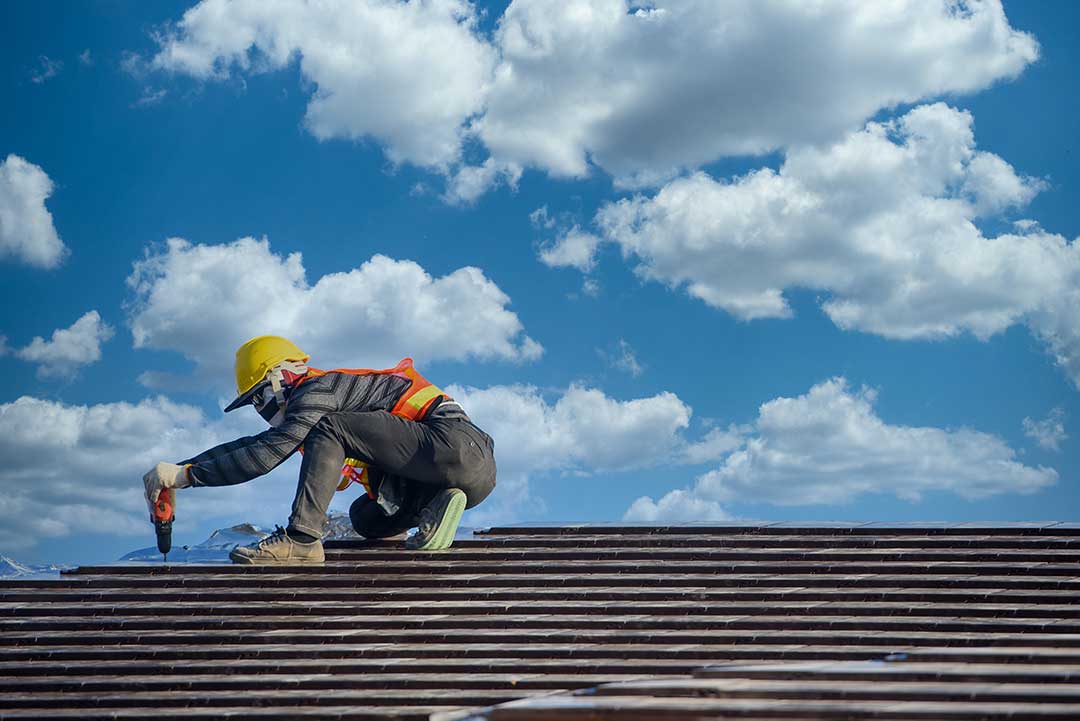
Green roofs use plants, growing media, drainage layers, root barriers, and waterproofing. They can reduce stormwater runoff and help moderate roof temperatures. However, they are more common on specially designed low-slope buildings than on typical steeply pitched houses.
A vegetated roof adds substantial weight, especially when saturated with water. The structure must be designed or evaluated for that load, and the waterproofing system must be highly reliable. Maintenance is also necessary to control unwanted growth, preserve drainage, and inspect roof edges and penetrations.
For many residential properties, rain gardens, planted drainage areas, or properly directed downspouts may provide similar stormwater benefits with fewer structural complications.
How can technology detect roof problems earlier?
Roof inspections increasingly use tools that reveal problems before they become visible indoors. Moisture meters can help identify damp materials. Infrared cameras may show temperature differences associated with wet insulation or air leakage, although readings must be interpreted carefully. Drones and digital roof measurements can document difficult-to-reach areas without requiring someone to walk every surface.
These tools support a physical inspection; they do not replace it. A thermal image can suggest moisture, but it cannot always determine whether the source is a roof leak, condensation, missing insulation, or an electrical issue. Weather conditions, time of day, roof materials, and recent rainfall affect the results.
For homeowners, the practical advantage is better documentation. Repeated images or measurements can help track changes around valleys, flashing, chimneys, skylights, and areas with recurring staining.
What should residents ask before choosing a new roofing system?
Technology should solve a building problem rather than add complexity for its own sake. Useful questions include:
- Is the roof designed for local snow, wind, rain, and freeze-thaw conditions?
- Will the new materials work with the existing roof structure?
- How will attic ventilation and insulation be handled?
- Where will water drain during heavy rain or rapid snowmelt?
- Are ice-barrier materials required or recommended for the roof design?
- Can damaged components be repaired without replacing the entire system?
- Are replacement parts and compatible materials likely to remain available?
- Will solar equipment, skylights, chimneys, or satellite hardware affect the warranty or flashing?
- Does the proposed work meet the current New York State building and energy requirements?
The most advanced roof is not necessarily the most durable. In this climate, dependable water management, sound flashing, proper ventilation, secure attachment, and accurate installation often matter more than a product’s marketing label.
Which innovations are most practical for older homes?
Older homes may benefit from targeted improvements rather than a complete change in roofing material. Air sealing at the attic floor, correcting blocked soffit vents, improving insulation, replacing deteriorated flashing, and installing modern underlayment can significantly improve performance.
Roof-mounted sensors, drone documentation, and moisture testing may also help identify hidden conditions before a reroofing project begins. These technologies are especially useful where roof layers have been added over time or where attic access is limited.
Any work involving unstable surfaces, electrical equipment, structural damage, or suspected concealed moisture creates safety concerns. Those conditions require appropriate training and compliance with applicable building requirements.
For area households, roofing innovation is most valuable when it quietly performs essential tasks: keeping water out, controlling heat flow, handling snow and rain, and making future maintenance easier to understand.
