
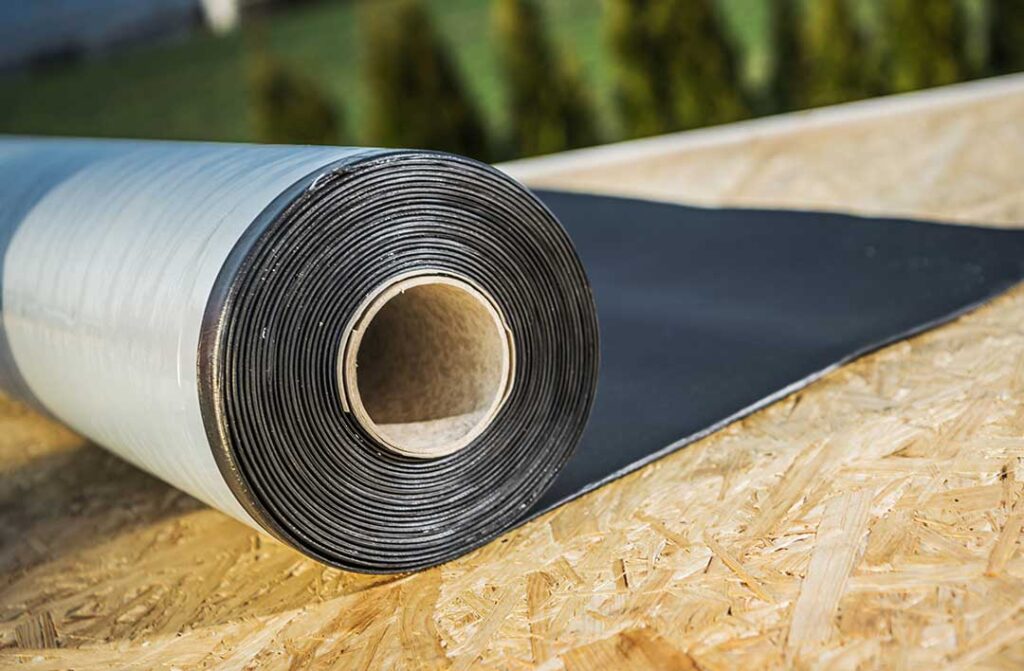
How long does a typical roof last?
A typical asphalt shingle roof lasts about 15 to 30 years, although local weather, roof design, installation quality, ventilation, and maintenance can shorten or extend that range. A roof’s age is useful, but its current condition matters more than the calendar alone.
Many homes in Greene have roofs exposed to repeated freeze-thaw cycles, snow, ice, wind, summer heat, and moisture. Those seasonal stresses can make a well-maintained roof look very different from a neglected roof of the same age.
How long do different roofing materials last?
Roofing material is one of the strongest predictors of service life. The following ranges are general expectations rather than guarantees:
- Basic asphalt shingles: approximately 15 to 25 years
- Architectural asphalt shingles: approximately 25 to 40 years
- Standing-seam or high-quality metal roofing: approximately 40 to 70 years
- Wood shingles or shakes: approximately 20 to 40 years with appropriate maintenance
- Natural slate: often 75 years or more
- Low-slope membrane roofing: commonly 20 to 35 years, depending on the membrane and drainage
Product labels sometimes advertise longer lifespans under ideal conditions. Those figures may assume moderate weather, proper installation, good attic ventilation, and regular maintenance. A roof exposed to poor drainage, heavy shade, or recurring ice buildup may not reach the advertised age.
What shortens a roof’s life?
Moisture is usually the most persistent threat. Water can enter through damaged shingles, deteriorated flashing, open seams, clogged drainage paths, or areas where roofing materials meet chimneys, walls, and roof penetrations.
Other common causes of early roof failure include:
- Repeated ice dams along the eaves
- Inadequate attic ventilation
- Insufficient insulation that allows heat to escape into the attic
- Long-term moss or algae growth
- Overhanging branches and falling limbs
- Wind damage or missing shingles
- Improperly installed flashing
- Foot traffic on brittle or aging materials
- Gutters that overflow against the roof edge
- Multiple layers of old roofing that conceal deck deterioration
Snow itself does not automatically mean a roof is failing. Roof structures are designed for expected loads, but heavy, wet snow and uneven drifting can create greater stress, particularly on older buildings or sections with unusual roof shapes. Warning signs such as sagging, cracked framing, or doors that suddenly become difficult to open should be treated as structural concerns.
How does Greene’s climate affect roof longevity?
Seasonal weather is a major factor for local homes. Winters bring freezing temperatures, snow, and ice, while spring and fall can produce repeated wetting and drying. Summer sunlight and heat also age asphalt materials, especially on roof slopes with strong southern or western exposure.
Freeze-thaw movement is especially hard on weak points. Water enters a small crack or gap, freezes, expands, and then leaves the opening slightly larger after thawing. This process can gradually damage flashing, sealants, masonry joints, and roofing edges.
Ice dams deserve particular attention. They form when heat escaping from the living space warms part of the roof, allowing snow to melt. The water can refreeze near the colder eaves and back up beneath roofing materials. Good air sealing, adequate insulation, balanced ventilation, and proper ice-barrier protection help reduce the risk, but no roof is completely immune during severe weather.
How can someone tell whether a roof is near the end of its life?
A roof approaching replacement may show several warning signs rather than one obvious failure. From the ground, look for:
- Shingles with curled, cracked, or missing edges
- Areas where the surface appears unusually thin or worn
- Bald spots where protective granules have disappeared
- Dark streaks, moss, or persistent damp areas
- Sagging lines along the roof plane or ridge
- Loose or damaged flashing around chimneys, vents, and roof intersections
- Granules collecting in gutters or at downspout outlets
- Daylight visible through the attic roof deck
- Water stains on ceilings, rafters, or insulation
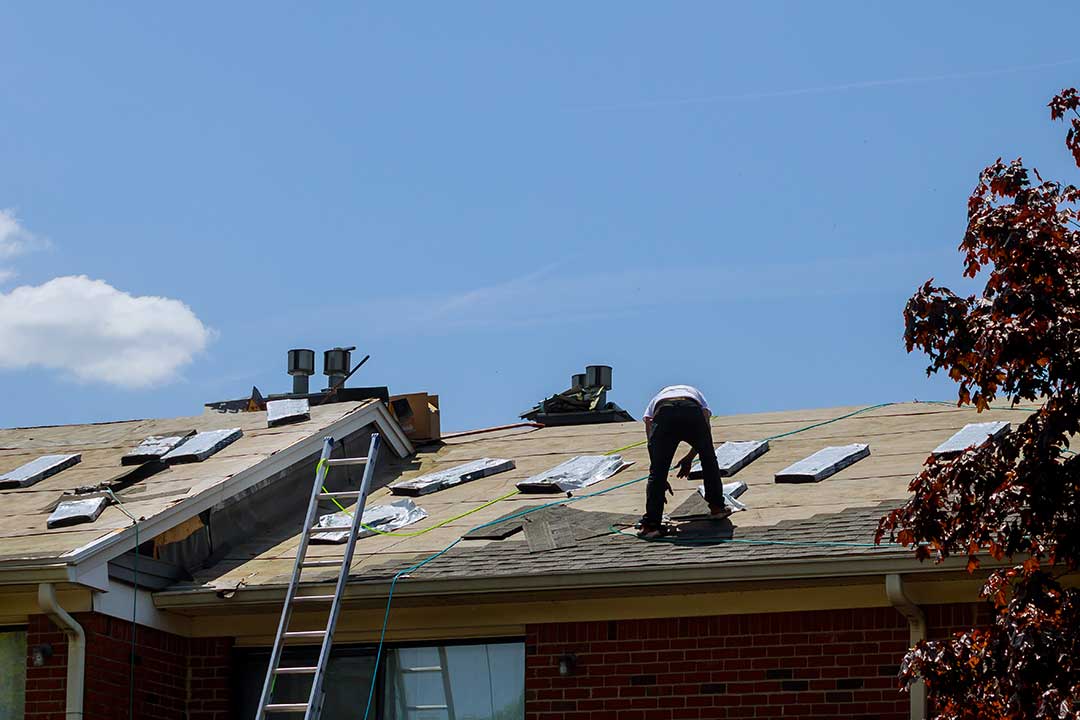
A few damaged shingles do not necessarily mean the entire roof has reached the end of its useful life. Localized repairs may be reasonable when the surrounding materials remain flexible, sealed, and in sound condition. Repairs become more difficult when shingles are brittle, the same material is no longer available, or problems are spread across multiple roof sections.
Does an older roof always need to be replaced?
No. Age alone does not determine whether a roof must be replaced. A 20-year-old roof with good ventilation, limited weather exposure, and regular maintenance may perform better than a 12-year-old roof that has suffered wind damage and chronic moisture.
Still, age changes the way problems should be interpreted. A small leak on a relatively new roof may be isolated. On an older roof with widespread granule loss, brittle shingles, and failing flashing, the same leak may indicate that several components are nearing the end of their service life.
It is also useful to distinguish the roof covering from the roof system. Shingles or metal panels are only the visible exterior layer. The complete system may include decking, underlayment, ice-barrier protection, flashing, ventilation, insulation, gutters, and structural framing. A roof can appear acceptable from the street while the decking or flashing underneath has deteriorated.
How often should a roof be checked?
A roof should be observed at least twice a year and after severe wind, hail, heavy snow, or falling branches. A visual check from the ground can identify obvious problems without creating the risks associated with climbing onto a roof.
Inside the attic, look for damp insulation, staining, musty odors, rusted fasteners, or daylight around penetrations. After rain, check ceilings and upper walls for new discoloration. These signs do not always reveal the exact entry point because water can travel along rafters or roof decking before appearing indoors.
Trees should be kept from rubbing against roofing materials, and gutters should be cleared so water can drain away from the roof edge. Moss should not be scraped aggressively because that can remove protective granules and damage shingles.
Can maintenance add years to a roof?
Maintenance cannot turn an old roof into a new one, but it can prevent small defects from becoming major water damage. Keeping drainage paths clear, correcting ventilation problems, replacing damaged flashing, and addressing minor leaks promptly may preserve the remaining service life.
Roof cleaning requires caution. Pressure washing can remove granules, loosen shingles, and force water beneath the roof covering. Any cleaning method should be appropriate for the specific material and performed without damaging the surface.
What is the practical answer for a Greene homeowner?
For many houses, a reasonable planning estimate is 15 to 30 years for standard asphalt shingles and 25 to 40 years for architectural shingles. Local weather and roof condition can move that estimate in either direction.
A roof that is near the upper end of its expected lifespan deserves closer observation, especially after winter. A roof with widespread wear, recurring leaks, sagging, or damaged decking may require more than a simple patch. The most reliable assessment considers the material, installation history, attic conditions, flashing, drainage, and evidence of past water entry together.
