
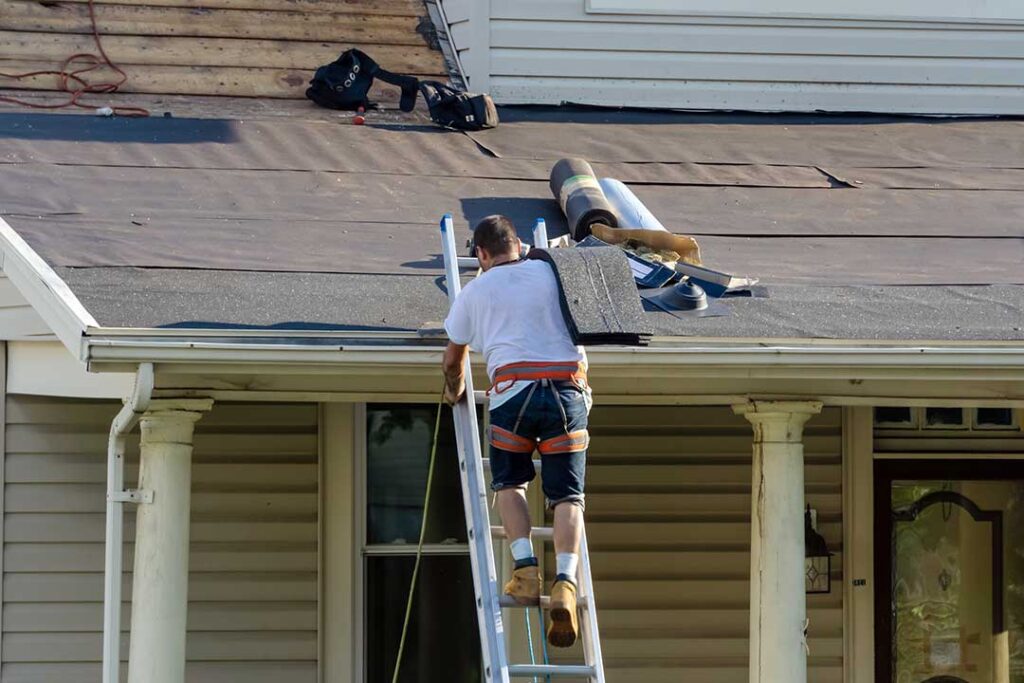
How long can a roof last with regular care?
A roof can often last for decades when moisture, debris, ventilation problems, and small defects are addressed before they become widespread damage. The exact lifespan depends on the roofing material, installation quality, attic conditions, weather exposure, and maintenance history.
For homes in Greene, NY, seasonal changes can place repeated stress on roofing systems. Snow, ice, spring rain, summer heat, falling leaves, and freeze-thaw cycles can all affect shingles, flashing, gutters, and roof drainage. Extending roof life is less about one major action and more about consistent observation and timely upkeep.
Which roof inspections are most useful?
A basic roof check twice a year is a practical routine: once in spring and again in early fall. An additional inspection after severe wind, heavy snowfall, or an ice event can help identify damage that is not visible from the ground.
Look for:
- Missing, cracked, curled, or loose shingles
- Exposed fasteners or lifted flashing
- Dark areas that may indicate trapped moisture or algae growth
- Sagging roof sections
- Damaged vent pipes, skylight edges, or chimney flashing
- Granules collecting in gutters or at the base of downspouts
- Moss or plant growth holding moisture against the roof surface
A ground-level inspection is safer for most homeowners. Binoculars can help reveal lifted shingles or gaps without requiring anyone to climb onto the roof. Walking on shingles can cause damage, especially when the surface is brittle, wet, icy, or unusually hot.
Why should small roof problems be repaired quickly?
A minor roof defect can allow water to travel beneath shingles and into roof decking, insulation, wall cavities, or ceilings. The visible stain inside a home may be far from the original entry point.
Prompt attention is especially useful when a problem involves:
- A missing shingle after wind
- A small puncture or tear
- Loose or damaged flashing
- A sagging gutter pulling away from the roof edge
- Water marks in an attic or upper-floor ceiling
- Drips that appear only during rain or thawing
A roof does not always leak continuously. Water may enter during wind-driven rain, snowmelt, or a particular wind direction. Waiting for a large interior stain can allow hidden deterioration to spread.
Temporary coverings may reduce immediate water entry, but they are not a permanent repair. Wet insulation, stained wood, and recurring leaks should be assessed promptly, particularly if electrical components are nearby.
How do gutters and downspouts protect a roof?
Gutters help move water away from the roof edge, exterior walls, foundation, and surrounding soil. Clogged or poorly draining gutters can cause water to back up under roof edges, soak fascia boards, and contribute to ice formation during freezing weather.
Gutters should be cleared regularly, especially after leaves fall and following major storms. Downspouts should discharge water far enough away from the foundation to prevent repeated saturation near the basement or crawl space.
Check that:
- Gutters are securely fastened and do not sag
- Water flows toward downspouts rather than pooling
- Downspouts are not blocked
- Extensions do not discharge directly against the foundation
- Roof edges are not hidden by heavy debris or plant growth
Cleaning from a stable ladder involves fall risks. Ice, wet leaves, and unstable ground make gutter work particularly hazardous.
Can attic ventilation extend roof life?
Yes. Balanced attic ventilation can help control heat and moisture, both of which affect roofing materials and the structure beneath them.
During winter, warm indoor air can move into the attic through gaps around light fixtures, plumbing openings, attic hatches, and ductwork. If that air meets a cold roof surface, condensation may form. During summer, excessive attic heat can accelerate aging of some roofing materials and increase indoor cooling demands.
A properly functioning attic generally needs:
- Air-sealing between the living space and attic
- Adequate intake ventilation near the roof edge
- Exhaust ventilation near the upper roof area
- Insulation that does not block intended airflow
- A dry environment without persistent condensation
More ventilation is not automatically better. Adding an exhaust vent without enough intake airflow may not solve the problem. Bathroom and kitchen exhaust fans should discharge outdoors rather than into the attic.
How should snow and ice be handled?
Snow does not automatically mean a roof is failing, but heavy, uneven accumulation can increase structural stress. Ice dams can also form when heat escapes into the attic, melts snow on the upper roof, and refreezes near colder eaves.
Avoid chopping ice with sharp tools, which can damage shingles and waterproof layers. Also avoid standing on an icy roof or using unsafe ladders in winter conditions.
Warning signs include:
- Large ice buildup along the eaves
- Icicles accompanied by interior moisture
- Water stains near exterior walls or ceilings
- Doors or windows sticking after heavy snow
- Visible sagging in roof lines
The most lasting solution to recurring ice dams usually involves improving attic insulation, air sealing, ventilation, and drainage conditions rather than repeatedly removing ice from the roof surface.
What should homeowners avoid doing?
Several common habits can shorten roof life:
- Pressure-washing shingles, which can strip protective granules
- Using harsh chemicals without confirming material compatibility
- Placing ladders directly against gutters
- Allowing branches to rub against the roof
- Ignoring moss that keeps shingles damp
- Installing new roofing over damaged or wet materials without proper evaluation
- Sealing every roof vent in an attempt to stop drafts
- Treating interior ceiling stains without finding the source of moisture
Trees near a home should be monitored for dead limbs, weak branches, and excessive overhang. Branches can scrape roofing surfaces, drop debris into gutters, and provide a path for animals to reach roof edges.
When does a roof need more than maintenance?
Maintenance can extend the useful life of a roof, but it cannot reverse widespread deterioration. Replacement or extensive repair may be necessary when shingles are failing across large areas, the roof deck is soft, the structure is sagging, or leaks continue after isolated defects have been addressed.
Age alone does not determine roof condition. A well-maintained roof may perform beyond its expected service period, while a newer roof exposed to poor ventilation, storm damage, or installation problems may deteriorate sooner.
A qualified roof evaluation is warranted when there is suspected structural damage, active leaking, widespread storm damage, unsafe access, or uncertainty about whether the roof can safely support snow. Safety and building-code requirements matter, particularly when repairs involve structural components, ventilation changes, insulation, or electrical work.
Keeping records of inspections, leaks, repairs, and severe weather events can make future decisions easier. A simple maintenance history also helps distinguish isolated damage from a pattern related to drainage, ventilation, or aging materials.
What is the most practical roof-care routine?
A dependable routine includes seasonal visual inspections, clean gutters, clear drainage paths, trimmed problem branches, dry attic conditions, and prompt attention to small defects. These steps help protect not only shingles but also roof decking, insulation, exterior walls, and the foundation.
For area households, the most useful timing is often before winter, after the spring thaw, and following major storms. Consistent care cannot prevent every roofing problem, but it can reduce avoidable damage and give homeowners more time to plan when major work eventually becomes necessary.
