
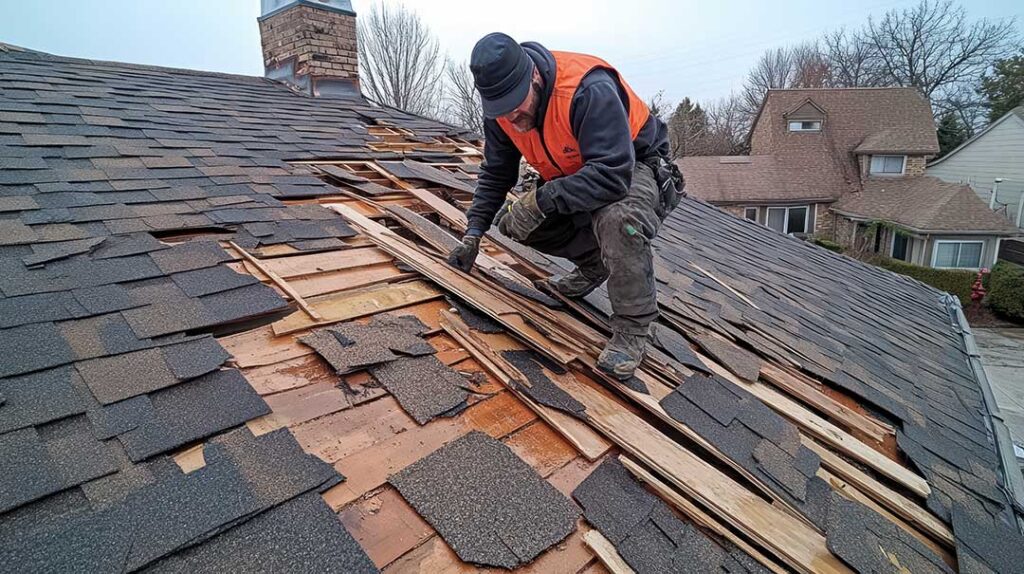
Walking on a roof is risky for both the person and the roofing materials. A roof can look sturdy from the ground while hiding weak decking, loose shingles, slippery algae, or concealed damage. In Greene, NY, changing weather, winter moisture, spring thaw, and wind can make roof surfaces especially unpredictable.
The safest approach is to avoid climbing onto a roof unless the task truly requires it. Many inspections can be performed from the ground, attic, or a properly positioned ladder. If roof access is necessary, preparation and restraint matter more than speed.
Is it safe for a homeowner to walk on a roof?
Sometimes, but not every roof is suitable for walking. A person should not walk on a roof covered with snow, frost, ice, standing water, loose debris, or heavy algae growth. Roofs with steep slopes, fragile materials, visible sagging, or storm damage should also be treated as unsafe.
Before climbing, consider:
- The roof pitch and walking distance
- The age and condition of the shingles or panels
- Whether the roof is wet, icy, or windy
- The condition of the ladder and roof edges
- Whether another adult is present
- Whether fall-protection equipment is available and properly used
A low-slope roof with sound materials may be easier to navigate than a steep roof, but low slope does not mean low risk. A fall from even a single-story roof can cause serious injuries.
What should be checked before stepping onto the roof?
Inspect the roof from the ground first. Look for missing or lifted shingles, sagging areas, exposed underlayment, damaged flashing, broken branches, and debris. Binoculars can help reveal problems without requiring a climb.
Check the weather and surface conditions. A roof may remain slippery after rain, even if it appears mostly dry. Morning frost can be difficult to see from the ground. In colder months, melting snow may refreeze near eaves, valleys, and shaded sections.
Do not climb during:
- Rain, snow, freezing temperatures, or strong wind
- Early morning frost or evening dampness
- Active thunderstorms
- High heat that makes roofing materials soft
- Conditions where visibility is poor
Avoid working alone. Someone on the ground should know where the person is, have access to a phone, and be able to summon emergency help if necessary.
How should a ladder be set up?
A ladder should stand on firm, level ground and rest against a structurally sound part of the roof or building. It should not be placed on loose soil, wet leaves, ice, or uneven paving.
For a leaning ladder, the base should be positioned far enough from the wall to create a stable angle rather than standing nearly vertical or leaning too far outward. The ladder should extend above the roof edge enough to provide a secure handhold while stepping onto or off the roof.
Before use, check for:
- Cracked rails or bent rungs
- Missing feet or worn anti-slip pads
- Dirt, oil, mud, or ice on the rungs
- Overhead electrical hazards
- Doors, vehicles, or other objects that could move the ladder
Keep both hands available while climbing. Tools should be carried in a belt or raised after the ladder has been secured. Never carry bulky materials while climbing.
Where should a person step?
If roof access is unavoidable, step where the roof is most likely to be supported. On many shingle roofs, the safest foot placement is over the lower portions of the shingles where the underlying roof framing provides support. Avoid stepping on exposed edges, loose tabs, valleys, ridges, skylights, and areas that look discolored or depressed.
Do not step directly on:
- Damaged or missing shingles
- Plastic or acrylic skylights
- Roof vents or other penetrations
- Metal flashing
- Gutters and gutter guards
- Areas softened by heat or moisture
- Snow, ice, moss, or algae
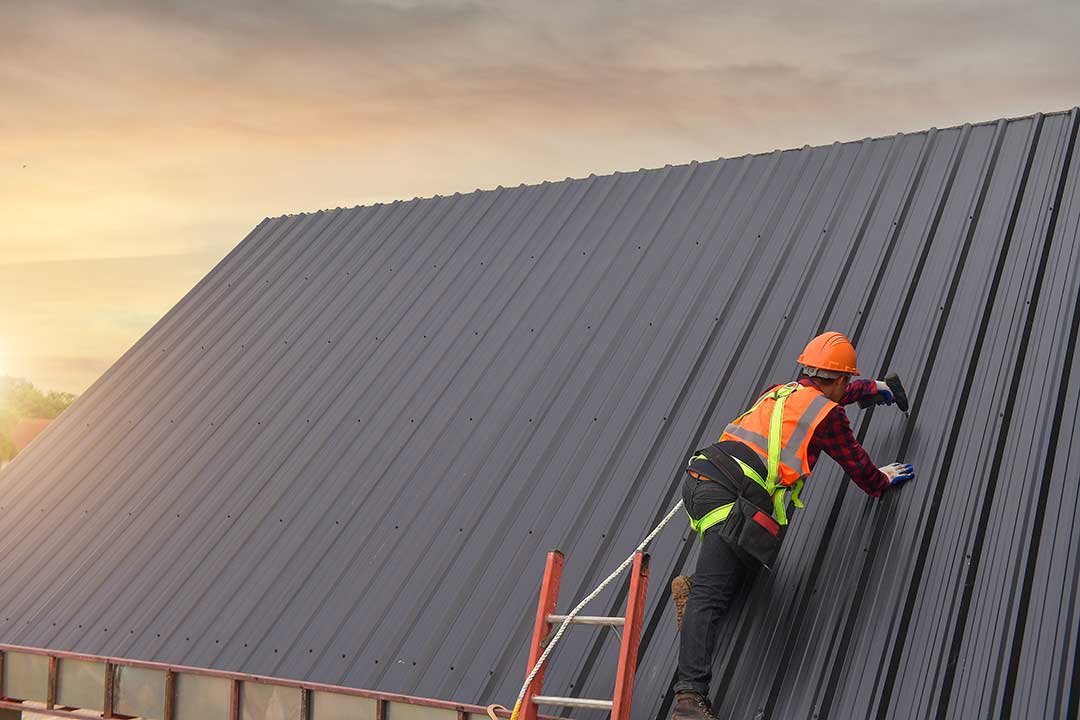
Move slowly and deliberately. Keep the body facing the slope when possible, maintain three points of contact, and avoid sudden turns. Shuffling carefully is generally more stable than taking long strides.
A roof is not a normal walking surface. Even a small amount of granule loss can reduce traction, and asphalt shingles can become brittle after years of weather exposure.
How can roof damage be avoided?
Foot traffic can damage roofing even when no immediate break is visible. Shingles may lose protective granules, crack at the edges, or develop weak spots around fasteners. Repeated pressure can also disturb flashing and sealants.
Use soft-soled, slip-resistant footwear that is clean and free of mud. Hard work boots with aggressive soles may leave marks or catch shingle edges. Do not drag feet, twist sharply, or kneel directly on exposed shingles.
Keep weight distributed rather than concentrating it on one foot. Step across the middle of intact shingle areas instead of on the corners or unsupported edges. If an inspection requires frequent movement, a properly designed roof walkway or fall-protection system may be safer than ordinary foot traffic.
Never throw tools onto the roof. They can damage shingles, slide toward an edge, or create a trip hazard.
Are metal roofs, slate roofs, and older roofs safe to walk on?
Many metal roofs are slick even when dry, and some panels can dent under foot pressure. Standing-seam metal roofing may have concealed seams or weak areas that are not obvious from above.
Slate, clay, and some older specialty materials can crack easily. Walking on them requires specific techniques and equipment, and an incorrect step may damage several adjacent pieces. Old asphalt shingles may also break or shed granules more readily than newer materials.
Roof age matters, but appearance is not enough to determine strength. The roof deck beneath the covering may have water damage or rot that cannot be seen from the surface. Sagging, soft spots, or unusual movement are reasons to leave the roof immediately.
What about snow and ice in Greene, NY?
Snow and ice should be treated as serious fall hazards, not minor inconveniences. Snow can conceal roof edges, skylights, weak decking, and uneven surfaces. Ice may form beneath a thin layer of snow or near shaded eaves where melting water refreezes.
Do not walk on a snow-covered roof to clear it with a shovel. The added weight of a person, the unstable surface, and the possibility of sliding over the edge create significant danger. Long-handled roof rakes can sometimes remove loose snow from the ground, but they must be used carefully to avoid damaging shingles, gutters, siding, or overhead lines.
Heavy snow loads, sagging ceilings, unusual cracking sounds, and interior water stains require prompt attention from a qualified roofing or structural professional. People should stay clear of areas where roof snow or ice may slide unexpectedly.
When should roof access be avoided entirely?
Stay off the roof if there has been a recent storm, fire, fallen tree, or suspected structural damage. Wind may loosen materials that can shift underfoot, while fire and water damage can weaken the roof deck.
Avoid climbing if the roof edge lacks a secure ladder setup, if fall-protection equipment is unavailable for the conditions, or if the person is uncomfortable with heights. Medication, fatigue, alcohol, balance problems, and poor vision can increase the chance of a serious mistake.
A ground-level inspection, attic inspection, camera pole, or binocular check is often sufficient for basic observations. If a close inspection is necessary and the roof presents a fall or structural hazard, qualified assistance is warranted because the risk cannot be reduced by careful stepping alone.
What is the safest general rule?
The safest rule is simple: do not walk on a roof unless there is a clear need, suitable equipment, stable weather, and a safe way to prevent a fall. Never trade a minor inspection convenience for the possibility of injury or concealed roof damage.
For households in Greene, seasonal moisture, freeze-thaw cycles, wind, and snow can change roof conditions quickly. A surface that was walkable in dry summer weather may be hazardous after one cold night or passing storm.
