
What helps a roof last longer?
A roof usually reaches its expected service life when water is directed away, ventilation is balanced, small defects are repaired promptly, and damaging conditions are not ignored. In Greene, NY, seasonal weather makes routine care especially valuable because roofs may face snow, ice, freeze-thaw cycles, wind, heavy rain, and summer heat within the same year.
Roof longevity is less about a single treatment and more about preventing minor problems from becoming structural damage. A small opening around flashing, a blocked gutter, or damp attic insulation can gradually affect roof decking, framing, insulation, and interior ceilings.
How often should a roof be inspected?
Most homes benefit from a basic roof and attic check twice a year: once in spring and again in fall. An additional inspection is sensible after unusually strong wind, heavy rain, falling branches, or a significant snow and ice event.
A ground-level inspection can identify many warning signs without requiring anyone to walk on the roof. Look for:
- Missing, cracked, curled, or lifted shingles
- Dark areas that may indicate moisture or algae growth
- Loose or damaged flashing around chimneys, walls, vents, and skylights
- Sagging rooflines or gutters pulling away from the house
- Granules collecting in downspouts or at the base of the building
- Damp spots, staining, or musty odors in the attic
Walking on a roof can damage aging shingles and creates a fall hazard, especially when the surface is wet, icy, steep, or covered with moss. Roof access should be limited when safe inspection from the ground or attic is not possible.
Why do gutters and downspouts affect roof life?
Gutters protect the roof edge and exterior walls by carrying water away from the building. When leaves, twigs, ice, or sediment block the drainage path, water can back up under roofing materials or spill onto fascia boards, siding, windows, and foundations.
Clean gutters at least during the main fall leaf season and check them again in spring. Homes surrounded by mature trees may need more frequent attention. Downspouts should discharge far enough away from the foundation to prevent water from collecting beside the house.
Also check whether gutters are sagging or holding standing water. Persistent pooling often means the slope or support needs correction. Do not rely on gutter cleaning alone if water continues to overflow during ordinary rainfall.
How can attic ventilation and insulation prevent roof damage?
A properly managed attic helps keep roof temperatures more consistent and limits condensation. Warm, moist indoor air can enter the attic through gaps around light fixtures, plumbing penetrations, ductwork, attic hatches, and electrical openings. If that air reaches cold roof surfaces, it may condense and dampen insulation or wood framing.
Balanced ventilation commonly includes intake openings near the eaves and exhaust openings near the roof peak or upper roof areas. Insulation should not block required airflow channels at the eaves. Adding vents without addressing air leakage or blocked intake paths may not solve the underlying problem.
Signs of attic moisture include:
- Frost on the underside of the roof sheathing during cold weather
- Rusted nails or metal fasteners
- Damp insulation
- Water stains that appear without an obvious roof puncture
- Mold-like discoloration or persistent musty odors
Roof leaks should be addressed before adding insulation. Covering a moisture problem can make the source harder to find and may allow wood deterioration to continue unnoticed.
What can be done about ice dams?
Ice dams form when heat escaping into the attic warms part of the roof, causing snow to melt. The water then refreezes near the colder eaves, where it can accumulate and force water beneath roofing materials.
The most reliable prevention focuses on keeping the roof surface more uniform in temperature. That requires proper attic air sealing, adequate insulation, and unobstructed ventilation. Removing snow from the roof may reduce the immediate load during a major storm, but it does not correct the cause of recurring ice dams.
Avoid chopping ice with tools or applying corrosive materials to roofing and gutters. These actions can damage shingles, membranes, metal components, and nearby landscaping. Roof edges are also especially dangerous during winter conditions because falling ice can cause serious injury.
New York residential construction requirements address ice-barrier protection in areas with a history of ice forming along eaves. Existing roofs may not meet current construction standards, so recurring ice dams should be treated as a building-envelope concern rather than only a winter maintenance issue.
How should roof penetrations and flashing be maintained?
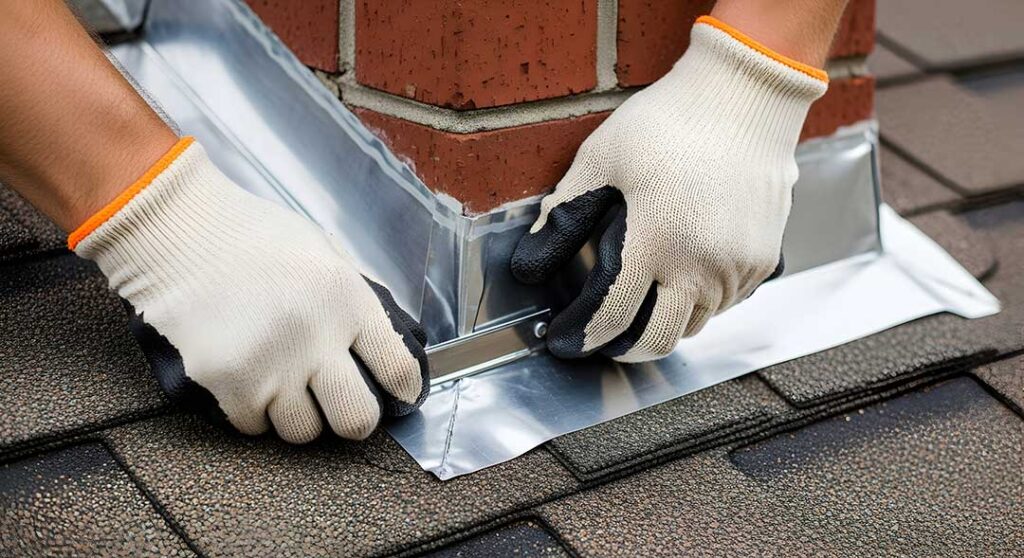
Water often enters at transitions and penetrations rather than through the middle of an intact shingle field. Flashing around chimneys, vent pipes, sidewalls, valleys, skylights, and roof edges deserves close attention.
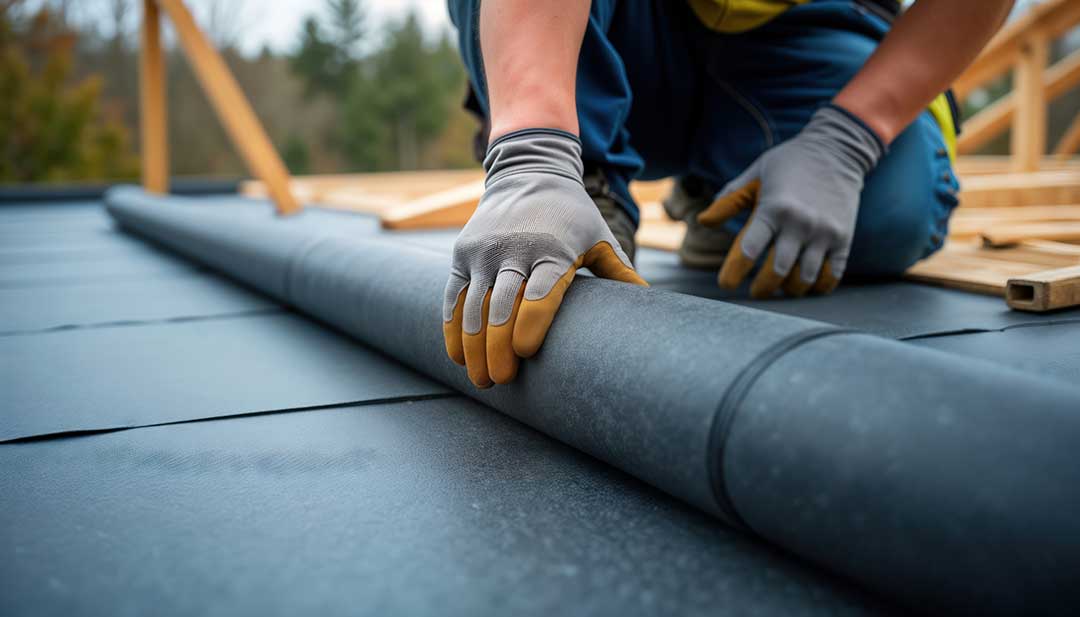
Look for cracked sealant, exposed fasteners, lifted metal, rust, gaps, or pieces that have shifted after wind. Sealant is not a permanent substitute for correctly installed flashing. Applying new caulk over deteriorated materials may hide the symptom while leaving the water path unchanged.
Do not attach decorations, antennas, satellite equipment, or other items by creating unnecessary holes in roofing materials. Any roof penetration should be planned carefully so water is directed around it and the surrounding materials remain properly supported.
Does moss or algae shorten roof life?
Moss can retain moisture and may lift or separate roofing materials as it grows. Algae staining is usually less physically aggressive, but heavy growth can signal persistent shade or dampness. Roofs beneath overhanging branches often dry more slowly and collect more organic debris.
Trim branches that rub against the roof or deposit large amounts of leaves. Keep in mind that cutting vegetation should not destabilize trees or create a separate safety hazard. Moss should not be scraped aggressively from shingles, since the action can remove protective granules and damage the surface.
Improving sunlight and airflow may help reduce recurring growth. Any cleaning method should be compatible with the roofing material and should not send concentrated runoff onto siding, gardens, or nearby surfaces.
When is a roof repair urgent?
Some conditions should not wait for a routine maintenance cycle. Prompt attention is warranted when there is active leaking, a sagging roof deck, exposed underlayment, large areas of missing roofing, damaged flashing, or water near electrical fixtures.
After a storm, place containers under interior drips and move belongings away from the affected area. Avoid climbing onto the roof or entering an attic where the ceiling, decking, or framing appears unstable. If a ceiling is bulging from trapped water, keep clear of the area and address the leak safely.
Interior stains should not be dismissed simply because they dry out. A roof can leak intermittently, especially around valleys, flashing, and ice-dam areas. Repeated staining often means moisture is reaching the building assembly even when no water is visible during a particular inspection.
Which maintenance habits provide the most benefit?
A simple record can extend the useful life of a roof by making changes easier to track. Note the roof’s approximate age, past repairs, areas that collect debris, locations of attic stains, and dates of major weather events.
The most useful habits include:
- Keep gutters and downspouts clear
- Inspect after severe weather
- Maintain attic insulation and ventilation
- Keep branches from rubbing against roofing
- Repair damaged flashing and exposed roofing promptly
- Watch for interior moisture and attic condensation
- Avoid unnecessary foot traffic on the roof
- Follow the roofing material’s maintenance requirements
A roof does not need to look new to be performing well. The goal is to keep water out, allow the roof assembly to dry, reduce avoidable stress, and identify defects before they spread into the structure of the home.
