
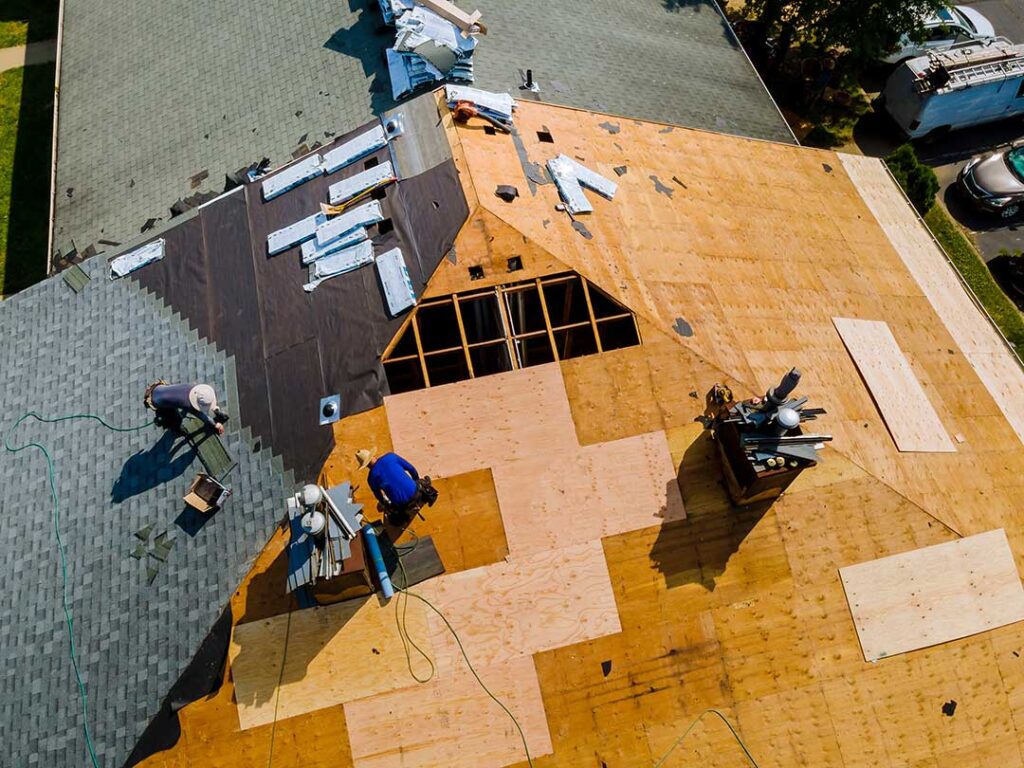
What Makes a Roofing Material Durable?
The most durable roofing material is not always the one with the longest advertised lifespan. Long-term performance depends on how well the material handles moisture, freeze-thaw cycles, wind, snow, ice, sunlight, roof pitch, ventilation, and installation quality.
For homes in Greene, NY, durability also depends on how a roof responds to changing seasons. Winter snow and ice, spring moisture, summer heat, falling branches, and autumn debris can all affect the roof assembly. A material that performs well in one climate may not be the most practical choice for a home in a cold, wet region.
Durability should be judged by several factors:
- Expected service life
- Resistance to wind, impact, moisture, and fire
- Ability to tolerate temperature changes
- Weight and compatibility with the roof structure
- Maintenance requirements
- Quality of underlayment, flashing, ventilation, and installation
A strong roofing material can still fail early if water is allowed to collect, flashing is poorly installed, or the roof deck is already deteriorated.
Which Roofing Materials Last the Longest?
Natural slate, properly installed metal roofing, clay or concrete tile, and high-quality synthetic slate are generally among the longest-lasting roofing options. Asphalt shingles are more affordable and widely used, but their service life is usually shorter.
Natural slate
Natural slate can last 75 to 150 years or longer when the stone, fasteners, roof structure, and installation are suitable. It resists fire, rot, insects, and ultraviolet damage.
Its main limitation is weight. Some homes require structural evaluation before slate is installed or replaced. Slate can also crack if walked on incorrectly, and repairs may require matching a particular size, thickness, and color.
For older homes, slate can be an excellent long-term material if the roof framing and supporting walls can handle the load.
Metal roofing
Metal roofing can last approximately 40 to 70 years, depending on the metal type, coating, design, and maintenance. Steel, aluminum, copper, and zinc each have different characteristics.
Metal performs well against fire, rot, insects, and many forms of weather exposure. Properly fastened panels can also provide strong wind resistance. Snow may slide more readily from a smooth metal roof, which can be useful but may also create a hazard near doors, walkways, or lower roof sections. Snow guards may be appropriate in some designs.
Metal roofing is not maintenance-free. Fasteners, seams, penetrations, coatings, and areas where dissimilar metals meet should be monitored. Expansion and contraction can also expose weaknesses in poorly designed systems.
Clay and concrete tile
Clay and concrete tile may last 50 years or more, with clay often lasting longer under suitable conditions. Both materials resist fire, insects, and sunlight better than many organic roofing products.
The primary concern in a cold-weather area is that water absorbed into a damaged or poorly installed tile may freeze and expand. Individual tiles can also break from impact or improper foot traffic. Like slate, tile is heavy and may require structural review.
Tile is usually more common on certain architectural styles than on typical wood-framed houses, but it can be durable when the roof structure, slope, drainage, and underlayment are appropriate.
Synthetic slate and composite roofing
Synthetic slate and composite roofing products are designed to resemble natural slate or other traditional materials while reducing weight. Many products have expected service lives of 40 to 75 years, although performance varies considerably by formulation and manufacturer.
These materials may be useful where a homeowner wants a slate-like appearance without the full weight of natural stone. Their durability depends on resistance to ultraviolet exposure, impact, temperature changes, and brittleness over time. Product documentation should be reviewed carefully rather than relying only on appearance or a general lifespan claim.
Are Asphalt Shingles Durable Enough for Local Homes?
Yes. Architectural asphalt shingles can provide dependable performance for many homes, especially when the roof has good drainage, proper ventilation, quality underlayment, and careful installation.
Standard three-tab shingles often have a shorter service life, commonly around 15 to 25 years. Architectural shingles may last approximately 25 to 40 years, depending on exposure and product quality. Impact-resistant versions may offer improved resistance to hail and falling debris, though they are not immune to damage.
Asphalt shingles are lighter and easier to repair than slate, tile, or some metal systems. They are also more compatible with the roof structures found on many existing homes. Their weaknesses include gradual loss of granules, curling, cracking, algae growth, and accelerated aging from poor attic ventilation or repeated moisture exposure.
A longer warranty does not necessarily mean the roof will last that long. Warranties often depend on installation requirements, ventilation, maintenance, and exclusions for weather events.
What Roofing Material Handles Snow and Ice Best?
No roofing material eliminates snow and ice problems by itself. Roof slope, insulation, air sealing, ventilation, flashing, and drainage are equally important.
In Greene, NY, a durable roof should be designed as a complete system for winter conditions. Ice dams can form when heat escapes into the attic and melts snow on the warmer upper roof. The water may then refreeze near colder eaves and back up beneath the roof covering.
Important protective features include:
- An appropriate ice-barrier membrane at vulnerable roof edges
- Properly installed flashing around chimneys, walls, skylights, and roof valleys
- Adequate attic insulation and ventilation
- Gutters and downspouts that can carry melted snow and rain
- Fasteners and attachment methods suited to the roof material
- Safe planning for areas where sliding snow may fall
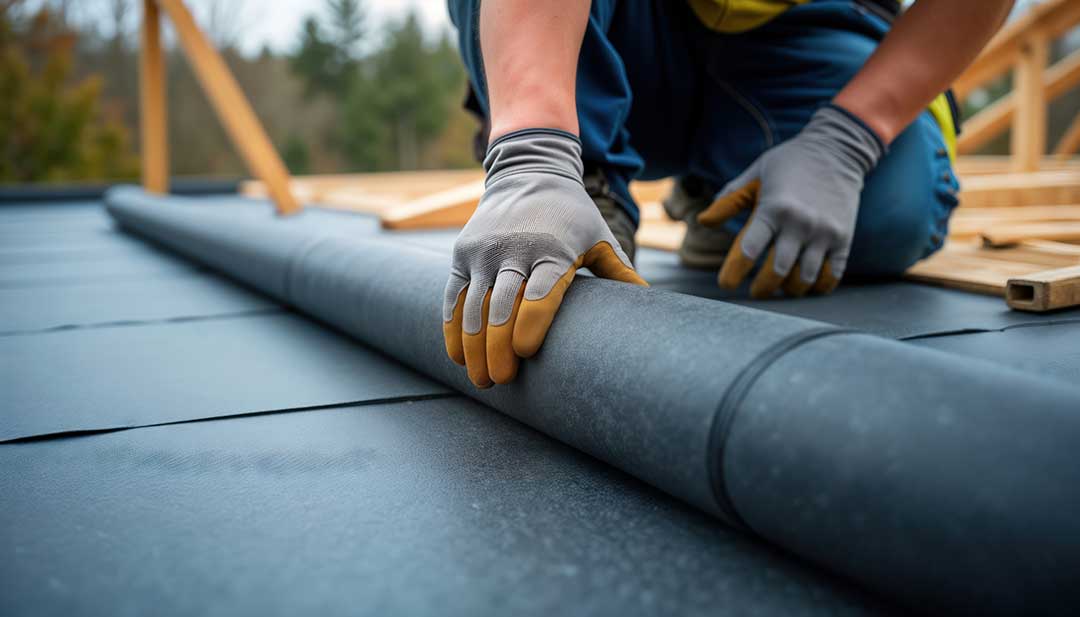
Metal, slate, tile, and asphalt can all perform through winter when these details are handled correctly. A poor roof assembly can leak regardless of the material on top.
Is a Heavy Roof More Durable?
Not necessarily. Heavy materials can be durable, but durability and weight are separate issues.
Slate, clay tile, and concrete tile place more demand on roof framing than asphalt shingles or many metal systems. A roof that was originally built for lightweight shingles may not be suitable for a heavier replacement without structural changes.
Adding a second roof layer can also increase dead load and hide deck damage. Before choosing a heavier material, the condition and capacity of the roof structure should be considered, particularly on older homes, additions, garages, and buildings that have experienced water damage.
Which Material Offers the Best Balance of Lifespan and Cost?
For many households, architectural asphalt shingles provide the most practical balance of initial cost, availability, repairability, and expected service life. Metal roofing may cost more initially but can offer a longer service period and strong resistance to fire and weather.
Slate and tile can provide exceptional longevity, but their cost, weight, specialized repair needs, and structural requirements make them less suitable for every home. Synthetic products may offer a middle ground, but their long-term performance should be evaluated using independent testing, installation requirements, and documented product history.
The most sensible choice depends on the existing roof structure, roof pitch, budget, appearance, maintenance expectations, and plans for the property.
What Matters More Than the Roofing Material?
The roof covering is only one part of the system. Flashing and underlayment often determine whether a roof remains watertight at its most vulnerable locations.
A durable roof should include:
- A sound, properly fastened roof deck
- Correct underlayment for the roof covering
- Reliable edge metal and valley construction
- Proper flashing at all penetrations
- Adequate attic ventilation without allowing wind-driven rain or snow inside
- Correct fastener placement and compatible materials
- Drainage that moves water away from the structure
Regular visual checks can identify missing shingles, exposed fasteners, lifted metal seams, cracked tiles, rust, damaged flashing, or sagging areas. Roof surfaces should not be walked on casually, especially when slate, tile, steep slopes, or wet conditions are involved.
For homes and accessory buildings in the area, the best long-term roofing decision is usually the material that fits the structure and the climate—not simply the product with the highest advertised lifespan.
