
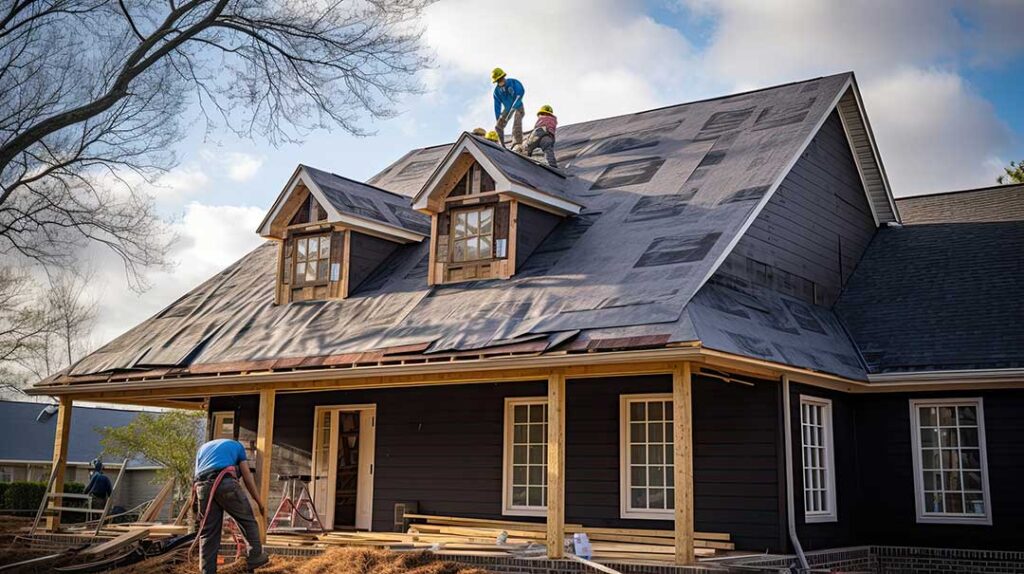
A baseball, soccer ball, or basketball may seem too light to cause serious roof damage. In practice, repeated impacts can crack shingles, loosen protective granules, damage flashing, and create openings where water can enter. The risk is higher when a ball is thrown or kicked from close range, strikes a roof edge, or lands on an already weathered surface.
For households in Greene, NY, roof damage from sports balls is most likely around homes with nearby play areas, sloped yards, shared outdoor spaces, or roof sections that sit beside driveways and backyards. Seasonal weather can make a minor impact harder to detect because wind, rain, ice, and freeze-thaw cycles may enlarge a small defect over time.
Which sports balls are most likely to damage a roof?
Hard balls create the greatest risk, especially baseballs, softballs, and lacrosse balls. Their dense construction concentrates force into a relatively small area. A ball traveling at high speed can bruise or crack an asphalt shingle even if there is no obvious hole.
Basketballs, soccer balls, and volleyballs are softer and usually cause less severe damage. However, they can still loosen shingles, bend thin metal components, or break roof-mounted accessories if repeatedly thrown or kicked onto the roof.
The risk depends on more than the type of ball. These factors also matter:
- Distance between the player and the roof
- Speed and angle of impact
- Whether the ball hits the roof surface or its edge
- Age and condition of the roofing materials
- Temperature at the time of impact
- Whether the same area is struck repeatedly
A hard ball hitting a roof from a short distance can produce more damage than a heavier but slower object landing gently from above.
What parts of a roof can a sports ball damage?
The most visible damage usually affects shingles, but several roof components may be vulnerable.
Shingles: A direct impact can remove protective granules, split the shingle mat, crack the surface, or lift the shingle tabs. Granule loss may appear as a lighter spot or a small patch of exposed asphalt.
Roof edges: The lower edges, rake edges, and areas near gable ends can be struck more easily than broad roof sections. An impact may loosen shingles or bend the metal edging that helps direct water away from the roof structure.
Flashing: Thin metal flashing around chimneys, walls, vents, and roof intersections can dent or shift. Flashing damage matters because these areas already depend on carefully formed water-shedding details.
Vents and pipe coverings: Plastic vent components can crack, while metal vents may dent or pull away from their fasteners. A damaged vent cap can allow water, insects, or wind-driven precipitation into the attic.
Gutters and downspouts: A ball that strikes the roofline may dent a gutter, separate a joint, or pull a section away from the fascia. A ball landing inside a gutter can also cause a blockage if it moves leaves and debris into the outlet.
Solar equipment, satellite equipment, skylights, and other roof-mounted features may also be affected. Damage to these items should be evaluated separately from ordinary shingle damage.
How can someone tell whether a ball damaged the roof?
Look for changes that were not present before the impact. Useful warning signs include:
- A shingle that is lifted, curled, split, or missing
- A small bare patch where granules have been knocked away
- Dark marks, dents, or cracks on shingles
- Bent flashing around roof penetrations
- A cracked vent cover or displaced pipe boot
- Gutter dents or sections that no longer align
- Granules collecting in gutters shortly after the impact
- Water stains on ceilings or upper walls after rain
Not every damaged shingle produces an immediate leak. A small crack may remain dry during light rain but allow water inside during wind-driven storms. In Greene, changing conditions such as rain followed by freezing temperatures can also cause a small opening to expand as trapped moisture freezes and thaws.
A flashlight can help with an attic inspection. Look for damp insulation, darkened wood, water marks, or daylight visible through the roof deck. These signs should be treated seriously, but climbing onto the roof to investigate can create additional safety risks.
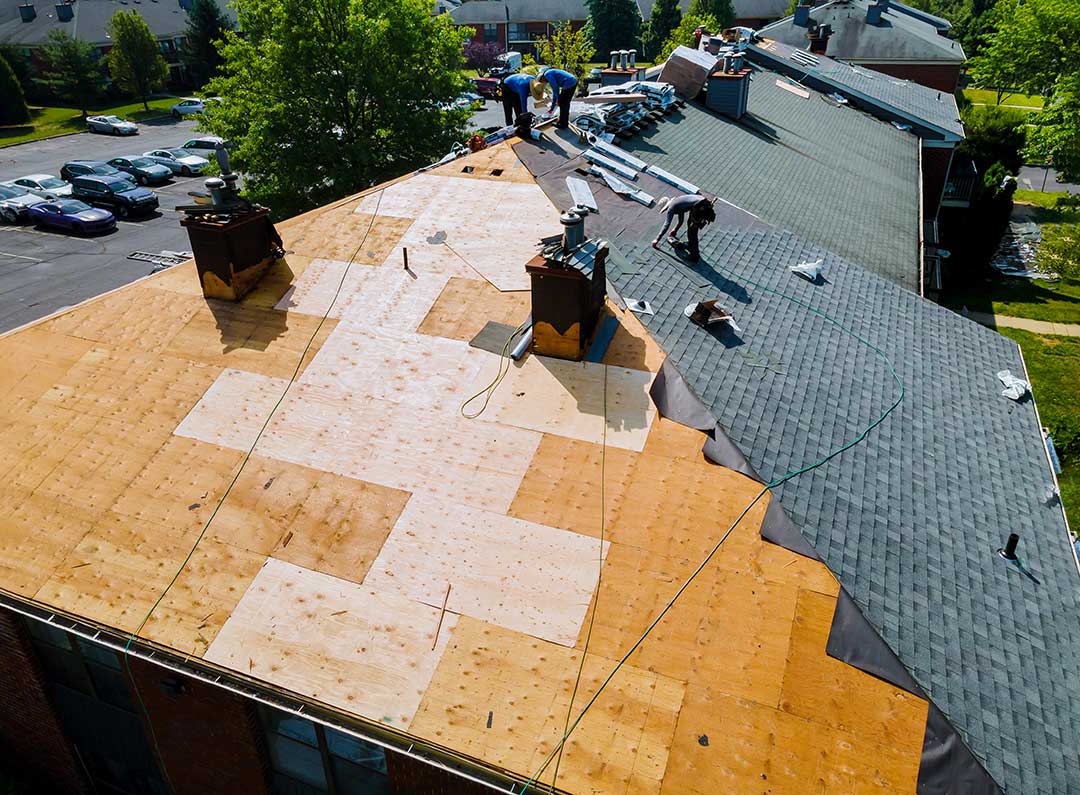
Is a dented or scuffed shingle always a leak?
No. A scuff or loss of surface granules does not automatically mean water is entering the home. However, it does mean the shingle has lost part of its protective surface and may weather faster.
A shingle can be damaged without being punctured. The impact may weaken the fiberglass mat, break the adhesive seal, or create a fracture that is difficult to see from the ground. Conversely, a dark mark may be only dirt or a harmless transfer from the ball.
The location of the damage matters. A defect near a roof edge, valley, flashing detail, or penetration presents more concern than a superficial mark in the middle of a sound shingle. Repeated impacts in the same area also deserve more attention than a single minor scuff.
Should someone inspect the roof from the ground or climb onto it?
A ground-level inspection is the safest first step. Binoculars or a camera with a zoom lens can help identify missing shingles, unusual marks, or visible deformation without requiring roof access.
Climbing onto a roof is hazardous, particularly when shingles are wet, icy, steep, loose, or covered with moss. Ladders can also shift on uneven ground or slippery surfaces. In winter and early spring, freeze-thaw conditions may leave roof surfaces more fragile and walkways less stable.
If water is actively entering the home, if electrical equipment may be wet, or if a large area appears damaged, limit access to the affected area and treat the situation as a safety concern. Electrical hazards and structural damage should not be investigated by walking across the roof.
What should be done after a ball hits the roof?
First, note the approximate time, location, and type of impact. Take photographs from the ground and check the attic and upper ceilings for signs of moisture. If rain is expected, place a container under an active interior drip and move belongings away from the area.
Avoid pulling off loose shingles or applying household sealants as a temporary repair. Improperly placed materials can trap water, interfere with drainage, or make later evaluation more difficult. A roof surface may also contain hidden damage that is not visible from ground level.
For a minor mark with no signs of leakage, continued observation after the next few rain events may reveal whether the condition changes. Damage involving missing shingles, exposed underlayment, cracked flashing, damaged vents, or interior moisture should be evaluated by a qualified roofing professional because the source may be difficult to identify safely from the ground.
How can sports-related roof damage be prevented?
The simplest prevention method is to position play areas so that balls are less likely to travel toward the house. Ground-level goals and backboards should face away from roof slopes and roof edges whenever space allows.
Other practical steps include:
- Establishing a no-throw zone near the house
- Using softer practice balls in confined yards
- Keeping hard-ball games farther from rooflines and windows
- Installing netting only where it is securely supported and safely positioned
- Teaching children not to retrieve balls by climbing onto roofs
- Checking gutters and roof edges after a ball repeatedly lands near them
Prevention is especially useful for older roofs, roofs with brittle shingles, and homes where a roof section sits close to an active play area. A ball may not create immediate leakage, but repeated impacts can shorten the service life of vulnerable materials and turn a small defect into a larger water-intrusion problem.
