
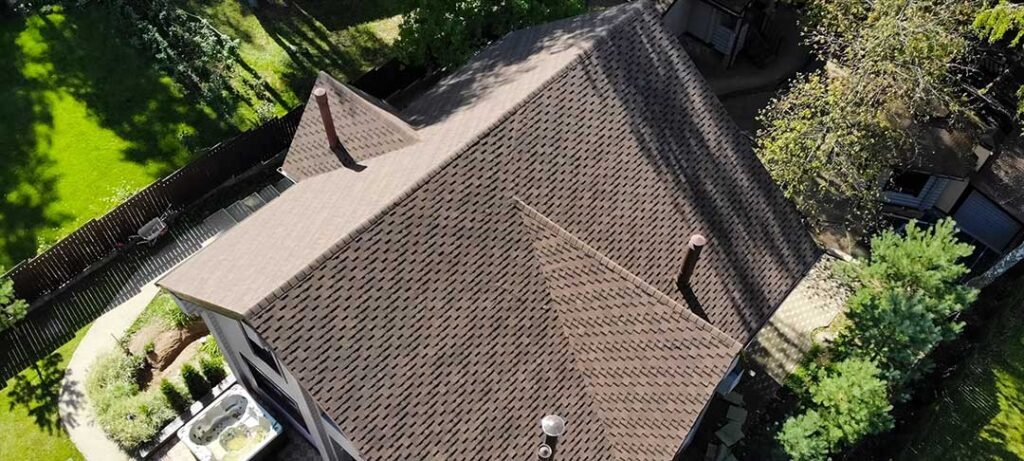
Why does roof ventilation matter in Greene, NY?
Proper roof ventilation helps control heat and moisture in the attic. A balanced system allows outside air to enter through lower intake vents and leave through higher exhaust vents, reducing the conditions that can damage roofing materials, insulation, framing, and indoor comfort.
Homes in Greene experience cold winters, warm summers, changing humidity, snow, ice, and periods of heavy rain. These seasonal shifts place repeated demands on a roof assembly. Ventilation does not prevent every roofing problem, but it can reduce heat buildup, condensation, and moisture-related deterioration when it is designed and installed correctly.
A roof ventilation system usually includes:
- Intake vents near the roof edge, often through soffits or eaves
- Exhaust vents near the ridge or another high point
- Clear air channels that allow air to move above the insulation
- Adequate insulation and air sealing between the home and attic
The goal is not simply to add as many vents as possible. The goal is to create controlled airflow through the entire attic space.
How does ventilation protect a roof during winter?
Winter ventilation helps limit condensation and reduces uneven roof temperatures. Warm air from the living space naturally rises. If that air reaches a cold attic surface, it can turn into moisture, much like water forming on a cold window.
Common sources of attic moisture include:
- Gaps around recessed lights, plumbing pipes, chimneys, and wiring
- Poorly sealed attic hatches
- Bathroom or kitchen exhaust fans venting into the attic
- Warm air leaking through thin or missing insulation
- Clothes dryers or other appliances improperly vented indoors
Ventilation alone cannot correct all of these problems. Air sealing is equally important because the best ventilation system still has to deal with moisture entering the attic from below.
During freezing weather, uneven roof temperatures can also contribute to ice dams. An ice dam forms when heat escapes into the roof area, melts snow higher on the roof, and the water refreezes near colder eaves. Ventilation, insulation, and air sealing work together to reduce the temperature difference that encourages this cycle.
Can roof ventilation reduce summer heat?
Yes. Roof ventilation can remove some of the hot air that accumulates beneath the roof surface during sunny weather. This may help keep attic temperatures lower and reduce heat transfer into upper rooms.
A poorly ventilated attic can become substantially hotter than the outdoor air. Over time, repeated heat exposure may accelerate aging of roofing materials, dry out some building components, and make cooling systems work harder. Ventilation is not a substitute for adequate insulation, shade, or efficient air conditioning, but it is part of a properly managed roof system.
The benefit is greatest when intake and exhaust vents are balanced. An exhaust vent without enough intake air may draw air from unintended locations, including gaps around ceiling fixtures or other openings between the house and attic.
What does balanced ventilation mean?
Balanced ventilation means the attic has enough low intake area and high exhaust area for air to move naturally. Intake air enters near the eaves, warms as it passes through the attic, and exits at or near the roof peak.
This arrangement uses the natural movement of warm air. Exhaust openings placed low on a roof may not perform as effectively because warm air rises. Likewise, a ridge exhaust vent may not work properly if insulation blocks the soffit-to-ridge air channel.
A ventilation system should be evaluated as a complete path rather than as a collection of individual vents. Important questions include:
- Are intake vents present along the available eaves?
- Are soffit vents blocked by insulation or debris?
- Does each roof section have a clear airflow route?
- Are exhaust vents installed at suitable high points?
- Are gable, ridge, turbine, or powered vents working together or competing with one another?
More exhaust capacity is not automatically better. Poorly balanced systems can pull conditioned air from the home, disturb attic pressure, or leave sections of the roof with little airflow.
What are signs of inadequate attic ventilation?
Some warning signs are easy to see, while others appear gradually. Possible indicators include:
- Condensation, frost, or water staining on the underside of the roof deck
- Damp or compressed attic insulation
- Musty odors in the upper levels of the home
- Mold-like growth on wood surfaces
- Rust around fasteners, vents, or metal components
- Peeling paint or moisture damage near ceilings
- Excessive heat in upstairs rooms during summer
- Roof shingles that appear to age unevenly
- Recurring ice dams along the eaves
These symptoms can have several causes, including plumbing leaks, roof leaks, inadequate insulation, or indoor humidity. Ventilation should not be assumed to be the only explanation. A careful inspection should distinguish between moisture entering from outside and condensation forming inside the attic.
Do ridge vents work without soffit vents?
Usually, a ridge vent needs a dependable intake source to work as intended. If the soffits are sealed, blocked, or absent, the ridge vent may have little replacement air to draw through the attic.
In some homes, intake air may come through gable vents or specially designed lower roof vents. However, each roof design is different. Additions, dormers, vaulted ceilings, enclosed soffits, and multiple attic compartments can interrupt airflow.
A common mistake is installing an exhaust vent while overlooking blocked intake vents. Another is covering soffit vents with insulation. Baffles or rafter vents can help preserve a clear channel from the eave into the attic, but they must be installed continuously and appropriately for the roof structure.
Is powered attic ventilation always helpful?
No. Powered fans can move air, but they may also create unintended problems if the attic is not properly sealed and supplied with intake air. A fan may draw conditioned household air through ceiling gaps, increasing energy loss and bringing additional moisture into the attic.
Powered equipment also requires electrical safety considerations and ongoing maintenance. In many residential roof designs, a well-balanced passive system using intake and high exhaust vents is sufficient. The right approach depends on the roof shape, attic configuration, insulation, and existing moisture conditions.
How does insulation relate to ventilation?
Insulation and ventilation perform different jobs. Insulation slows heat transfer, while ventilation manages air movement and moisture near the roof deck. Neither can fully replace the other.
Insulation should be installed in a way that does not block the airflow path at the eaves. Air leaks from the living space should be sealed before additional insulation is added, particularly around penetrations for wiring, plumbing, ducts, and lighting.
Attic ventilation also cannot compensate for wet insulation or an active roof leak. Moist materials lose effectiveness and may contribute to wood deterioration or indoor air quality concerns. The source of moisture must be identified and corrected.
What should Greene homeowners check seasonally?
A basic visual check can identify conditions that deserve closer attention. In spring and fall, residents can look for:
- Leaves, nests, or snow blocking exterior vents
- Damaged or missing soffit and roof vent covers
- Water stains or damp insulation in accessible attic areas
- Bathroom fans that terminate outside rather than in the attic
- Air channels blocked by insulation
- Signs of insects, rodents, or birds entering through vents
Roof access can be hazardous, especially during wet, icy, or windy conditions. Attic inspections also require caution around electrical wiring, unstable decking, nails, and limited ventilation. Conditions involving structural damage, active leaks, electrical hazards, or suspected mold may require qualified evaluation for safety reasons.
Good roof ventilation is a coordinated part of the building envelope. In a climate with cold winters, summer heat, snow, and changing humidity, the most reliable results come from combining clear intake paths, high exhaust points, adequate insulation, careful air sealing, and regular observation of attic conditions.
